
Reviewed · 3-HOUR EXPERIENCES
Kiruna: 3 hours city tour with guide
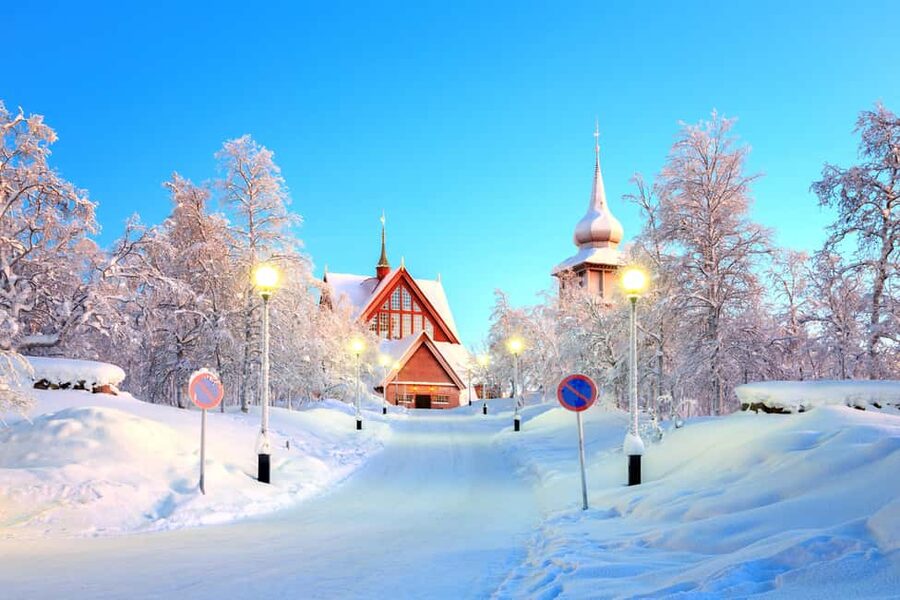
Kiruna’s relocation story is built into the streets. This 3-hour Kiruna city tour explains why the town shifted for mining, and how that big change shaped daily life. You get a guided loop through old and new Kiruna, then head toward Jukkasjärvi Church to understand what moved, what stayed, and what it meant for the people.
I really liked two things. First, our guide, Lena, made the history feel practical, especially the role of Hjalmar Lundbohm and the idea of a model society tied to the mining industry. Second, the tour connects the mining-driven relocation with cultural identity, including Sámi and Tornedalian heritage, so Kiruna feels like a living Arctic community, not just a “before and after” map.
One drawback to plan around: you cannot visit inside Kiruna’s church, and restoration after the move means the church reopening is scheduled for 2027. That said, you still learn about the relocation and the church’s story, just from the outside and through interpretation.
In This Review
- Key highlights you will actually care about
- Kiruna relocation, explained like it matters
- 3 hours, old and new Kiruna, plus real city context
- Hjalmar Lundbohm and the model society idea
- The mining-and-land story, tied to peoples and place
- Jukkasjärvi Church, relocation context, and what you can see
- Cultural heritage beyond the mining headline
- What transport and timing feel like on the ground
- Price and value, is $43 worth it
- Who this Kiruna tour fits best
- What to do before and after your tour
- Should you book this Kiruna 3-hour tour?
Key highlights you will actually care about
- A tight 3-hour format that hits the core story of Kiruna’s move without eating your whole day
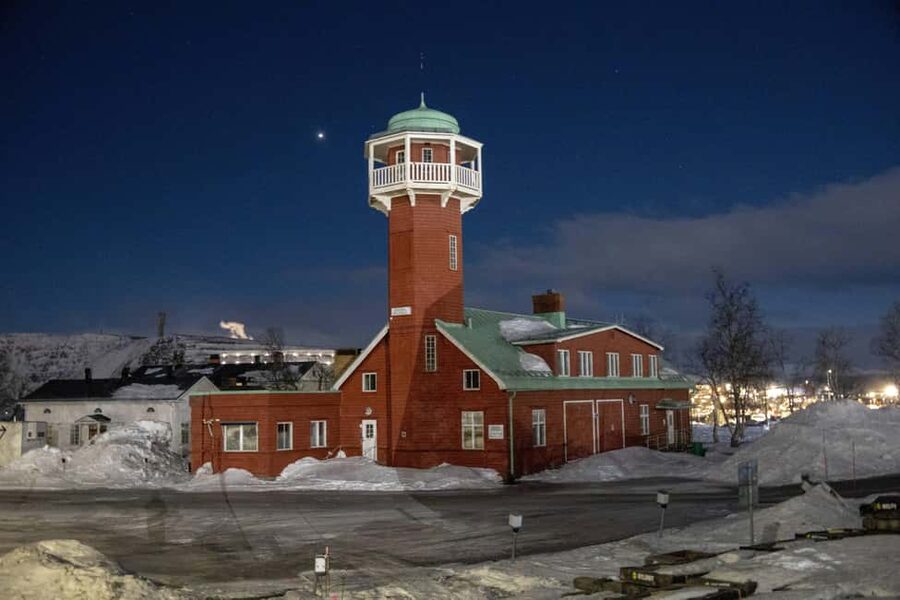
- Old Kiruna and new Kiruna city-centre viewpoints, explained in plain language
- Hjalmar Lundbohm’s vision and how mining shaped community design
- Sámi and Tornedalian heritage in the narrative, not tacked on at the end
- Comfortable bus transport with time to stop at key landmarks
- Jukkasjärvi Church context, with the important note that interior access is closed until 2027
Kiruna relocation, explained like it matters
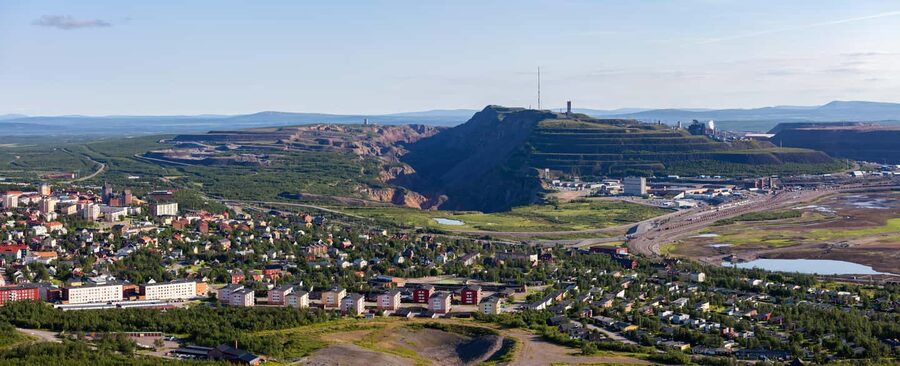
Kiruna is famous for moving. Not in a vague “the town changed” way, but in a real, documented shift driven by mining. This tour helps you understand the logic and the human cost behind that relocation, which is what makes it more than sightseeing.
You will start with the big picture: Kiruna’s connection to the mines, and how the people living there shaped, and were shaped by, that industry. Then you get the middle layer, where the story turns from an abstract economic fact into places, buildings, and community choices. That is where I think this tour earns its value, because you leave knowing why certain views and locations feel different from each other, even if you are not a local historian.
The guide also keeps the story anchored to people and culture. You learn how the city’s identity ties to Sámi presence and Tornedalian heritage, so it is not only about LKAB and infrastructure. You walk away with a sense that relocation is also about belonging and continuity, not just construction.
More City Sightseeing in Kiruna:
3 hours, old and new Kiruna, plus real city context
The experience is built around a short time window: 3 hours. That matters because Kiruna is spread out, and Arctic weather can be unpredictable. A guided bus format lets you cover more ground without turning your day into a logistics puzzle.
Within that timeframe, the emphasis is on old and new Kiruna city centre. You will see how the built environment changes, and you will hear why those changes happened. The practical win here is interpretation. Lots of towns have history signs. Kiruna has moving parts, literally. A guide turns what you see into a cause-and-effect story.
You will also get time to stop at important landmarks along the way. The tour does not claim to be every corner of the city. Instead, it focuses on the highlights that make the relocation story legible fast. If you like efficient orientation, this is the kind of tour that helps you get your bearings fast and then enjoy the rest of your trip on your own.
Hjalmar Lundbohm and the model society idea
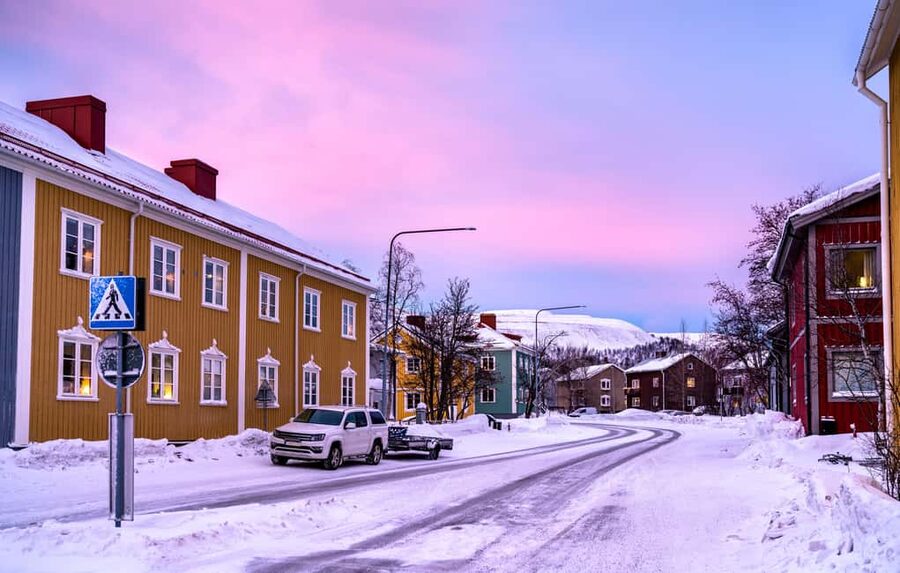
One of the standout parts of the tour is the attention to Kiruna’s founder, Hjalmar Lundbohm. You are not just told that he was involved. You learn his vision and the way it shaped how Kiruna was built and managed.
This is where mining history becomes more interesting than you might expect. Kiruna did not just grow around extraction. It was planned with an eye to organizing community life around industry. That is what the tour means when it talks about a model society. You hear how the leadership mindset translated into real-world decisions, from the structure of the community to the way institutions were treated.
I like this angle because it helps you avoid a common trap with mining towns. Without context, you can end up seeing only the machinery side. With the Lundbohm story, you can see how the mining era created a whole social system, not just jobs and buildings.
If you enjoy cause-and-effect stories, you will probably find this section the most memorable. Even if you only remember a few names, the “why this town looks the way it does” part tends to stick.
The mining-and-land story, tied to peoples and place
The tour describes the history of the mines alongside the story of land and peoples. That phrasing is important. Kiruna’s relocation is not just about shifting structures on paper. It is about impact on the people living with those changes.
As you travel, you will hear how the mines connect to the need to move, and how the Arctic setting adds complexity. This helps you understand why relocation is not a simple modern project. It is a long-term, community-level transformation happening in a harsh climate and far north.
The guide also connects this to cultural identity. You will learn how Sámi and Tornedalian heritage shaped Kiruna’s identity. The effect is subtle but powerful: it changes how you read the city. Instead of thinking only about “industry created the town,” you start thinking “many cultural threads survived and adapted through change.”
That is a different way to visit. It turns a city tour into a cultural read of the region.
Jukkasjärvi Church, relocation context, and what you can see
The tour includes learning about the church and how it was relocated to the new city centre. You will hear the story and understand why it is part of the broader relocation narrative.
The key limitation is very clear: you cannot visit inside the church because it is closed for restoration after the move. The reopening is planned for 2027. For me, that is the kind of detail that can make or break your expectations, so it is worth saying plainly.
Still, you will get value even without interior access. Hearing about the church’s relocation is part of understanding what relocation means for community anchors like worship spaces. Even from outside, the situation makes sense when you have the explanation. You start to see the church not as a standalone building, but as a symbol of continuity through upheaval.
So if your goal is photography of the area and the story of the move, you should be happy. If your goal is interior church viewing, adjust your plan now rather than feeling disappointed later.
A few more Kiruna outings to weigh up
- Kiruna Northern Lights Tour with Photographer
★ 5.0 · 735 reviews - From Kiruna: Abisko National Park Northern Lights Tour
★ 4.4 · 462 reviews - Kiruna: Northern Lights Tour with Photos
★ 4.9 · 333 reviews
Cultural heritage beyond the mining headline
Kiruna can easily be reduced to a single theme: the mines moved the town. This tour does not ignore that, but it refuses to stop there. It gives the mining-driven relocation, and then it asks a harder question: who are the people in this region, and how did their heritage shape Kiruna?
You spend time learning about Sámi heritage and Tornedalian heritage, and how those cultural influences shaped the identity of Kiruna. That matters because Kiruna is not a museum of Arctic history. It is a current place where multiple cultural influences are part of daily life.
I also liked the way the guide communicates cultural connections while still keeping the tour focused. You are not dragged through a long lecture. You get guided storytelling that fits the time, and you get enough context to recognize patterns when you walk around later.
If you want a city tour that treats culture as part of the explanation, not as a side note, this one fits well.
What transport and timing feel like on the ground
This is a bus-based tour with a professional driver and an English-speaking professional guide. The practical effect is that you spend less energy figuring out where to go next and more energy paying attention to what you learn.
The pace is built for a 3-hour visit. That means you are moving between points, stopping at highlights, and hearing context while you go. In winter, that matters even more. It can be cold, and wind can change your plans quickly. A bus tour helps you stay comfortable while still getting the story.
You should also note a couple of comfort and movement considerations. The tour is not suitable for people with mobility impairments or wheelchair users, and it does not allow pets, baby strollers, non-folding wheelchairs, or non-folding strollers. If your needs are flexible and you can handle getting in and out of the vehicle comfortably, you should be fine. If not, I’d look for another option that is explicitly designed for accessibility.
Price and value, is $43 worth it
At $43 per person for a 3-hour guided city tour, the price sits in the “worth it if you want clarity” category. For me, value here comes from interpretation and structure.
You are paying for three things that are hard to replicate on your own in a short time: a focused route, a guide who explains the relocation and cultural context, and transport that saves time. Kiruna’s relocation story is not obvious just by walking around, especially if you only have a few hours and you want more than surface-level facts.
If you are the type of visitor who enjoys reading history, you could do research on your own. But if you want the fast, guided version that connects mining, community planning, and cultural heritage, this tour is a sensible deal.
My advice: treat it like orientation plus meaning. If your goal is to understand Kiruna quickly and then explore with better context afterward, the cost makes sense. If you are only looking for a casual stroll with no interest in the story, you might find it less essential.
Who this Kiruna tour fits best
This experience is a strong match if you want a structured introduction to Kiruna. It is especially good for you if:
- You have limited time and need an overview in 3 hours
- You care about why Kiruna was relocated, not just that it was relocated
- You want the Hjalmar Lundbohm and mining context explained in plain language
- You want cultural context, including Sámi and Tornedalian heritage
- You prefer bus-based stops rather than long self-guided walking in cold weather
It is not the best fit if you strongly want to enter the church interior, since access is closed until 2027. It is also a poor match if you have mobility needs not suited to the stated limitations.
What to do before and after your tour
Before you go, I’d do one small prep step: decide what you want to remember. For many people, it is the relocation reasons, who drove the plan, and how culture fits into the story. If you go with those goals in mind, you will get more from every stop.
After the tour, use what you learned as a lens. When you walk around Kiruna or head toward Jukkasjärvi, you will start to notice the difference between buildings that are only old and buildings that are part of the relocation narrative. That shift in perspective is, in my view, the real souvenir.
If you are staying in Kiruna for more than a day, the tour can also help you choose what to see next. The guide gives you enough context to decide where you want extra time on your own.
Should you book this Kiruna 3-hour tour?
Book it if you want a fast, guided way to understand Kiruna’s relocation, the role of mining and leadership, and how cultural heritage shaped local identity. It is especially worth it when you value interpretation more than just checking off sights.
Skip it or consider an alternative if you need church interior access during your trip, or if accessibility requirements make a bus tour challenging for you. And if you hate guided history and prefer purely independent wandering, you may find the format too structured.
For most visitors, though, this is a practical first tour in Kiruna. You leave with the story straight, and that makes the rest of your Arctic days feel a lot more meaningful.
New on the Kiruna pages
- Kiruna’s Romantic Trail: A Journey Through Love and Legacy★ 5.0 · 1 review
- Kiruna: Northern Lights Horseback Ride with Dinner★ 5.0 · 1 review
- Kiruna: Aurora Husky Overnight Adventure★ 5.0 · 1 review
- Kiruna Guided Daytime Snowshoe Hike★ 5.0 · 1 review
- Kiruna Private Transfer from Kiruna (KNR) airport to central Kiruna★ 5.0 · 1 review
- Kiruna Walking Tour with Kin Museum★ 5.0 · 1 review
- One-Night Aurora Photo Adventure, Borealis Lights Lapland★ 5.0 · 1 review
3-Hour Experiences, compared.
Best of Stockholm Walking Tour-3 Hours, Small Group max 10 people
Read our review →
Classic Stockholm Small Group Walking Tour | 3 Hours
Read our review →
Stockholm Must See – Old Town, boat + Vasa Museum 3h small group
Read our review →
Private Tour: 3h Viking History from Stockholm to Runic Kingdom
Read our review →
Stockholm Syndrome: 3-Hour Private Walking Tour
Read our review →Browse the lists this tour appears in