Reviewed · TICKETS
Stockholm: Nordiska Museet Entry Ticket
Nordic life, told through real objects. Nordiska Museet is one of the best Stockholm stops if you like culture explained through things people actually used, wore, and built.
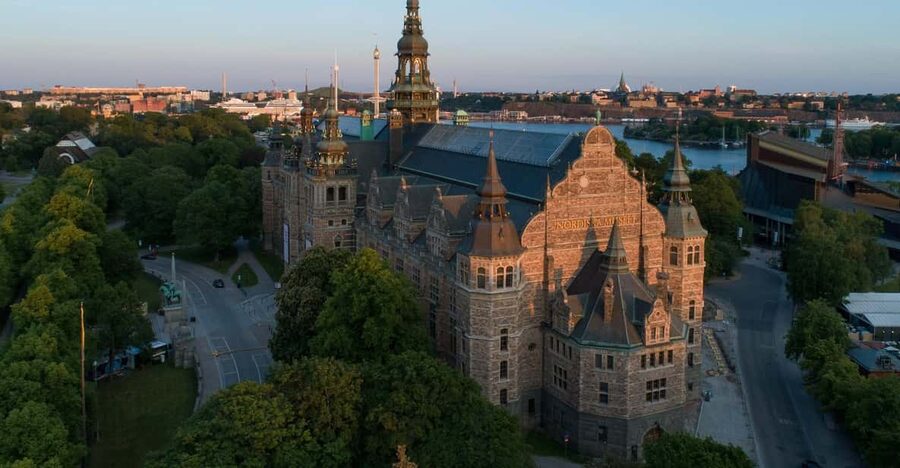
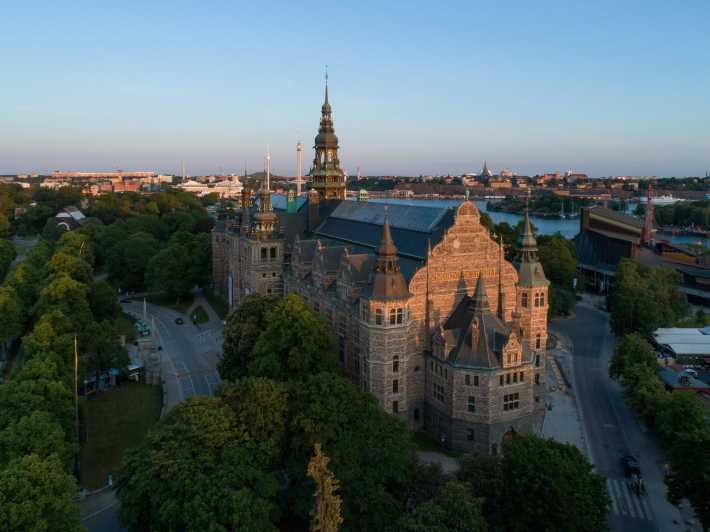
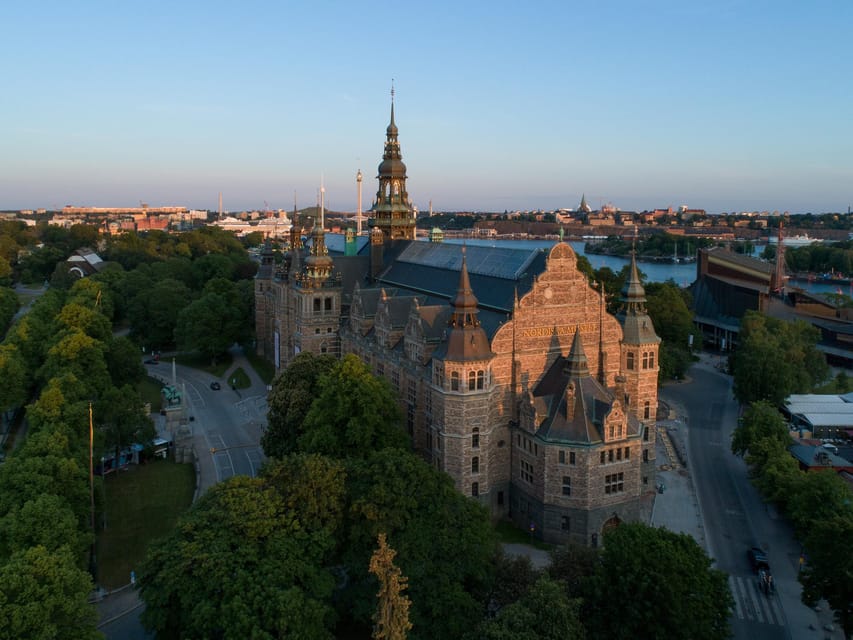
I especially liked the Nordic Life main exhibition, which connects daily life to nature, climate, families, homes, and beliefs, from the 16th century to today. I also enjoyed the setting, the iconic museum building in Royal Djurgården, which makes the visit feel like part of the city and not just a room full of displays.
One thing to consider: you need to plan around a cash-free museum and the fact that you cannot bring food, drinks, or oversize luggage inside. That is easy to handle, but it matters for comfort if you are arriving with a big daypack.
In This Review
- Key things to know before you go
- Why Nordiska Museet feels different in Stockholm
- The Nordic Life exhibition: your main thread from the 1500s to now
- A smart add-on: the phone guide in Nordic Life
- The Arctic and why climate stories belong in a museum
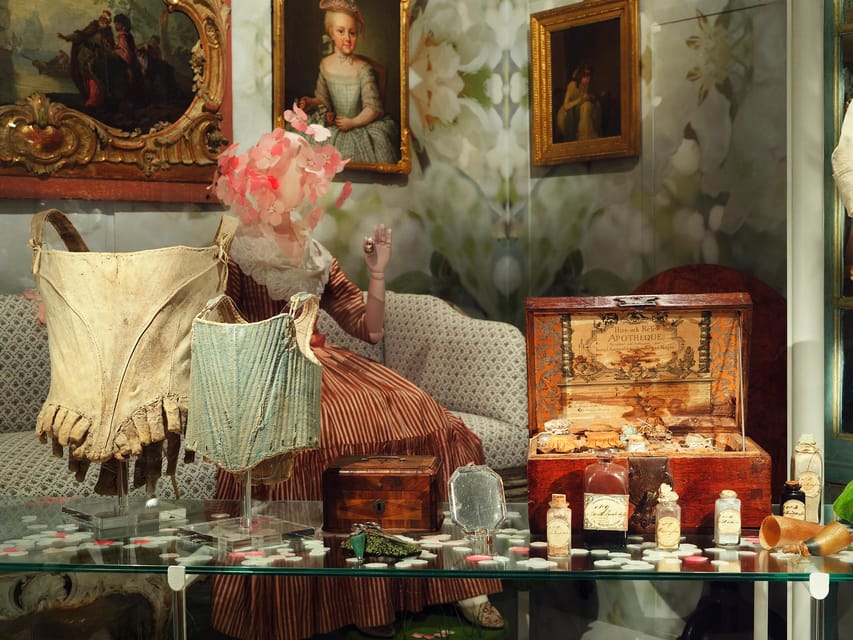
- Table Settings: five centuries of feasts, plus British influences
- Ever so Nordic fashion and lifestyle, with British patterns
- The 1940s Flat and Dollhouses: home life as history
- The 1940s Flat, a home from 1947
- Dollhouses with eight miniature homes
- How to use the audioguide and your own headphones
- Stroll, pause, then eat: shop and fika in the museum
- The restaurant
- The museum shop
- Price and value: is $19 per person a good deal?
- Tickets, entry point, and what you are allowed to bring
- Planning a smooth one-day route at Nordiska Museet
- Start with Nordic Life first
- Then move into The Arctic and Table Settings
- Add the home-life displays when you want a mental reset
- Finish with shop and fika
- Small logistics you should not ignore (cash-free, headphones, and bags)
- Who this museum ticket suits best
- Should you book Nordiska Museet tickets?
Key things to know before you go
- Nordic Life is the anchor: one ticket gets you the museum’s biggest exhibition, plus extra topic displays.
- The Arctic and Table Settings are built around details: stories told through objects, not just big timelines.
- A home you can feel: the 1940s Flat recreates a place from 1947.
- Miniature lives, big scale: Dollhouses show eight homes in miniature.
- Swedish fika and lunch are on site: you can plan a calm break without leaving the grounds.
Why Nordiska Museet feels different in Stockholm
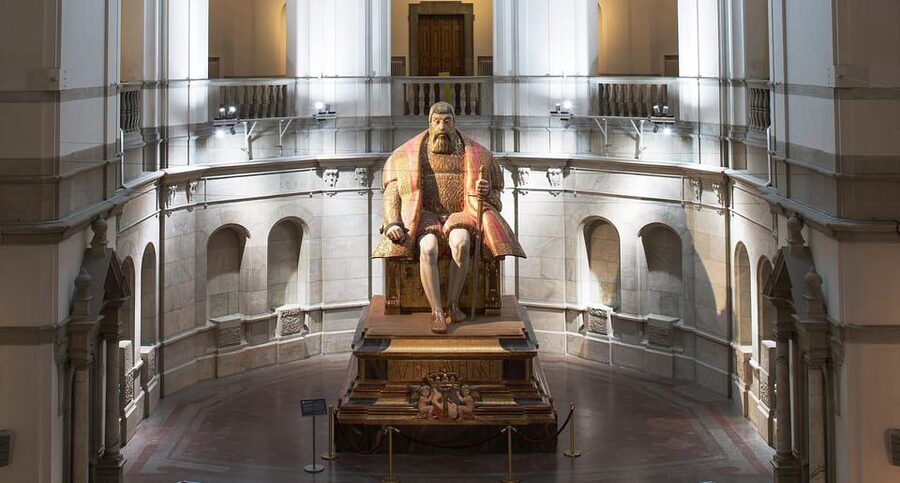
Nordiska Museet is not trying to wow you with gimmicks. It works the other way. It uses ordinary objects and domestic life to explain how people in Sweden and across the Nordic region lived, adapted, and believed.
That approach is one reason I think it lands well even if you are not a museum person. The museum gives you a practical entry point into history, everyday culture, and the relationship between people and their environment. Instead of feeling like you are reading a textbook, you are walking through themed spaces where the story keeps returning to what life looked like, and how it changed over time.
And the Royal Djurgården setting helps. The museum building is an attraction on its own, and it frames your time there. You get that rare combo of “museum visit” and “Stockholm outing,” which makes it easier to justify spending a full day rather than rushing in and out.
A few more Stockholm outings to weigh up

The Nordic Life exhibition: your main thread from the 1500s to now
Nordiska Museet’s core experience is Nordic Life, described as the largest exhibition in the museum. It is designed as a guided arc through time, starting in the 16th century and continuing to the present day, so your brain keeps a thread even as topics shift.
Here is what makes Nordic Life especially useful for planning your route. The exhibition does not just cover politics or famous figures. It keeps circling back to three big ideas:
- how nature and climate shape daily life
- how families and homes evolve
- what Nordic people believe and how that belief shows up in living
You can expect to see how the museum interprets the region through the lens of everyday life. That includes what nature means to people, how homes are imagined and arranged, and how culture changes when climate and surroundings change too.
A smart add-on: the phone guide in Nordic Life
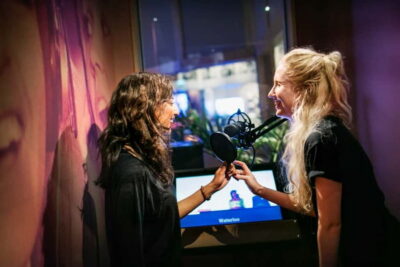
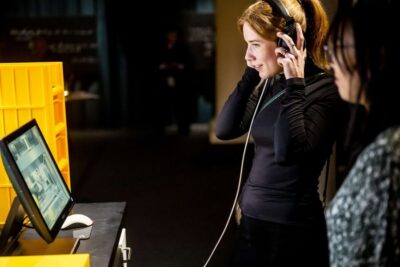
If you want to move at your own pace, use the phone guide for Nordic Life. You can read exhibition texts and screens directly on your phone at guide.nordiskamuseet.se. That is great when you are standing with your group, or when you prefer reading at your own speed instead of hovering for translations.
Also, you still have audio available, but the phone guide means you are not dependent on the audio format.
The Arctic and why climate stories belong in a museum
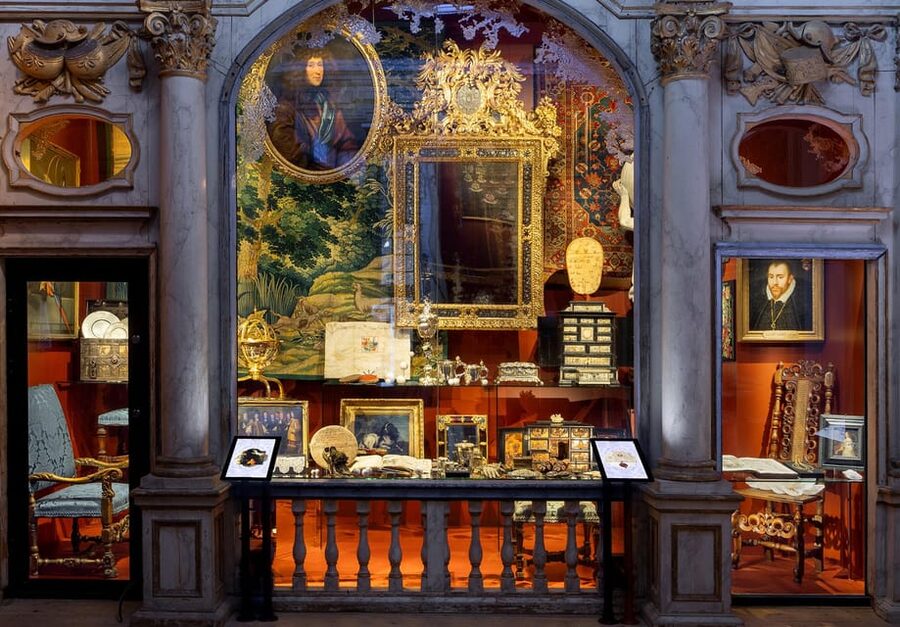
One of the stand-out topic areas included in your ticket is The Arctic. The key idea is right there: the ice is melting, and the Arctic is not treated like a distant postcard. It is presented as a living reality with consequences.
For me, what makes this worthwhile is the museum’s focus on meaning, not just scenery. Arctic themes connect back to the larger Nordic Life message: nature and climate are not backdrop. They actively shape daily life, beliefs, and how communities plan for the future.
If you are the type of traveler who likes your history grounded in real conditions, this is a good match. It is also an easy way to broaden the Swedish story beyond walls and furniture, into environment and change.
Table Settings: five centuries of feasts, plus British influences
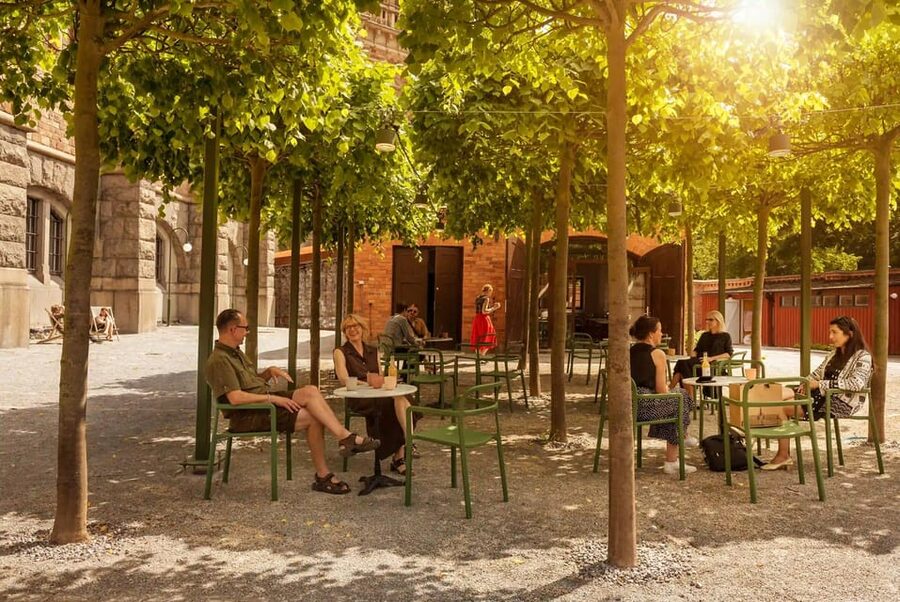
Next up, plan time for Table Settings. This exhibit is built around feasts across five centuries, with a British angle referenced in the display information.
Even if you think of food as a casual topic, museum food displays can be surprisingly revealing. Table Settings works because it turns meals into a window on culture, class, and social habits. It is the kind of exhibit that helps you understand why people ate the way they did, how dining rituals might signal identity, and how society organizes celebrations.
If you want a slower, reflective hour, this is a good place to do it. Spend time with the objects, not just the first label. Table Settings rewards readers who pause.
Same daylight, a different plan:
- Stockholm: Archipelago Boat Tour
★ 4.4 · 3,110 reviews - Stockholm: Paradox Museum Entry Ticket
★ 4.2 · 3,031 reviews - Stockholm: Highlights Boat Tour
★ 4.2 · 2,845 reviews
Ever so Nordic fashion and lifestyle, with British patterns
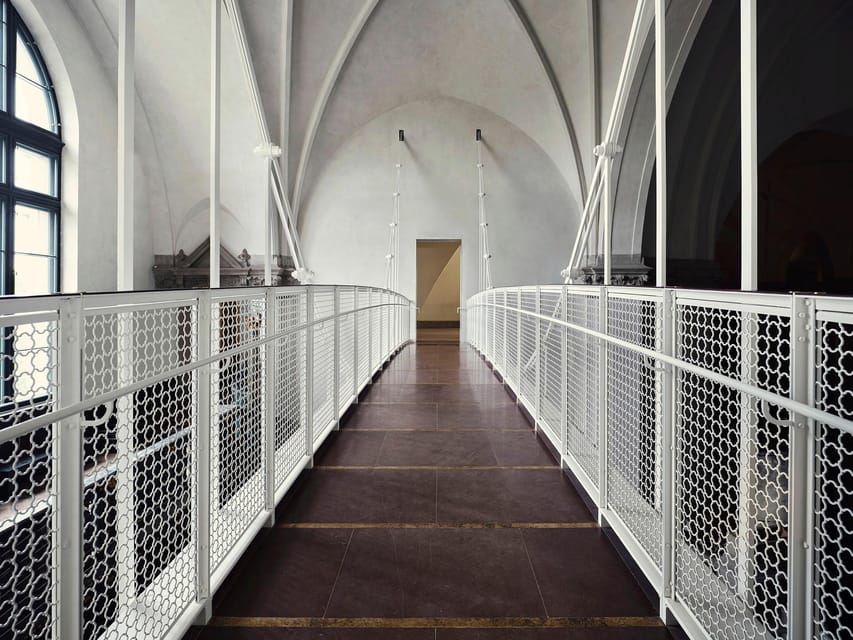
You can also look for Ever so Nordic, which focuses on Nordic fashion and lifestyle, with British patterns noted as part of the concept.
This is a nice contrast to more traditional “Sweden as tradition” museum moments. It hints at how styles circulate and influence each other. In other words, it helps you see Nordic identity as something that interacts with other cultures rather than existing in a sealed box.
If your travel style includes fashion, design, or the way daily routines show cultural values, this exhibit is a strong use of your ticket.
The 1940s Flat and Dollhouses: home life as history
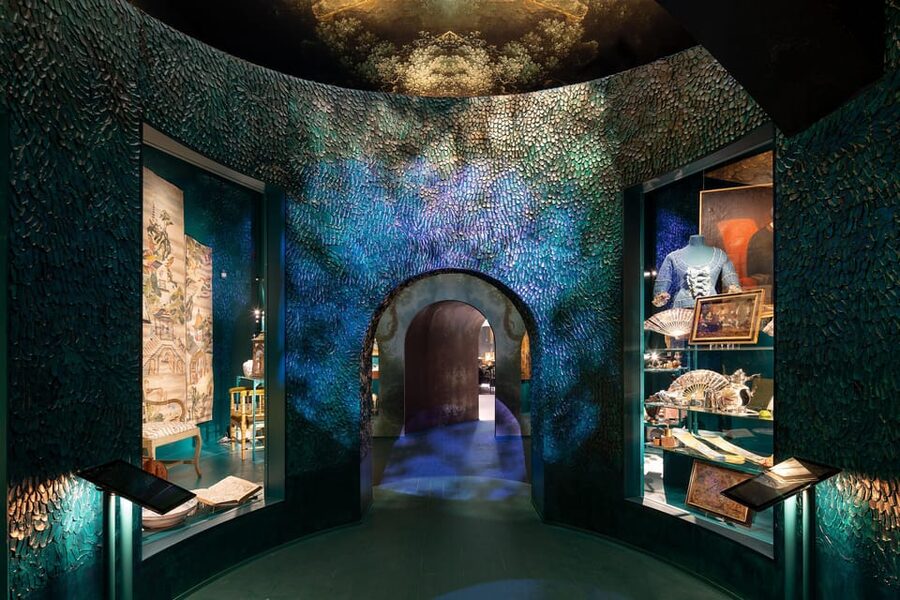
Two included areas help bring the story down to human scale.
The 1940s Flat, a home from 1947
The 1940s Flat is described as a home from 1947. These “room as story” displays are often the moments people remember, because you can picture yourself in them. Even without exact personal context, your brain naturally fills in details like what conversations might have sounded like, how people might have moved through rooms, and what daily routines could have looked like.
This type of exhibit also balances the time scale. After you’ve looked at long-term cultural themes like climate and beliefs, a recreated home makes the “past” feel tangible.
Dollhouses with eight miniature homes
Then there are Dollhouses, featuring eight homes in miniature. Miniatures can sound like a novelty, but they often do something valuable. They force you to look closely. You notice layout choices, objects, and how families might arrange space.
It is also a good exhibit for travelers who like variety. If you have been standing a lot, miniatures are a chance to slow down and focus on detail without needing to read a massive wall of text.
How to use the audioguide and your own headphones
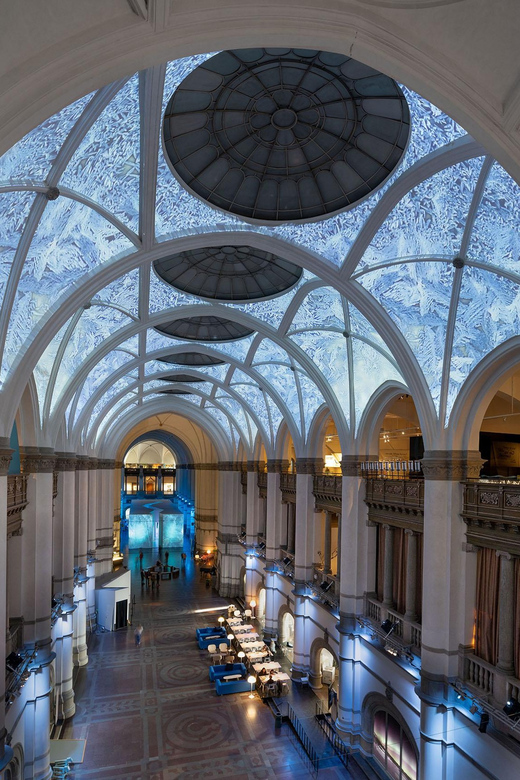
There is an audioguide available in Swedish and English, but it is only for selected exhibitions. The museum also notes that you should bring your own headphones.
This is not a small detail. If you forget headphones, it can cut into your enjoyment of the audio experience. If you prefer to read as you go, the phone guide for Nordic Life can still give you language support through text and screens.
Practical tip: if you travel with noise-canceling headphones, you will likely appreciate them here. Museums can be quiet, but there is often foot traffic and background sounds, and headphones help you control the experience.
Stroll, pause, then eat: shop and fika in the museum
A ticket here is one-day, which means you can plan your pace and add a meal without turning it into a full-day mission to “beat the clock.”
You have two on-site options to plan around:
The restaurant
The restaurant offers lunch courses every day, plus Swedish fika and drinks.
This matters for value. If you have ever tried to museum-hop in a foreign city, you know the trap: you leave to find lunch, lose time, and end up eating something that does not fit your schedule or budget. Having lunch on site makes it easier to keep your energy steady and keep the museum as the center of your day.
The museum shop
The museum shop sells everyday goods and crafts from the Nordic countries. This is a fun ending if you want something small, useful, and connected to what you saw.
Shop browsing also gives you an easy wrap-up. You can match items to exhibits in your head. It turns the trip into a memory you can take home, not just photos on your camera roll.
Price and value: is $19 per person a good deal?
At about $19 per person, the value depends on how you like to travel.
If you enjoy museums that use real objects and themed storytelling, this ticket looks like a strong deal. You get access to the museum, the largest exhibition Nordic Life, plus multiple topic areas (The Arctic, Table Settings, Ever so Nordic, the 1940s Flat, and Dollhouses). That is a lot for one entry ticket in a major Stockholm attraction.
Also, the museum is set up for self-paced exploration. You are not paying extra for a guided tour, and you can decide how deep you go in Nordic Life versus the topic exhibits.
One caution on value: because audio may require your own headphones and the museum is cash-free, you will want to show up prepared. It is not expensive preparation, but it avoids friction.
Tickets, entry point, and what you are allowed to bring
Your ticket gets you entry to Nordiska Museet. Entry is handled at the front desk, where you show your ticket to the entrance staff.
A few practical rules shape how you should pack:
- Oversize luggage is not allowed.
- Food and drinks are not allowed.
- Luggage or large bags are not allowed.
If you travel with a big suitcase or lots of shopping, rethink it for museum day. A smaller daypack is the safer move. Also, plan your meals for the restaurant or fika inside, since outside food is not permitted.
Planning a smooth one-day route at Nordiska Museet
Since the ticket is valid for 1 day, your biggest job is pacing. Here is a route that usually works well for people who want to see the major parts without rushing.
Start with Nordic Life first
Go early or mid-morning and focus on Nordic Life. It sets up the big themes, so the later exhibits make more sense. If you use the phone guide, this is also the easiest place to do it, because Nordic Life is explicitly tied to texts and screens you can read on your phone.
Then move into The Arctic and Table Settings
After you have the big frame, shift to topic exhibits. The Arctic gives you the climate angle, while Table Settings gives you culture through food and dining across centuries.
Add the home-life displays when you want a mental reset
The 1940s Flat and Dollhouses are more visual and spatial. They can reset your brain after theme-heavy reading.
Finish with shop and fika
End with time for lunch or fika and a slow browse in the museum shop. This is the part that turns “a museum” into “a Stockholm day.”
Small logistics you should not ignore (cash-free, headphones, and bags)
Nordiska Museet is cash-free. The museum shop and restaurant accept credit or debit card.
If you are the type who always brings some cash as backup, skip that instinct here. Bring your card.
Also, bring your own headphones for the audioguide. Even if you do not plan to use audio every time, having headphones ready means you are not stuck making choices in the moment.
And finally, keep your bag simple. The museum does not allow oversize luggage, food and drinks, or large bags, so travel light or plan what you can store elsewhere.
Who this museum ticket suits best
This ticket is a strong match if:
- you want a Nordic story told through daily life, not just a timeline
- you like exhibitions that use objects to explain culture
- you want a Stockholm activity that works for a full day
- you care about how climate and nature are treated as part of human history
It may feel less perfect if your ideal museum visit is mostly about famous artworks or a fast survey of events with minimal reading. Nordiska Museet is more about everyday life and context.
Should you book Nordiska Museet tickets?
I would book this ticket if you want a high value, self-paced day in Stockholm that covers Swedish and Nordic culture from the 16th century to today. Nordic Life is the key reason to go, and the added exhibits give you variety, The Arctic for climate-focused thinking, and the 1940s Flat and Dollhouses for home-life perspective.
If you like practical museums, clear themes, and exhibits that you can read while moving, this one is an easy yes. Just come ready with card payment and your own headphones, and keep your bag small so entry is smooth.
New on the Stockholm pages
- Stockholm Tour + Drottningholm Palace by VIP car PRIVATE Guide★ 5.0 · 1 review
- Discover Stockholm’s Christmas Market Magic with a Local★ 5.0 · 1 review
- First Class Airport Limousine Transfer: Arlanda Airport to Stockholm City★ 5.0 · 1 review
- Deluxe Stockholm Tour with Vasa Museum from Cruise Port★ 4.0 · 1 review
- Stockholm Shore Excursion from Cruise Port★ 5.0 · 1 review
- Stockholm Old Town Walking Tour + Archipelago Cruise★ 5.0 · 1 review
- Stockholm History Walking Tour★ 5.0 · 1 review
Tickets, compared.


Avicii Experience Skip-the-Line Entrance Ticket
Read our review →