
Reviewed · TICKETS
Stockholm: Nobel Prize Museum and Exhibition Entry Ticket
Peace and science in one compact stop. The Nobel Prize Museum in Stockholm’s Old Town turns big Nobel ideas into walkable stories through artifacts and videos, with a ticket that keeps things simple. I like that you get daily guided tours in English and Swedish included, and I also really enjoy how the exhibits mix audio, video, and physical objects so the history stays human-sized.
One thing to keep in mind: the museum is small, so it can feel tight and busy at peak times. If you plan to read every label and watch the videos, give yourself extra time, but if you want a quicker hit, you can still do it without stress.
In This Review
- Key things to notice before you go
- Nobel Peace Prize stories at Stortorget, Gamla Stan
- Tickets and value: why $18 feels fair here
- How the museum tour changes your visit
- Permanent exhibition: These things changed the world
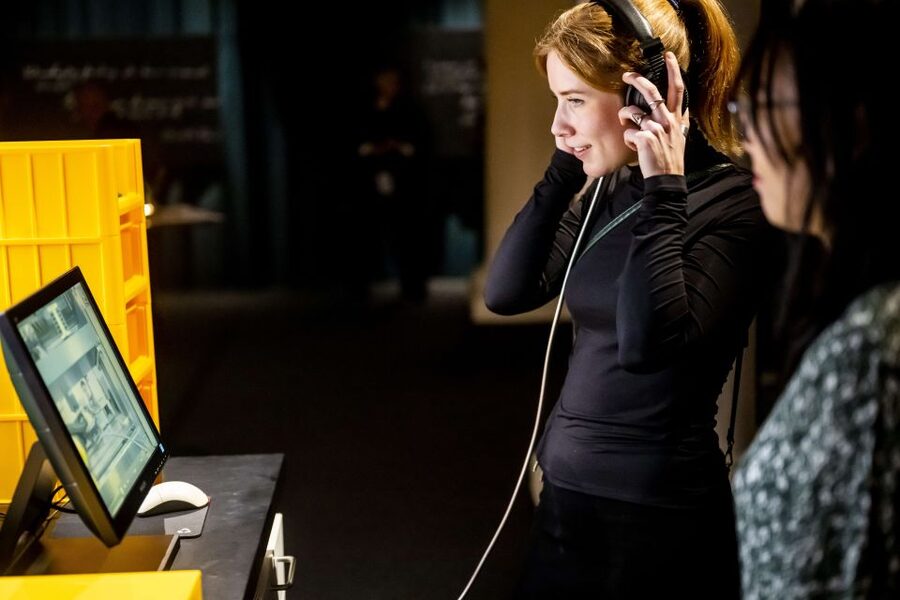
- Multimedia exhibits: audio stories, videos, and documentaries
- Temporary exhibitions: extra access that keeps your ticket fresh
- The Nobel Prize Museum shop and the chocolate medal moment
- Bistro Nobel, food breaks, and planning around closures
- What the museum feels like in real time (small, focused, and flexible)
- Who should book this Nobel Prize Museum ticket?
- Should you book? My practical take
- FAQ
- Where is the Nobel Prize Museum located?
- How much does the ticket cost?
- What does the ticket include?
- How long is the experience valid?
- What languages are available?
- Is food included?
- Is the museum wheelchair accessible?
Key things to notice before you go
- Stortorget, Gamla Stan location makes it easy to pair with your Old Town wandering
- Daily guided tours in English and Swedish are included in your ticket
- Over 200 Nobel laureate artifacts are highlighted in the permanent exhibit
- Multimedia audio and video stories bring many exhibits to life
- Temporary exhibitions access is part of your ticket, so you get more than just the basics
- Nobel chocolate medal shopping is real and very tempting in the museum shop
Nobel Peace Prize stories at Stortorget, Gamla Stan
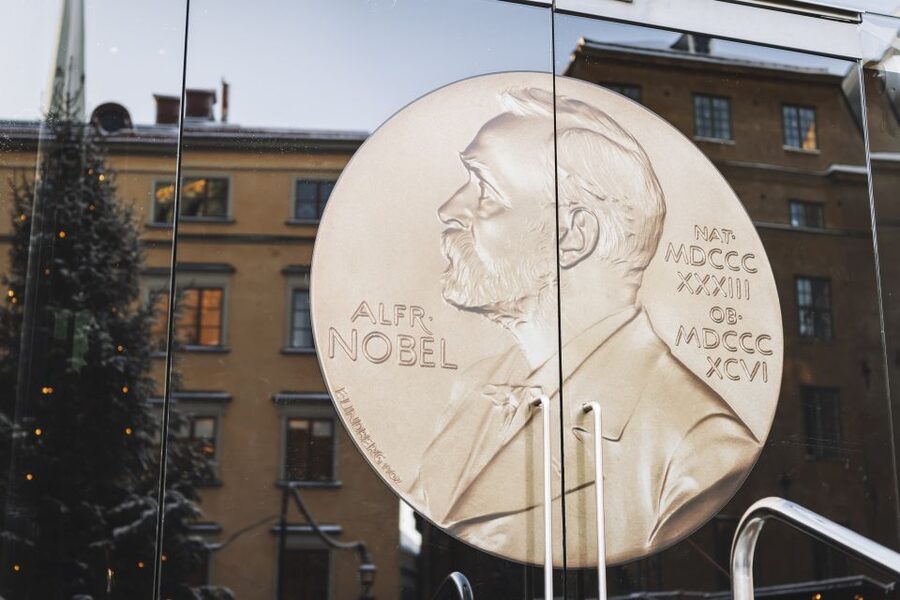
The Nobel Prize Museum sits right at Stortorget in Stockholm’s Old Town, so this isn’t one of those “take a bus and hope for the best” museum errands. You can drop in between walks around medieval streets, lingering at viewpoints, or ducking into smaller shops when the weather turns.
I love museums that are easy to reach, because you spend less time planning and more time actually looking. Here, you also get a clear focus from the start: Nobel Prize laureates, their work, and how their contributions connect to peace and human progress.
More museums worth an hour in Stockholm:

Tickets and value: why $18 feels fair here
At about $18 per person for a day entry, the value is mostly about what you receive, not just the door price. Your ticket includes entry plus access to a special exhibition and a museum tour. That combination matters because it helps you avoid the common museum trap of wandering without a good route.
The museum has a strong rating around 4.3 stars from close to 1,000 reviews, and that tracks with what the format is designed to do. You get a curated overview, then you can slow down for the exhibits that click for you, whether that’s science, literature, or peace activism.
How the museum tour changes your visit

Even if you love a self-guided museum day, I’d still treat the included museum tour as your backbone. The tour gives you a route through the museum’s core themes and helps you understand what you’re seeing, especially in a place like this where the context can make artifacts much more meaningful.
English-language tours run daily, and there are also tours in Swedish. In practice, it means you can choose a time that fits your day, then use the rest of your ticket hours to linger where you want. Some visitors specifically recommended signing up soon after arriving, because it makes the rest of the museum feel more connected.
If you enjoy hearing explanations in person, you’ll likely find that guides help connect the dots between the objects and the bigger Nobel story. One guide named Ella has been praised for excellent explanations in English, which is exactly what you want if you’re trying to make sense of complex topics in a short amount of time.
Permanent exhibition: These things changed the world
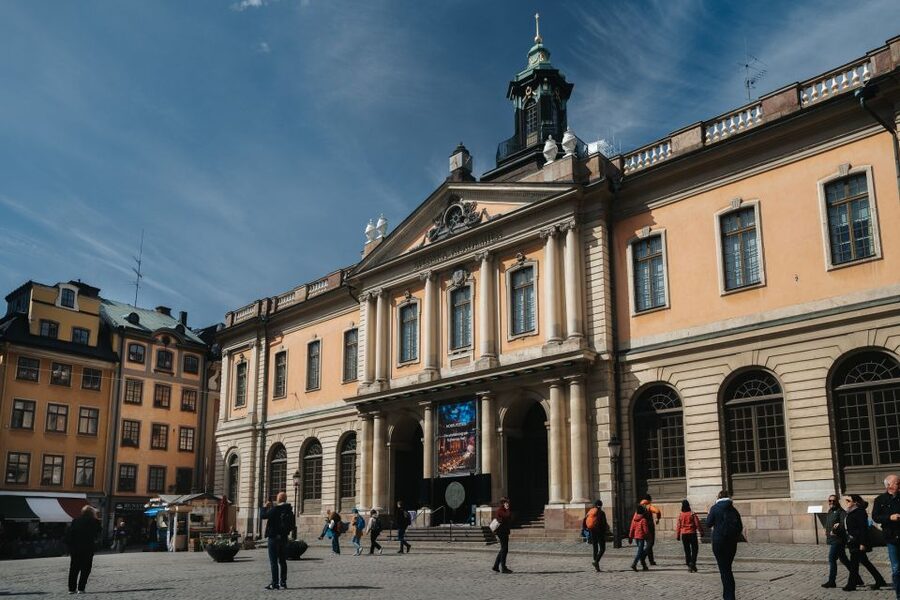
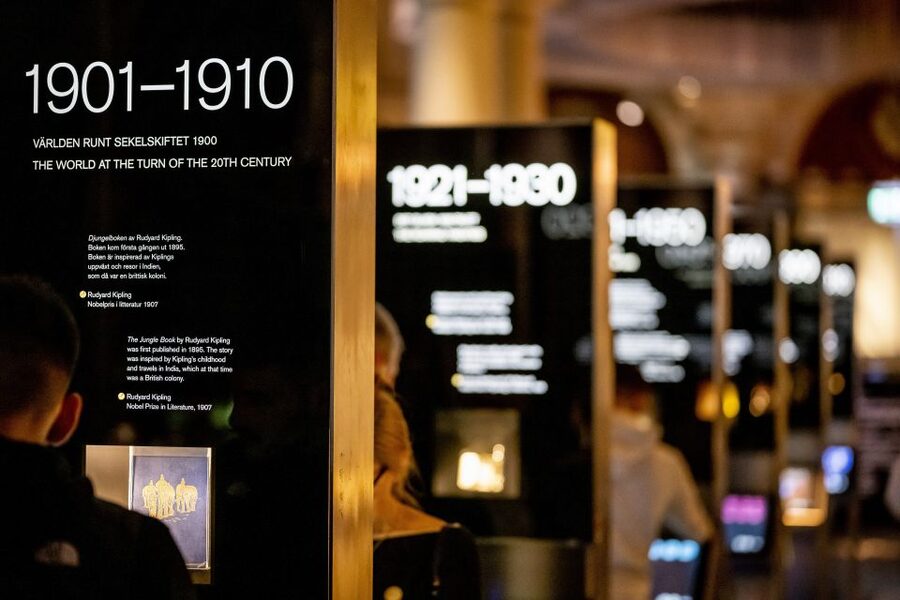
The heart of the museum is the permanent exhibition called These things changed the world. This is where you’ll find the museum’s strongest sense of scale: for the first time, it displays a large selection of items from its collection, with more than 200 artifacts spotlighted.
This matters because Nobel history can sound abstract, especially if you’re not used to reading about laureates beyond a quick name-and-year. The artifacts help translate that into something concrete. You’re seeing how discoveries, peace efforts, new ideas, and influential literature connect to real people and real moments.
The exhibit is organized in a way that works for both quick and longer visits. If you want a faster overview, you can skim and watch key media. If you love reading, plan time to go slower, since the details behind each item are part of the point.
Multimedia exhibits: audio stories, videos, and documentaries
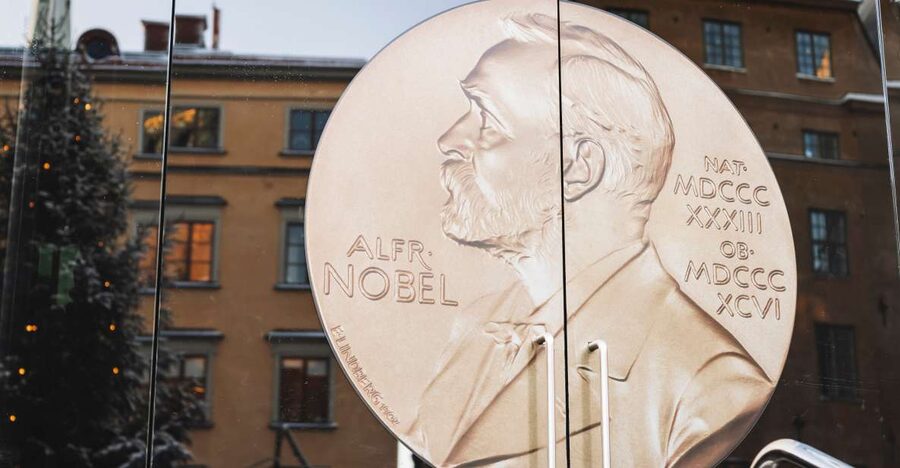
One of the most consistently praised parts of this museum is the multimedia. The exhibits use video and audio, plus descriptions that make it easier to understand what you’re looking at without needing outside knowledge.
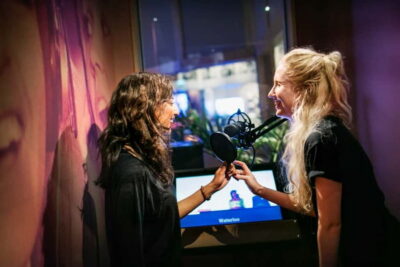
You’ll likely notice audio stories that accompany exhibits, and multiple visitors called out the value of those recordings. This is where the museum earns its time, because you’re not just staring at objects behind glass. The content is built to help you picture the laureate, the work, and why it mattered.
There are also documentaries and video displays throughout. If you’re the type who can’t resist “just one more screen,” give yourself room for it. If you’re trying to fit everything into a tight schedule, focus on the video stations that support the topics you care about most.
A few more Stockholm outings to weigh up
- Stockholm: City Archipelago Sightseeing Cruise with Guide
★ 4.3 · 10,798 reviews - Stockholm: Hop-On Hop-Off Bus or Boat Option
★ 4.0 · 3,260 reviews - Stockholm: Archipelago Boat Tour
★ 4.4 · 3,110 reviews
Temporary exhibitions: extra access that keeps your ticket fresh
Your ticket also includes access to a special or temporary exhibition, which is a great way to keep the visit from feeling one-note. Even if you’ve read about Nobel history before, temporary displays can shift the emphasis and help you encounter laureates and themes you might otherwise miss.
Because the temporary content can vary, I’d treat it like your flexibility zone. When you arrive, check what’s on view and decide how much energy you want to spend there. If you’re short on time, still make sure you catch at least the opening rooms of the special exhibition, since that’s where you’ll quickly get the theme.
The Nobel Prize Museum shop and the chocolate medal moment
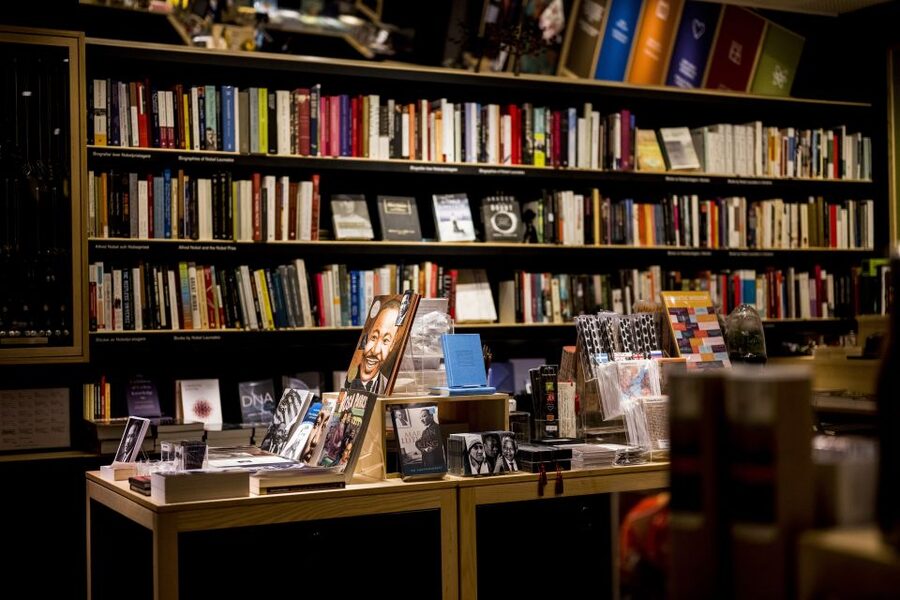
Yes, the museum shop is part of the experience, and yes, it’s a very tempting one. The shop carries the famous Nobel chocolate medal, which makes for a fun souvenir that matches the theme without being a random trinket.
I like shops like this when the item actually relates to the museum content. It feels like you’re leaving with a small, playful piece of Nobel culture instead of a souvenir that could’ve come from anywhere.
Bistro Nobel, food breaks, and planning around closures
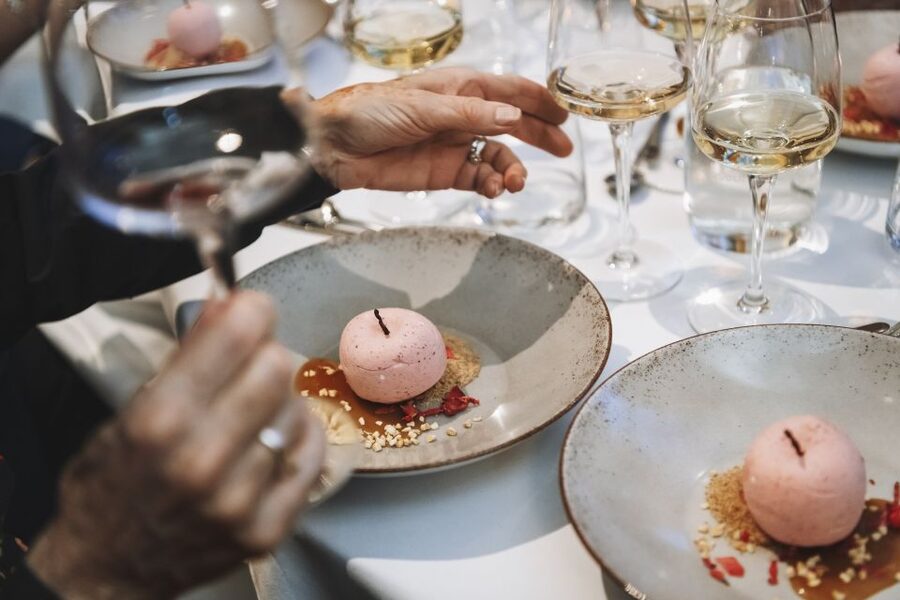
Food and drinks are not included in your ticket, so plan on grabbing a snack or meal elsewhere if you need one. There’s also Bistro Nobel, but it has been closed during spring restoration work after water damage.
Some recent visitors also reported that the restaurant had been closed for a while. So if you’re counting on a sit-down meal inside the museum complex, I’d plan for Plan B. The upside is that you’re in Gamla Stan, which means you’ll have plenty of nearby options for a break between exhibit rooms.
What the museum feels like in real time (small, focused, and flexible)
The museum’s size is a mixed bag, depending on how you like to travel. It’s compact, which makes it easy to fit into a busy Stockholm day. It also means crowding can happen, so if you dislike tight spaces, aim for earlier time slots if you can.
I like that the museum can flex with your energy level. You can do a short visit with a good overview, or you can take your time with audio, videos, and reading. Some visitors clocked it around one to two hours, and longer if you stop for more content like videos and artifact descriptions.
Who should book this Nobel Prize Museum ticket?
This is a strong choice if you want a focused, educational experience without a half-day of transit time. It works well for families, including teens, because the mix of multimedia and accessible themes helps keep attention. Visitors also specifically highlighted that the museum is inspiring for kids and young people who like stories tied to real achievements.
It’s also a great fit if you’re a peace-and-world-history person, or if you like science and literature but want them framed through the Nobel Prize lens. If you prefer purely hands-on museums, you might find it more “read and watch” than “build and touch,” but the artifacts provide that tangible element.
If you’re on a tight schedule, this is the kind of stop that lets you choose your depth. Start with the included tour for orientation, then pick the exhibits that match your curiosity.
Should you book? My practical take
I think this is worth booking if you want a high-value, central museum stop with a guided orientation and lots of multimedia storytelling. The ticket price makes sense because it includes more than entry, and the permanent exhibition plus temporary exhibition access gives you two layers of content.
I’d especially book it if you want an easier Stockholm plan. Stortorget in Gamla Stan is a convenient starting point, and your museum time can slot into a day of walking without feeling like a detour.
I’d hesitate only if you strongly dislike crowds and small spaces, or if you’re hoping for a huge multi-building museum. In that case, go early or treat it as a shorter, concentrated visit.
FAQ
Where is the Nobel Prize Museum located?
The museum is located at Stortorget in Stockholm Old Town (Gamla Stan).
How much does the ticket cost?
The price is listed as $18 per person.
What does the ticket include?
Your ticket includes entry, access to a special exhibition, and a museum tour.
How long is the experience valid?
The ticket is valid for 1 day, with starting times based on availability.
What languages are available?
Your ticket experience is in English, and the museum offers daily guided tours in English and Swedish (contact the entrance staff for information).
Is food included?
No. Food and drinks are not included. The Bistro Nobel has been reported as closed during spring restoration work.
Is the museum wheelchair accessible?
Yes. The Nobel Prize Museum is wheelchair accessible.
New on the Stockholm pages
- Discover Stockholm’s Christmas Market Magic with a Local★ 5.0 · 1 review
- Stockholm Tour + Drottningholm Palace by VIP car PRIVATE Guide★ 5.0 · 1 review
- Deluxe Stockholm Tour with Vasa Museum from Cruise Port★ 4.0 · 1 review
- First Class Airport Limousine Transfer: Arlanda Airport to Stockholm City★ 5.0 · 1 review
- Stockholm Shore Excursion from Cruise Port★ 5.0 · 1 review
- Stockholm Old Town Walking Tour + Archipelago Cruise★ 5.0 · 1 review
- Stockholm History Walking Tour★ 5.0 · 1 review
Tickets, compared.


Avicii Experience Skip-the-Line Entrance Ticket
Read our review →


Skip the Line: Disgusting Food Museum Entrance Ticket
Read our review →
Browse the lists this tour appears in