
Reviewed · MUSEUMS
Arvika: Vehicle Museum
Cars, bikes, sleds, and one very nerdy day. At Arvika Fordonsmuseum you get 100+ vehicles from different decades, including standouts like a Mercedes 370 S Cabriolet (1931) and a Humber (1903), all kept in original condition. I like that the museum rotates vehicles every year, so what you see today is not guaranteed to be the same next year.
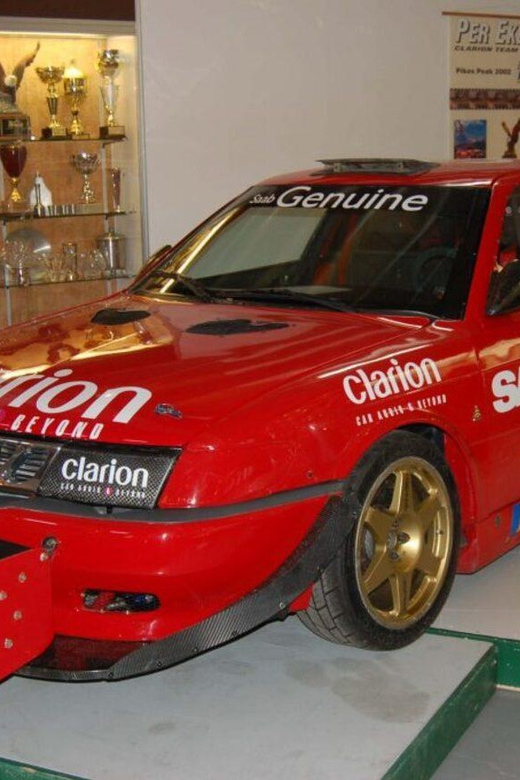
My favorite part is the motorsport section, where local legend Per Eklund’s trophies sit alongside racing cars such as the MG Metro 6R4 (1986) and the Saab 9-3 Viggen. I also appreciate how the museum does not stay locked on cars, with motorcycles, mopeds, carriages, sleds, and bicycles all sharing the same space. The one drawback to consider is that if you only want modern vehicles or high-gloss restorations, this museum’s focus on unusual makes and historical authenticity may feel more niche than flashy.
In This Review
- Key Things I’d Tell You Before You Go
- How a 1-Day Museum Visit Works at Arvika Fordonsmuseum
- The Main Galleries: Unusual Cars Kept in Original Condition
- Motorcycles, Mopeds, Carriages, and Sleds That Expand the Story
- Bicycles and Arvika Velocipedfabrik: More Than Just Accessories
- Per Eklund and Swedish Motorsport Displays
- Model Car Shop and Vehicle-History Publications (Worth Budgeting For)
- Price, Value, and Who This Visit Fits Best
- Should You Book Arvika Vehicle Museum?
- FAQ
- How long is the Arvika Vehicle Museum visit?
- What is the price for entry?
- Is there a live guide?
- How many people are in the group?
- What kinds of vehicles can I see?
- Can I buy related books or models?
Key Things I’d Tell You Before You Go
- Over 100 vehicles, including specific highlights like the Mercedes 370 S Cabriolet (1931), Humber (1903), and Volvo PV Valbo Cabriolet (1953)
- Yearly rotation, so your visit is less about ticking off the same list and more about catching what’s on display now
- Motorcycles, mopeds, and horse-drawn carriages, plus sleds and bicycles that broaden the story beyond cars
- Per Eklund’s racing legacy, with trophies and cars like the MG Metro 6R4 (1986) and Saab 9-3 Viggen
- Model car shop and museum publications, including the Arvika Fordonsmuseum book available for SEK 200
How a 1-Day Museum Visit Works at Arvika Fordonsmuseum
This is a straightforward 1-day visit built around one location: Arvika Fordonsmuseum. You buy your entry, then join a live tour guide who speaks Swedish, in a small group capped at 10 people. The skip-the-ticket-line detail matters here, because you want your time going toward looking closely, not waiting.
Because it is a guided, small-group experience, you should expect the guide to help you connect the dots between vehicles and the local story they represent. That is also where the museum’s variety helps you, since you are bouncing between cars, motorcycles, bicycles, and motorsport without needing separate tickets or transport.
One practical tip: wear comfortable shoes. The exhibits cover a lot of ground, and the real fun is in slowing down to look at details on multiple vehicle types.
More museums worth an hour in Sweden:


The Main Galleries: Unusual Cars Kept in Original Condition
If you like cars that feel like they survived time instead of being perfectly “recreated,” this is your speed. The museum centers on unusual brands in original condition, and it gives you enough variety that you can compare eras without getting lost in one brand’s story.
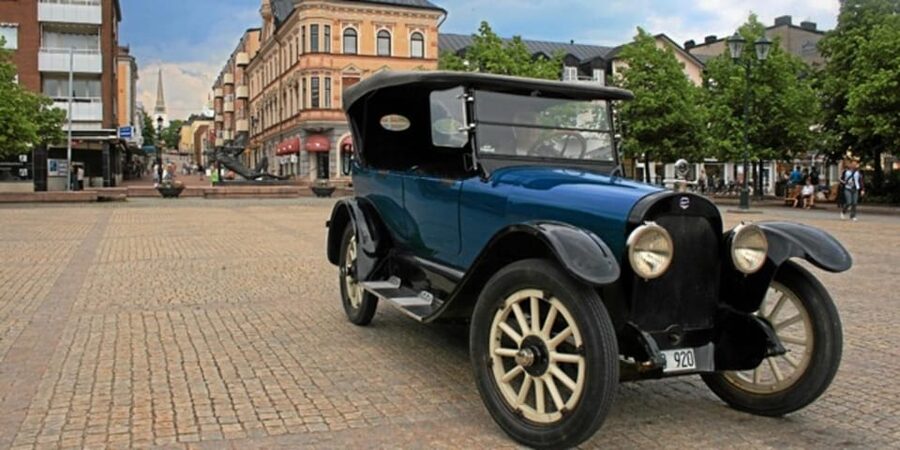
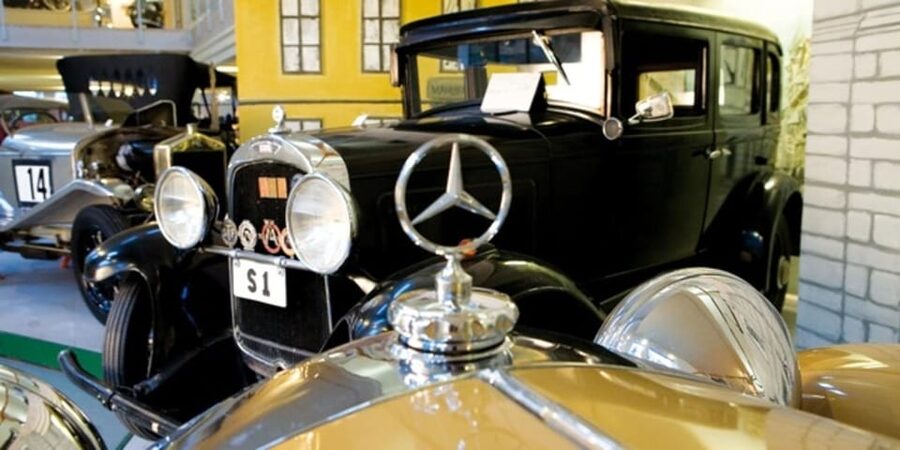
The cars you’re likely to spot include the Mercedes 370 S Cabriolet from 1931, the Humber from 1903, and the Volvo PV Valbo Cabriolet from 1953. Those dates alone tell you the museum isn’t trying to be only modern or only early. It’s trying to show how vehicle design and ownership changed across decades, while staying grounded in what the museum actually has.
A big value point is the way items come from both private sources and institutions. Some vehicles are on loan from private individuals and groups, and the Technical Museum in Stockholm contributed examples like a Thulin car and a 1915 Detroit Electric. That mix of sources helps explain why the collection feels eclectic rather than uniform.
Motorcycles, Mopeds, Carriages, and Sleds That Expand the Story
Cars are only one piece of the experience. You will also find motorcycles and mopeds, which helps you understand that “transport” in everyday life has always been broader than a single vehicle type. It also changes how you view the collection, because two-wheel machines and small engines often look more experimental and practical at the same time.
Then comes the stuff you might not expect in a vehicle museum: horse-drawn carriages, sleds, and even a kick sled associated with Arvika Vagnfabrik. Seeing these side-by-side with motor vehicles gives you a cleaner view of how transportation evolved in real steps, not just as a switch from old to new.
If you like photos and paperwork, keep an eye out for how the museum frames local significance. Many items connect to local history, and because vehicles are rotated every year, the museum is not treating the display as a static shrine.
Bicycles and Arvika Velocipedfabrik: More Than Just Accessories
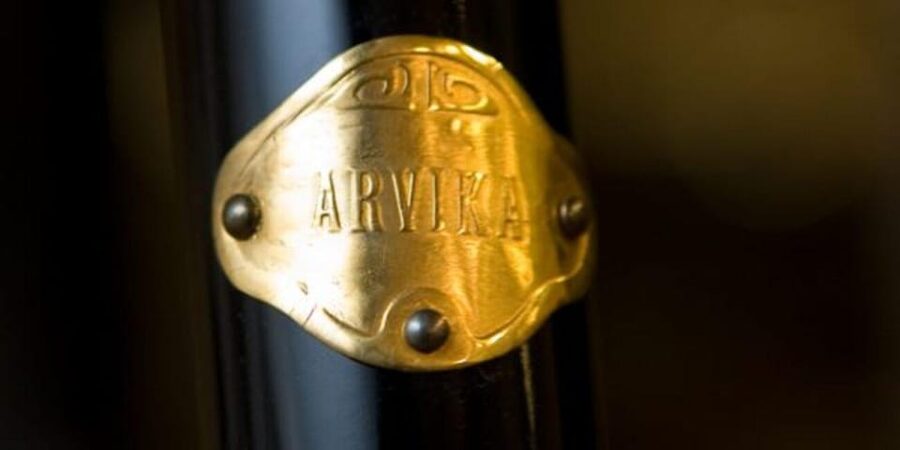
Arvika has a known connection to bicycle manufacturing, and the museum shows it with five bikes from Arvika Velocipedfabrik. I like this section because it stops the car-museum pattern where bicycles get treated like a footnote.
Bicycles at this museum also make the rest of the collection feel more grounded. When you move from bikes to motorcycles and then to cars, the progression feels logical: human power, then small engines, then full-size road vehicles.
This is also a good section for photographing details. Even if you are not a bike person, you can usually pick up the craftsmanship and design choices that change across models and decades.
Per Eklund and Swedish Motorsport Displays
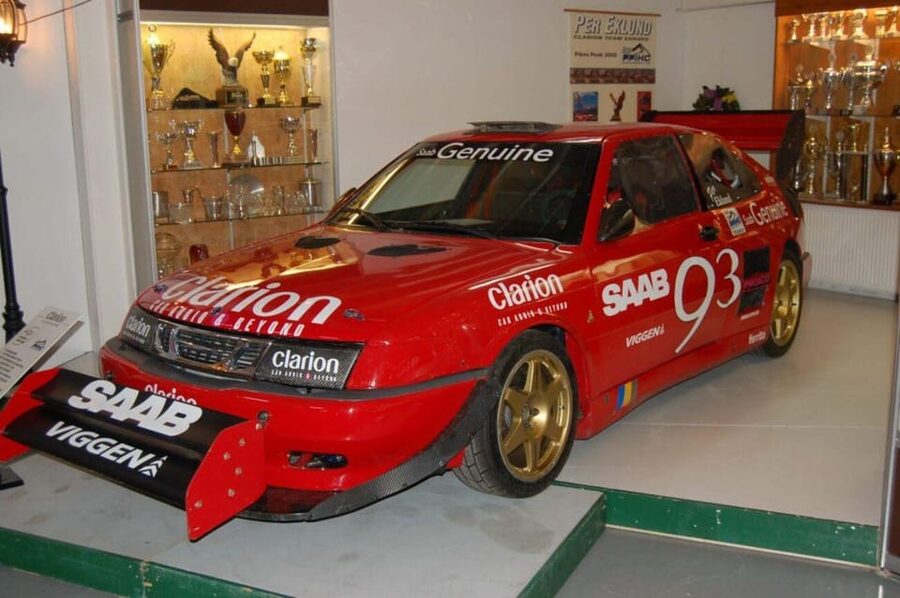
Motorsport fans get a real treat here. The museum highlights local legend Per Eklund with trophies and racing cars, and it does not limit you to one era or one brand. You can see vehicles tied to Eklund’s racing world, including the MG Metro 6R4 (1986) and the Saab 9-3 Viggen.
What makes this section valuable is that it stays personal and local. Instead of generic racing history, you are looking at a specific individual and what his competition life left behind. That turns “cars in glass cases” into something more like a timeline of performance and ambition.
If you are not a hardcore motorsport person, this part can still work, because it gives you a clear thread inside the museum. It helps you understand why certain vehicles matter beyond being old or rare.
Same daylight, a different plan:
- Stockholm: City Archipelago Sightseeing Cruise with Guide
★ 4.3 · 10,798 reviews - Stockholm: Hop-On Hop-Off Bus or Boat Option
★ 4.0 · 3,260 reviews - Stockholm: Archipelago Boat Tour
★ 4.4 · 3,110 reviews
Model Car Shop and Vehicle-History Publications (Worth Budgeting For)
After you’ve spent time looking at full-size vehicles, I suggest leaving room in your plan for the model car shop. It sells a variety of models at good prices, so it’s a perfect stop if you want a souvenir that matches what you actually saw.
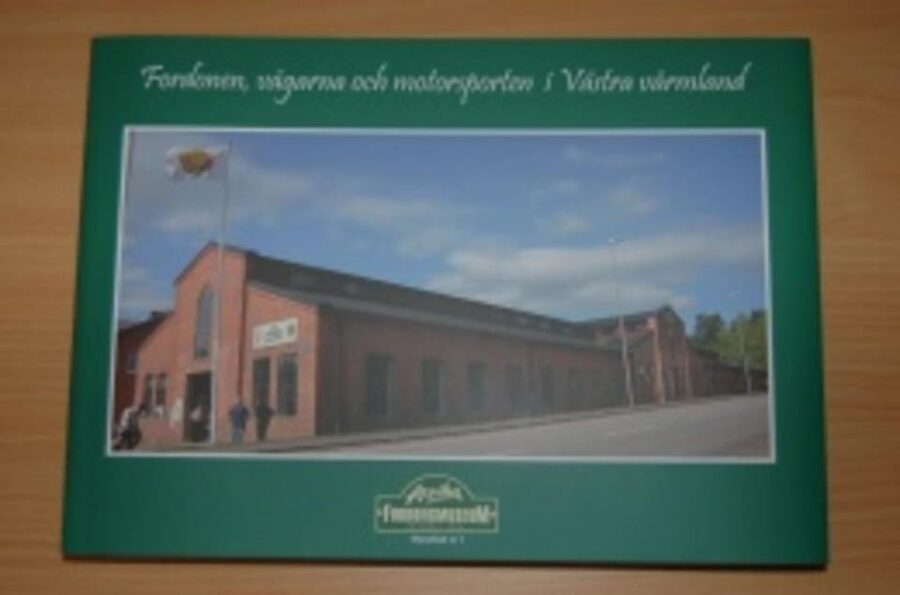
If you want something more information-heavy, consider the museum’s own publications. The Arvika Fordonsmuseum book covers the history of vehicles, roads, and motorsport in Västra Värmland. It is available for purchase at the museum and online for SEK 200.
This is also where I think the small-group guided format helps. A guide in Swedish can point you toward the sections to read, even if you only catch parts of it, and it can help you focus your purchase on what interests you most.
Price, Value, and Who This Visit Fits Best
At about $11 per person, the value depends on how you like to travel. If your idea of a good museum day is walking into one place and finding a packed, varied collection, this price is very reasonable. You are paying for more than car viewing, since the museum includes motorcycles, carriages, sleds, bicycles, plus a shop and publications.
The experience is also built for people who enjoy specificity. The museum is not just showing “classic vehicles,” it is showing unusual makes, original condition, and a local connection you can learn through the guide. If that sounds like your kind of day, you will likely leave satisfied.
This also makes sense for mixed groups. Someone who loves racing can gravitate toward Per Eklund, while someone drawn to craftsmanship can spend more time with bikes, carriages, or the kick sled display.
Should You Book Arvika Vehicle Museum?
Book it if you want an efficient, focused museum day with variety, not a long travel project. The combination of over 100 vehicles, a yearly rotation concept, a motorsport highlight with Per Eklund, and a model shop gives you several ways to enjoy the same visit.
Skip it, or at least rethink if you need modern vehicles or blockbuster-style presentation to feel excited. This museum is for people who enjoy the detailed, sometimes odd corners of transportation history, including brands that are not household names.
If you are in Sweden and you enjoy transport history, racing culture, or collecting-style browsing, I’d say this is an easy “yes” for a 1-day stop.
FAQ
How long is the Arvika Vehicle Museum visit?
It is a 1-day experience.
What is the price for entry?
The price is listed as $11 per person.
Is there a live guide?
Yes. There is a live tour guide, and the language is Swedish.
How many people are in the group?
The group is limited to 10 participants.
What kinds of vehicles can I see?
You can expect over 100 vehicles, including cars, motorcycles, mopeds, horse-drawn carriages, sleds, bicycles, and a kick sled from Arvika Vagnfabrik. Examples mentioned include a Mercedes 370 S Cabriolet (1931), Humber (1903), and Volvo PV Valbo Cabriolet (1953).
Can I buy related books or models?
Yes. There is a model car shop, and you can buy Arvika Fordonsmuseum publications, including a book available for SEK 200 (at the museum or online).
New on the Sweden pages
- Discover Stockholm’s Christmas Market Magic with a Local★ 5.0 · 1 review
- Stockholm Tour + Drottningholm Palace by VIP car PRIVATE Guide★ 5.0 · 1 review
- Deluxe Stockholm Tour with Vasa Museum from Cruise Port★ 4.0 · 1 review
- First Class Airport Limousine Transfer: Arlanda Airport to Stockholm City★ 5.0 · 1 review
- Grebbestad: boat tour private★ 5.0 · 1 review
- Self-guided Food Tour in Malmö★ 3.0 · 1 review
- Malmo: Insta-Perfect Walk with a Local★ 5.0 · 1 review
Museums, compared.


Vasa Museum and Vrak Museum of Wrecks Combo Entry
Read our review →



Skip the Line: Disgusting Food Museum Entrance Ticket
Read our review →Browse the lists this tour appears in