
Reviewed · TICKETS
Aino and Alvar Aalto Exhibition Entry Ticket
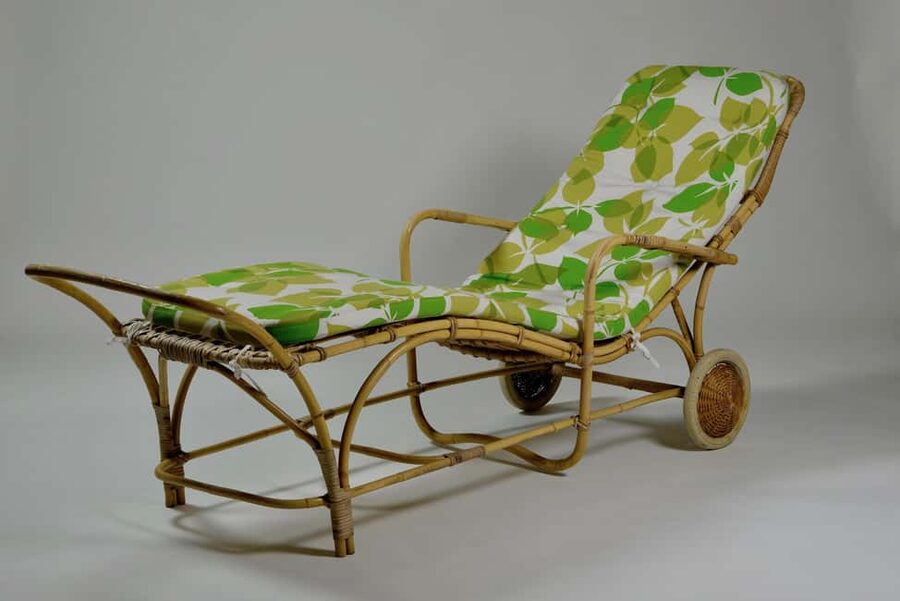
Aalto design feels human, not museum-stuffy. This exhibition at Millesgården Museum connects the Aaltos creative partnership to real objects and rooms, with 200+ pieces spanning the 1920s to the mid 1960s. You get the rare chance to see furniture, glass, lighting, and prototypes in a way that explains how architecture and interior design grew from the same idea.
I particularly like the focus on the Aino and Alvar Aalto collaboration, where you can spot how their roles blended instead of competing. I also love the room settings, including a wartime living room, because it helps you understand the design choices in a lived-in context, not just behind glass.
One thing to consider: the exhibition can feel short if you expect a big marathon, so plan to spend time beyond the main halls at Millesgården. And if you use a digital ticket, have a backup ready, because ticket readers may not always register the sent ticket image, even though entry is still possible.
In This Review
- Key Highlights I’d Mark on Your Must-See List
- Millesgården Museum: Why the Setting Matters
- Over 200 Aalto Objects: What You’re Actually Looking At
- The Aalto Collaboration: Equality as a Design Method
- The Wave Motif Everywhere: From Architecture to Glass
- Room Settings You Can Walk Through: How Design Happens in Real Life
- What About Sustainability and Social Engagement?
- A Note on Time: When the Visit Feels Short
- Ticket Scans and Entry Reality at Millesgården
- Price and Value: Is About $18 a Fair Deal?
- A Simple 1-Day Plan That Works
- Who Should Book This Ticket?
- Should You Book the Aino and Alvar Aalto Exhibition Entry Ticket?
- FAQ
- Where is the Aino and Alvar Aalto exhibition?
- How long do I need for this experience?
- What will I see inside the exhibition?
- Is there a specific theme or design motif highlighted?
- What is included with the ticket besides the exhibition?
- Is it wheelchair accessible?
- What is the cancellation and payment flexibility?
Key Highlights I’d Mark on Your Must-See List
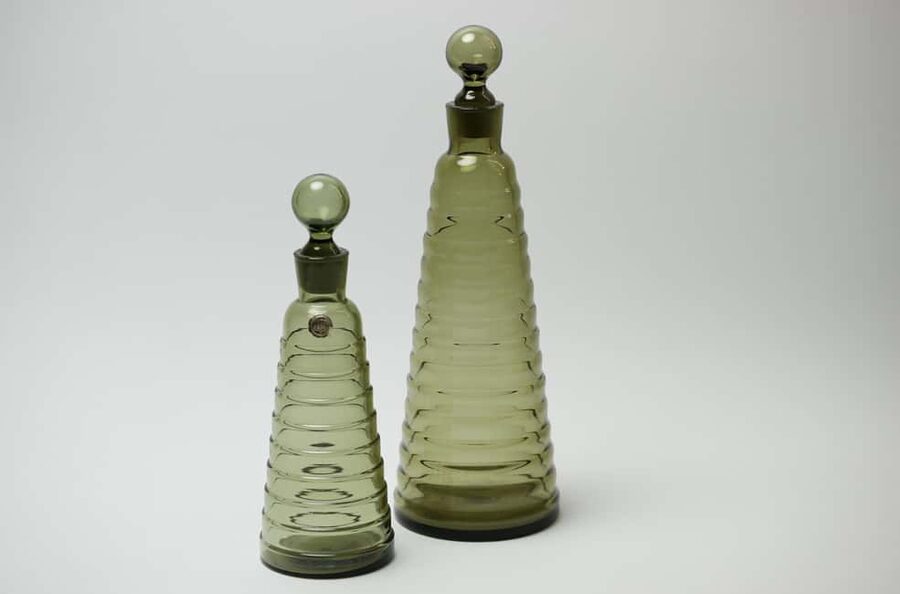
- 200+ objects from a private Aalto collection, including iconic handmade pieces across decades
- Room settings you can walk through, including a wartime living room and a mid-century urban apartment styled by Artek
- The wave motif in multiple forms, from Alvar Aalto architecture to the Savoy vase and Aino Aalto glassware
- A collaboration story with real balance, Alvar often shaping architectural elements while Aino directs interiors and materials
- Access to more than the exhibition, including Millesgården Sculpture Park and the Artist’s Home
Millesgården Museum: Why the Setting Matters
Millesgården is not just a place to hang design panels. It is a museum site that also lets you roam the grounds, with access included to the Sculpture Park and the Artist’s Home. That matters because the Aaltos approach was never only about objects. They treated design like a full environment, where space, light, and daily use belong together.
When you start the day with the museum buildings and grounds in mind, the exhibition lands better. You are not only looking at mid-century modernism as a style, you are seeing how it connects to nature, how forms sit in space, and how the human scale shows up in everyday life.
More museums worth an hour in Stockholm:


Over 200 Aalto Objects: What You’re Actually Looking At
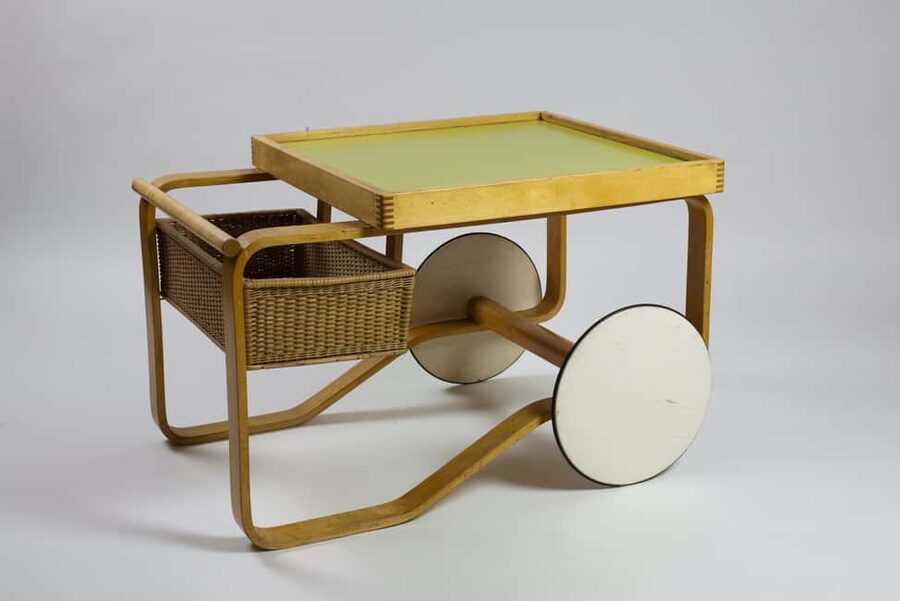
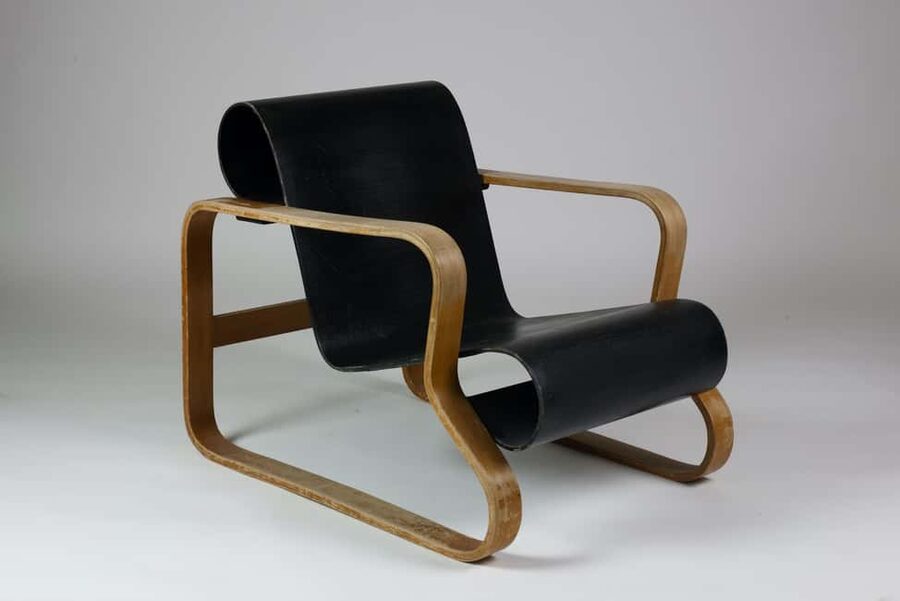
The core of your visit is an exhibition that brings together over 200 objects drawn from a major private collection by Pertti Männistö. The big win here is the range. You are not stuck with one category like chairs only or glass only. You see furniture, glassware, lighting, and prototypes, all pointing back to the same design mindset.
What makes the collection especially satisfying is the time span. You can track how the look and the thinking evolve from the 1920s to the mid 1960s. If you love learning through progression, this is a better format than a single timeline poster. You can walk and compare pieces that show both restraint and experimentation.
You’ll also see the Aaltos’ creative process hinted through prototypes and design objects. That is where the exhibition feels most useful. Instead of treating famous designs like untouchable artifacts, it shows how the ideas were tested and refined.
The Aalto Collaboration: Equality as a Design Method
This exhibition leans hard into the partnership of Aino and Alvar Aalto, and it is one of the best reasons to go. Many design stories treat the architect as the star and the rest as support. Here, the emphasis is on complete equality and a shared holistic concept.
In practice, that shows up in how the exhibition frames responsibility. Alvar is often presented as the driver of architectural elements. Aino is presented as directing interiors and material choices. The result is a system where the built structure and the things inside it share the same logic.
I like this angle because it changes how you look at details. Instead of asking, who did this or that, you start asking, how did the whole setup aim to work for people. That human-centered approach shows up again and again, including links to sustainability and social engagement, not just aesthetics.
The Wave Motif Everywhere: From Architecture to Glass
If you notice a repeating shape language, you’re doing it right. The exhibition highlights the wave motif, a recurring design language visible across Alvar Aalto’s architecture and in objects you probably recognize.
A key piece is the famous Savoy vase, often associated with mid-century Aalto design identity. On the glass side, you’ll find Aino Aalto’s Bölgeblick glassware, which also connects back to that same wave feeling.
And here is the extra context that makes it more than a pattern: the Finnish word aalto means wave. The exhibition uses that meaning to tie together the Aaltos shared design philosophy. You start to see the motif as a unifying idea, not a decorative habit.
Room Settings You Can Walk Through: How Design Happens in Real Life
The exhibition uses fully furnished room settings, and this is one of those museum choices that quietly improves everything. It turns design history into something you can compare with your own instincts about comfort and function.
One setting includes a wartime living room. That detail matters because it pushes you to think beyond stylish modernism. Design decisions in that context often revolve around making life work with constraints, and it helps you connect Aalto ideas to practical reality.
Another highlight is a 1950s urban Finnish apartment styled by Artek. Since Artek was co-founded by the Aaltos, this is not a random brand cameo. It reinforces how their thinking moved outward, from buildings and prototypes into everyday interior design.
For me, the best part is the way the exhibition implies a loop between architecture, interiors, and product design. You can sense how architectural solutions and interior choices were planned together. It is a useful lesson if you have ever seen homes where the furniture looks unrelated to the building.
A few more Stockholm outings to weigh up
- Stockholm: City Archipelago Sightseeing Cruise with Guide
★ 4.3 · 10,798 reviews - Stockholm: Hop-On Hop-Off Bus or Boat Option
★ 4.0 · 3,260 reviews - Stockholm: Archipelago Boat Tour
★ 4.4 · 3,110 reviews
What About Sustainability and Social Engagement?
The exhibition does not position the Aaltos only as visual innovators. It also points to their work with sustainability and social engagement. You should expect this in the way the exhibition frames design decisions and the purpose behind them.
Even if you are not hunting for environmental details line by line, the theme helps you interpret why so many of the objects feel thoughtful rather than flashy. The Aalto approach leans toward making things that fit people and fit contexts. That kind of thinking tends to age well, which is why Aalto design still looks contemporary instead of dated.
A Note on Time: When the Visit Feels Short
The ticket is valid for 1 day, but that does not automatically mean the main exhibition will feel like a long, slow day. If you like large exhibitions with dozens of rooms and major sections, you might want to avoid a too-tight schedule.
My practical advice: treat the exhibition as the anchor, then plan to add time for the Sculpture Park and the Artist’s Home. That way, even if the main hall portion is quicker than you expected, your day still feels complete and worth the trip.
Ticket Scans and Entry Reality at Millesgården
Digital tickets are convenient, but they are not always perfect at the door. Based on what I’ve heard, there can be cases where the ticket reader at Millesgården does not recognize the ticket image or code. The good news is that entry is still possible when staff verify your booking another way.
So I suggest you bring a fallback. Have your confirmation email or booking details pulled up on your phone. If you travel with a paper printout, that can work too. The goal is simple: make it easy for the staff to verify you fast, with minimal stress.
Price and Value: Is About $18 a Fair Deal?
At roughly $18 per person, this is not priced like a premium, all-day guided tour. What makes it good value is what you get access to: the Aino and Alvar Aalto exhibition plus entrance to all of Millesgården, including the Sculpture Park and the Artist’s Home.
That means your money is buying more than one room of displays. You’re also buying time in a museum setting that helps explain the design philosophy through surroundings, not just labels. If you care about design, this is a strong way to spend a day in Stockholm County without committing to a full-day bus tour or a packed schedule.
The main drawback is also price-related in a sense. If you were expecting a long, massive exhibition experience, you might feel the admission is slightly light for your personal taste. The fix is easy: add the rest of Millesgården to your plan.
A Simple 1-Day Plan That Works
You are here for a design story that links objects, rooms, and architecture. A smooth day usually looks like this:
First, go straight to the Aino and Alvar Aalto exhibition and focus on the relationships. Spend extra time on the furnished room settings, because they help you interpret the objects. If you find yourself speeding, slow down at anything showing the wave motif, since that theme ties the whole experience together.
Then move outward to Sculpture Park walks. It is a good place to reset your eyes after all the interior design details. Finally, use your included access to the Artist’s Home. Even if you do not turn it into a deep study session, it rounds out the day and reinforces the museum’s broader connection to art, design, and space.
Who Should Book This Ticket?
This ticket is a great fit if you like any of these:
- 20th-century design, especially Scandinavian modernism
- architecture and interior design that connect to real daily life
- collectors of object design details like glassware and lighting
- people who enjoy learning through rooms and environments, not only text
It is less ideal if you want a huge, time-consuming exhibition with lots of separate sections and long pacing. The exhibition is meaningful, but it may not consume the whole day on its own.
Should You Book the Aino and Alvar Aalto Exhibition Entry Ticket?
If you want an efficient, design-focused day at Millesgården, I think you should book it. For about $18, you get a concentrated Aalto experience, 200+ objects, room settings that make design feel practical, and included access to the Sculpture Park and Artist’s Home.
The decision depends on your pace. If you’re the type who likes to wander slowly and absorb, it will feel like money well spent. If you prefer big, sprawling exhibitions that take hours and hours, go in with a plan to spend time in the rest of Millesgården so your day still feels full.
FAQ
Where is the Aino and Alvar Aalto exhibition?
It takes place at Millesgården Museum in Stockholm County, Sweden.
How long do I need for this experience?
The ticket is valid for 1 day.
What will I see inside the exhibition?
You’ll see access to the Aino and Alvar Aalto exhibition featuring over 200 objects, including furniture, glassware, lighting, prototypes, and furnished room settings, such as a wartime living room.
Is there a specific theme or design motif highlighted?
Yes. The exhibition highlights the wave motif, connected to Alvar Aalto’s architecture and also seen in objects like the Savoy vase and Aino Aalto glassware.
What is included with the ticket besides the exhibition?
Entrance to all of Millesgården is included, including the Sculpture Park and the Artist’s Home.
Is it wheelchair accessible?
Yes, the activity is wheelchair accessible.
What is the cancellation and payment flexibility?
You can cancel up to 24 hours in advance for a full refund. There is also a reserve now and pay later option.
New on the Stockholm pages
- Stockholm Tour + Drottningholm Palace by VIP car PRIVATE Guide★ 5.0 · 1 review
- Discover Stockholm’s Christmas Market Magic with a Local★ 5.0 · 1 review
- First Class Airport Limousine Transfer: Arlanda Airport to Stockholm City★ 5.0 · 1 review
- Deluxe Stockholm Tour with Vasa Museum from Cruise Port★ 4.0 · 1 review
- Stockholm Shore Excursion from Cruise Port★ 5.0 · 1 review
- Stockholm Old Town Walking Tour + Archipelago Cruise★ 5.0 · 1 review
- Stockholm History Walking Tour★ 5.0 · 1 review
Tickets, compared.




Avicii Experience Skip-the-Line Entrance Ticket
Read our review →



Skip the Line: Disgusting Food Museum Entrance Ticket
Read our review →Browse the lists this tour appears in