
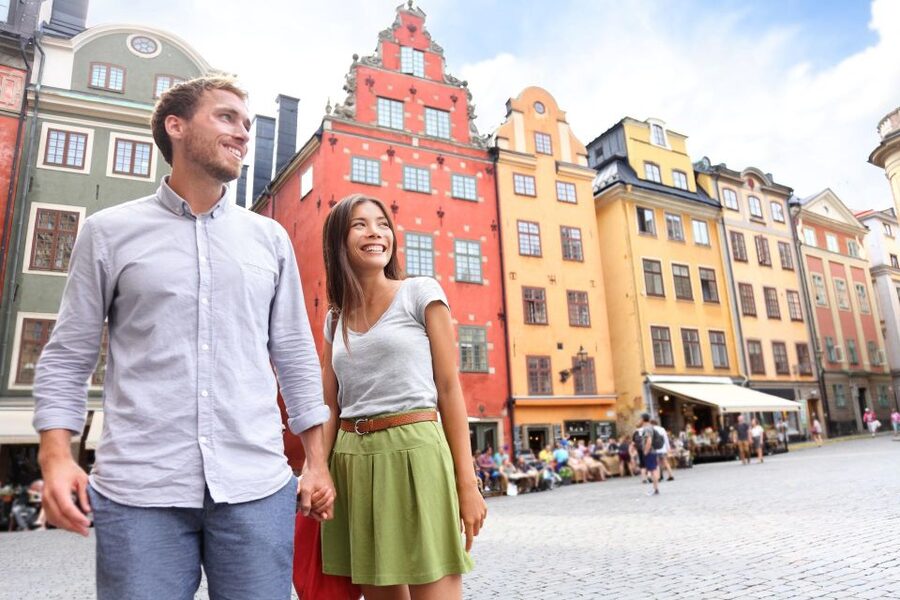
Reviewed · GUIDED WALKS IN STOCKHOLM
World War II Stockholm Old Town Walking Tour and Army Museum
Neutral Sweden faced brutal choices in WWII. This private Old Town walk connects real places in Gamla Stan to the war decisions you often never hear about.
I especially like how the tour tackles Swedish neutrality as a lived political strategy, not a simple slogan. You walk past power and culture sites, then you get the on-the-ground context that made neutrality work, and also the parts that became morally complicated.
My other big win is the focus on human stakes, especially Raoul Wallenberg’s rescue efforts. One consideration: if you book the 2-hour version, you will not visit the Army Museum, so history buffs may feel the experience is shorter than they want.
In This Review
- Key highlights you should care about
- Stockholm’s WWII choices start in Gamla Stan
- Meet your guide at Lars Johan Hierta Monument, then get oriented fast
- Swedish neutrality in motion: from Royal Palace to Parliament House
- Berzelii Park Remembrance Path and the Raoul Wallenberg thread
- Monuments that force the WWII and Holocaust connection
- Optional Army Museum: what you gain in the 3-hour tour
- Price and value: what $205 buys in time, story, and access
- Who should book this Stockholm WWII Old Town tour
- Should you book this tour?
- FAQ
- Where does the tour meet?
- How long is the WWII walking tour in Stockholm?
- Is the Army Museum included?
- What stops are covered during the walking portion?
- Who is this tour good for?
- What languages are available for the guide?
- Is this a private tour?
- Is it wheelchair accessible?
- What is the cancellation policy?
Key highlights you should care about
- Gamla Stan route with WWII context, built around how neutrality shifted during the conflict
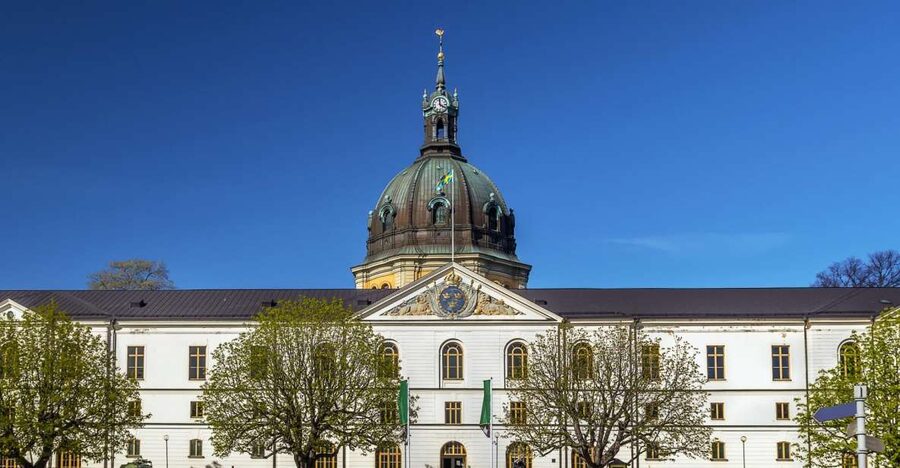
- Royal Palace, Storkyrkan, and Parliament House stops that tie politics to streets you can see
- Remembrance Path in Berzelii Park and a clear look at Raoul Wallenberg’s humanitarian work
- Monuments connected to WWII and the Holocaust, so the story has visible anchors
- Army Museum visit in the 3-hour option, with documents, uniforms, weapons, trophies, and the Wallenberg-focused exhibit
Stockholm’s WWII choices start in Gamla Stan

This tour is built around one core idea: when war presses in, neutrality is never neutral. You start by learning the socio-political climate of Scandinavia during WWII and how Sweden tried to stay out, while still living next to the consequences. It’s not just dates and big battles. You get the pressure points that shaped foreign trade, domestic politics, and everyday life.
You’ll hear about how the neutrality story began at the start of WWII, then how it changed as events piled up. The tour also covers brutal nearby realities, including Soviet bombings of Sweden. That matters because it turns the idea of distance into something sharper. You are not reading an abstract history chapter, you’re standing in a city that felt the war’s weight.
And yes, you will talk about the Jewish refugee question too. The tour addresses whether Jewish refugees were welcome, which is a heavy subject, but it’s part of the full picture. The goal here is understanding, not comfort.
More Guided Walks in Stockholm
Meet your guide at Lars Johan Hierta Monument, then get oriented fast
Your meeting point is in front of the Lars Johan Hierta Monument, Riddarhustorget 9, 111 28 Stockholm. That spot is a strong starting signal because Hierta was a Swedish journalist linked to freedom of the press. It sets a useful tone for the walk: you’ll be thinking about power, messaging, and who gets to speak during crises.
Because this is a private group tour, your guide can pace things for your language group and attention level. The experience provider is Rosotravel Sweden, and you can book with German, Italian, French, Spanish, Russian, English, or Swedish speaking guides. If you want the story explained clearly, that language match matters.
You’ll also want to pay attention early, because the guide gives you the historical context behind Swedish neutrality right at the start. That framing makes everything you see afterward make more sense: the sites stop being scenery and start becoming evidence.
Swedish neutrality in motion: from Royal Palace to Parliament House
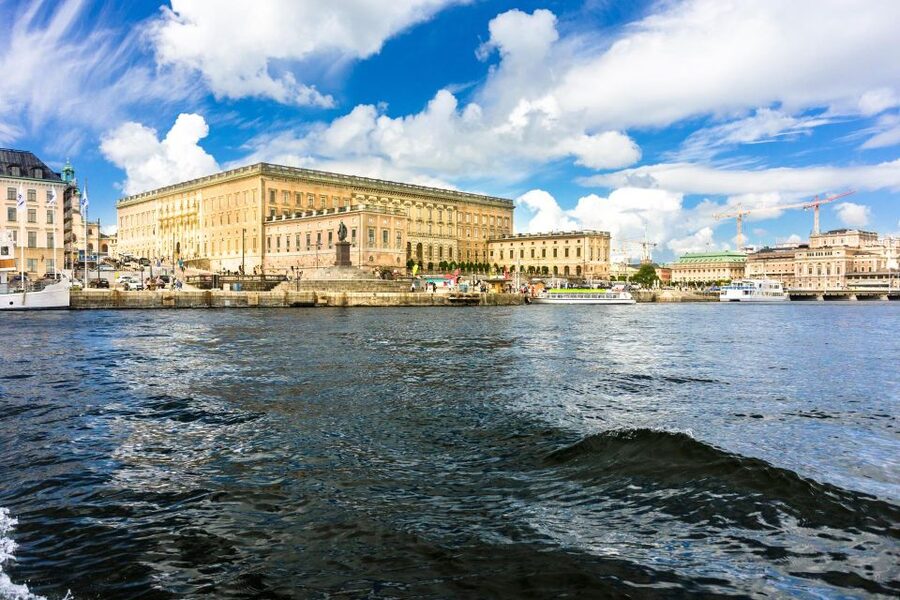
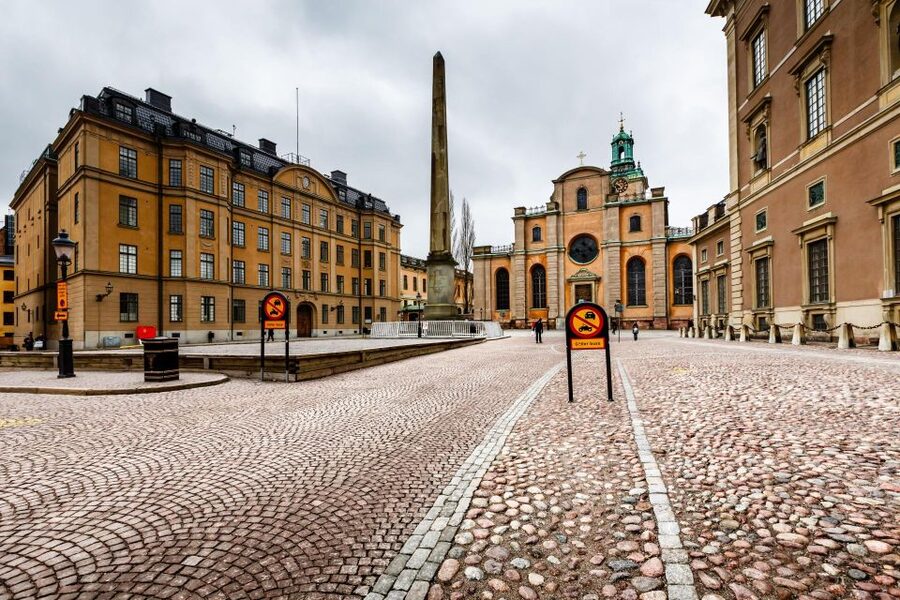
The heart of the walking portion is the way it links official Sweden to wartime choices. You spend time at the Royal Palace, then on to Storkyrkan Cathedral, and also Parliament House. The stops aren’t random. Each one supports a different angle on how wartime pressures filtered into politics, religion, and governance.
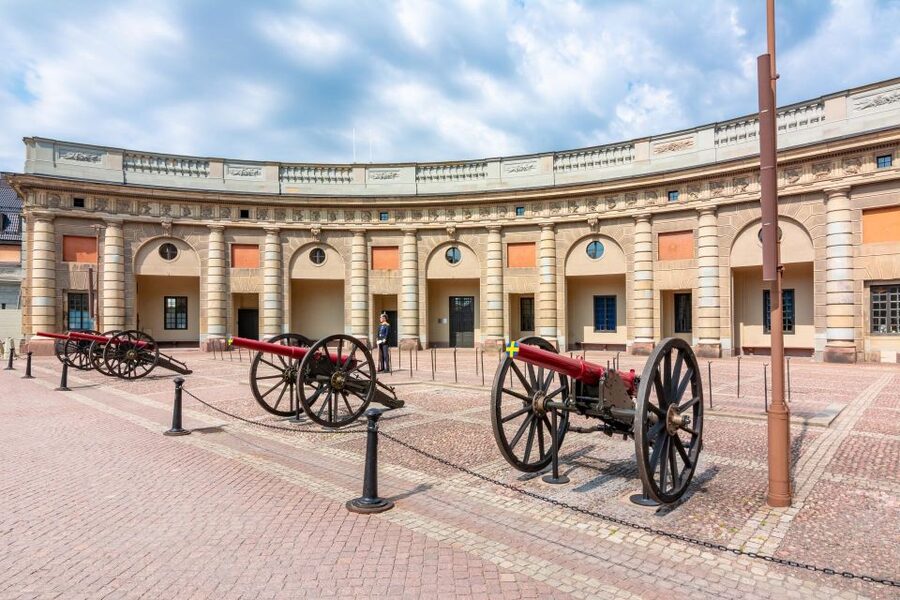
At the Royal Palace, you’ll learn about the response of the Swedish royal family as the conflict unfolded. That’s important because monarchy in wartime can be a stabilizer, a symbol, and a channel for difficult messages. The guide connects those roles to the larger neutrality strategy.
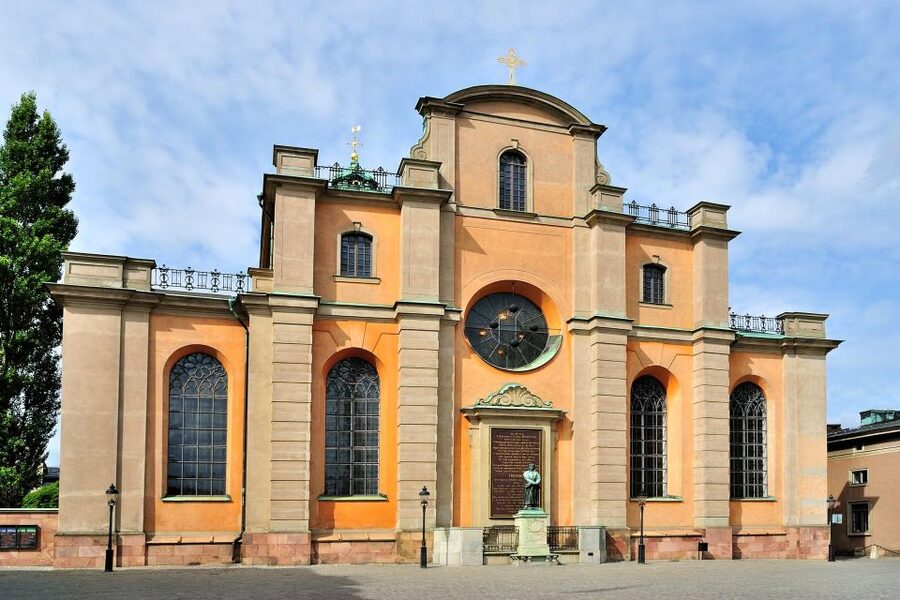
At Storkyrkan Cathedral, you’ll explore how the church fit into the picture. The tour looks at how institutions respond when war changes what people are allowed to say, fear, pray for, or demand. Even if you’re not a church-history fan, this stop helps you understand social pressure during the conflict.
Then Parliament House adds the practical angle. This is where the tour’s theme of neutrality as policy becomes concrete. You’ll also hear how the war influenced the prestigious Nobel Prize awards. Even if you think of Nobel prizes as purely academic, the tour explains why wartime politics mattered for recognition and decisions behind the scenes.
A practical note: Gamla Stan streets can feel tight and busy. Wear comfortable shoes and plan for steady walking at a relaxed pace, since the story relies on you being able to move between stops.
Berzelii Park Remembrance Path and the Raoul Wallenberg thread

One of the most compelling parts is the Remembrance Path in Berzelii Park. This is where the tour shifts from government and neutrality mechanics to humanitarian action and moral risk.
Raoul Wallenberg’s story is central here. You’ll hear the effort to rescue ten of thousands of Jewish people from the Holocaust. The guide frames it as action inside a Europe under occupation, not as a distant “hero moment” removed from context. That approach helps you understand why humanitarian work in wartime was dangerous and politically sensitive.
This is also where the tour’s earlier themes come back around. If you were wondering how neutrality affected people caught in the German occupation, Wallenberg’s story gives you a real answer, one with consequences. It’s not only about what Sweden did as a state, but what individuals and networks attempted under extreme constraints.
If you like your history tied to specific locations, this stop will feel satisfying. It gives your brain something concrete to hold onto: the path, the setting, and then the human story that happened in the background of those city spaces.
Monuments that force the WWII and Holocaust connection
The walking tour includes visits to monuments dedicated to World War II and the Holocaust. That might sound obvious, but in practice it changes how you interpret the rest of the route. A monument is a public decision. It tells you what a city chooses to remember, and how it wants to frame suffering.
Seeing those memorial anchors while you’re actively learning about neutrality, Operation Save Denmark, and the broader Scandinavian situation helps the story land. You’re not only hearing about the Holocaust in abstract terms. You’re connecting it to how Stockholm marked the memory in physical space.
One practical tip: take a moment at each monument to slow down and actually read what you can. The guide will talk, but these places also give you written context you can revisit later. In a city like Stockholm, details matter, and the guide’s story works best when you give it your full attention for a minute at a time.
More of Gamla Stan on foot:
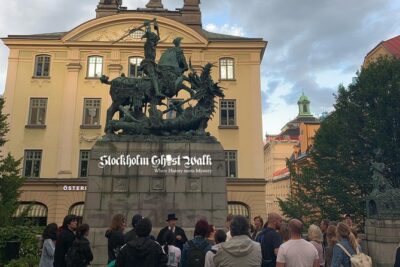
- The Original Stockholm Ghost Walk and Historical Tour – Gamla Stan
★ 4.5 · 1,165 reviews - Stockholm: Old Town Private Walking Tour
★ 4.7 · 675 reviews - Stockholm: Guided Historic Old Town Walking Tour with Local
★ 4.8 · 618 reviews
Optional Army Museum: what you gain in the 3-hour tour
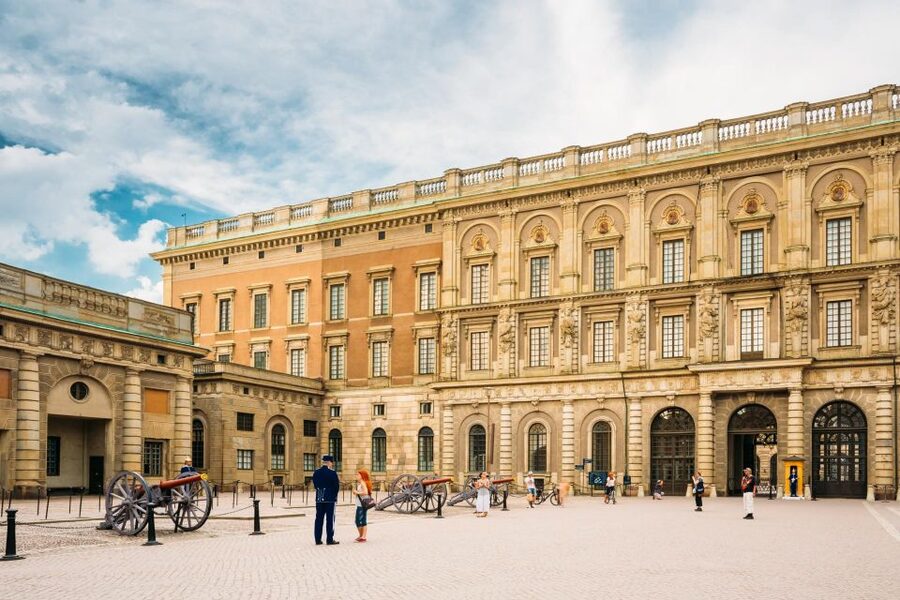
If you choose the extended option, you add an Army Museum visit. The Army Museum is not included in the 2-hour tour, so this is your key decision point.
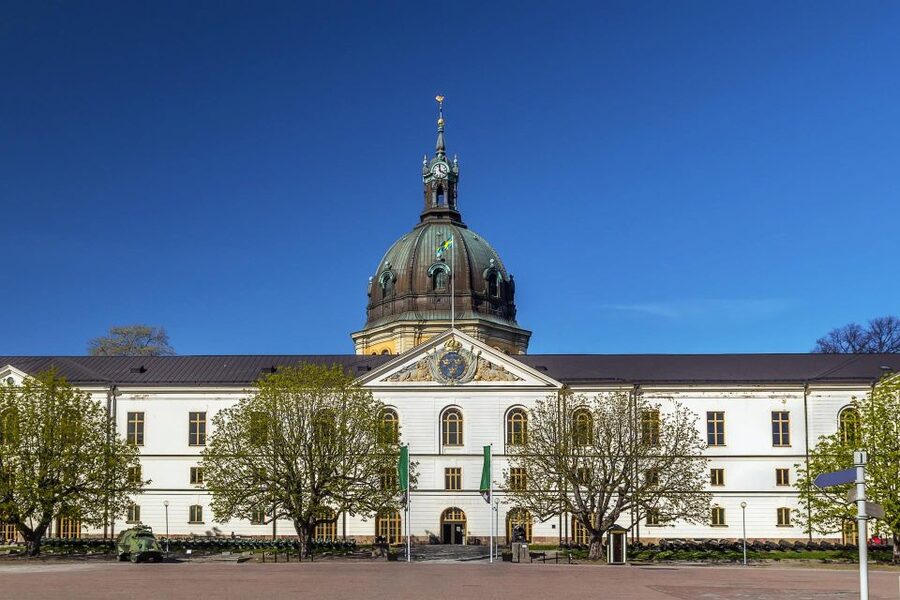
In the 3-hour version, the museum expands the focus beyond WWII politics and into military life and national survival. The museum explores more than 500 years of wartime and peacetime in Sweden. That breadth gives you useful perspective. You start to see that Sweden’s wartime posture did not appear out of nowhere. It grew from long patterns of defense planning, preparedness, and social change.
You also learn about living conditions for soldiers, their families, and the general population. That’s where many military museums feel either too technical or too distant. Here, the emphasis on everyday conditions makes it easier to picture what “war” meant for ordinary people.
There’s also a dedicated Raoul Wallenberg exhibition inside the museum. If Wallenberg’s humanitarian story already hooked you in Berzelii Park, this is the chance to see documents and artifacts related to him. You’ll also encounter historical documents, military uniforms, weapons, and trophies. Even if you are not a collector of military memorabilia, uniforms and equipment can make history feel less like a lecture.
For value-minded travelers: the museum time is the biggest difference between 2 hours and 3 hours. If WWII is your main focus, the extended option is often the smarter match.
Price and value: what $205 buys in time, story, and access
The price is $205 per person, with a duration of 2 to 3 hours depending on the selected option. In a city where many tours are either generic or rushed, what you’re paying for here is a tightly themed story guided by someone licensed and fluent in your chosen language, with WWII-specific stops in Old Town.
A private format matters too. Your group size can run up to 1 to 25 guests per guide (or more depending on additional guides). That means you’re not stuck in a huge crowd where you can’t hear the guide or ask one follow-up question.
So is it good value? It tends to be if you want three things at once: political context, humanitarian focus, and visible sites. If you only want a quick highlights loop with minimal heavy content, you might feel the subject matter is too serious for the length.
But if you’re the type of person who likes to understand why a country made certain choices under pressure, this tour justifies its cost. The key is matching your time option to your interests, because the Army Museum inclusion in the 3-hour route is a real upgrade.
Who should book this Stockholm WWII Old Town tour
I think this tour fits best if you fall into one of these groups:
- You want WWII history that explains choices, not just outcomes
- You care about Raoul Wallenberg and humanitarian efforts connected to the Holocaust
- You like seeing how major institutions, like the royal family and parliament, connect to wartime decisions
- You want Old Town sightseeing that feels purposeful, not purely photo-based
- You are history-minded enough to handle heavy themes respectfully
If your goal is purely relaxed sightseeing, you might prefer a lighter-themed tour. This one centers on war, neutrality, refugee questions, and the Holocaust, so it carries emotional weight.
It also helps if you plan to spend some time in Stockholm after the tour. The route gives you context that makes later self-guided wandering easier, especially around government buildings, church sites, and memorial areas.
Should you book this tour?
Book it if you want a focused, private WWII story in Stockholm’s historic heart, with strong emphasis on Swedish neutrality and the human side of the war. I especially recommend the 3-hour version if you’re even mildly curious about the Army Museum, since it adds museum exhibits and a Wallenberg-focused angle that you cannot get from the walk alone.
Skip or reconsider the 2-hour option if you expect a museum component. And go in ready for serious history. The payoff is that you leave with a clearer understanding of how Sweden navigated war pressure, and how mercy and rescue efforts played out against that backdrop.
FAQ
Where does the tour meet?
You meet your guide in front of the Lars Johan Hierta Monument, Riddarhustorget 9, 111 28 Stockholm.
How long is the WWII walking tour in Stockholm?
The experience is listed as 2 to 3 hours, depending on which option you select.
Is the Army Museum included?
The Army Museum is included only in the 3-hour tour option. It is not included in the 2-hour tour.
What stops are covered during the walking portion?
You’ll see sites around Stockholm’s Gamla Stan, including the Royal Palace, Storkyrkan Cathedral, Parliament House, and monuments dedicated to World War II and the Holocaust.
Who is this tour good for?
It’s a good fit for people who want WWII context in Stockholm, especially topics like Swedish neutrality, Scandinavia during the war, and Raoul Wallenberg’s rescue efforts.
What languages are available for the guide?
The live guide is available in German, Italian, French, Spanish, Russian, English, and Swedish.
Is this a private tour?
Yes, it is a private group tour.
Is it wheelchair accessible?
Yes, the tour is listed as wheelchair accessible.
What is the cancellation policy?
Free cancellation is available up to 24 hours in advance for a full refund.
Museums Worth an Hour in Stockholm
- Stockholm: ABBA The Museum Entrance Ticket
★ 4.7 · 11,280 reviews - Stockholm: Skansen Open-Air Museum Admission Ticket
★ 4.5 · 3,427 reviews - Stockholm: Paradox Museum Entry Ticket
★ 4.2 · 3,031 reviews - Stockholm Pass: Save up to 50% – Includes Vasa Museum Ticket
★ 4.1 · 2,392 reviews
New on the Stockholm pages
- Stockholm Tour + Drottningholm Palace by VIP car PRIVATE Guide★ 5.0 · 1 review
- Discover Stockholm’s Christmas Market Magic with a Local★ 5.0 · 1 review
- Deluxe Stockholm Tour with Vasa Museum from Cruise Port★ 4.0 · 1 review
- First Class Airport Limousine Transfer: Arlanda Airport to Stockholm City★ 5.0 · 1 review
- Stockholm Shore Excursion from Cruise Port★ 5.0 · 1 review
- Stockholm Old Town Walking Tour + Archipelago Cruise★ 5.0 · 1 review
- Stockholm History Walking Tour★ 5.0 · 1 review
Guided Walks in Stockholm, compared.
Stockholm Gamla Stan: Old Town Walking Tour with Local Guide
Read our review →
The Original Stockholm Ghost Walk and Historical Tour – Gamla Stan
Read our review →

Best of Stockholm Walking Tour-3 Hours, Small Group max 10 people
Read our review →
Browse the lists this tour appears in