
Reviewed · SWEDEN
The Wolf Howl Experience
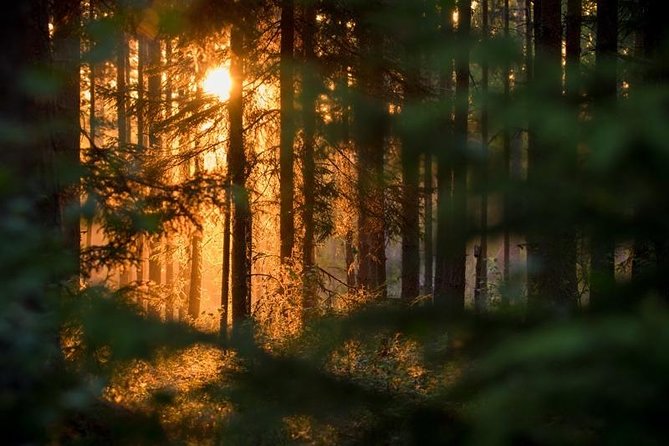
One night in wolf country changes your hearing. This 2-day Wolf Howl Experience in central Sweden sends you out of civilization into a resident wolf family area, then builds the whole stay around watching and listening. I like that the tour runs with support from the Scandinavian Wolf Project, so it feels more like conservation-minded field time than a gimmick. I also like that you skip typical tourist meals and get outdoor cooking in the forest, with gear handled for you instead of you lugging stuff.
The main drawback to plan for is simple: wolf encounters are never guaranteed, and you’ll be spending long stretches outside in hammocks and on dark, headlamp-lit walks while waiting for signs.
In This Review
- Key takeaways before you go
- Wolf Howl Experience in Sweden, where the focus is respect
- Price, group size, and what $963.13 is really buying
- Day 1: leaving Köping and stepping into wolf territory
- What I like about the Day 1 pacing
- Night one: hammocks, campfire cooking, and wolf listening mode
- Day 2: breakfast, tracking signs, and a headlamp walk for night listening
- Night two: quiet listening on rugged terrain
- Day 3: morning watch, one last breakfast in the trees, then back to civilization
- Guides and learning style, with names you might hear in the group
- Outdoor meals, vegetarian options, and why gear support matters
- Managing expectations: how to get the best experience, even without howling
- Should you book the Wolf Howl Experience?
- FAQ
- Where does the tour start?
- How long is the Wolf Howl Experience?
- What language is the tour offered in?
- Is the group size limited?
- Is camping gear provided?
- Is the wolf howling guaranteed?
Key takeaways before you go
- Small group of up to 7: more time with the guides and less noise in the listening spots.
- Support from the Scandinavian Wolf Project: an approach focused on respect for wolves and their habitat.
- Provided camping setup, no bring-your-own gear pressure: you can travel light and still have what you need.
- Hammock nights and outdoor meals: the comfort style is rustic, but it keeps you in the real forest rhythm.
- Tracking lessons during daylight: you learn how to read territory clues, not just chase sounds.
- No howl guarantees: the excitement comes from wild behavior, not a staged event.
Wolf Howl Experience in Sweden, where the focus is respect
This is not a “stand and clap for wildlife” kind of trip. The design centers on sharing space with wolves, not dominating it. You go into a forest area tied to a resident wolf family, then you spend time learning how wolves use territory and what their presence looks like in the landscape.
The support angle matters to me. When a tour explicitly works with the Scandinavian Wolf Project, it changes the tone. You get the feeling that the goal is to understand and protect, not to manufacture thrills. Even the way the day is paced supports that. You build skills while you’re there, then you use those skills at night by listening and staying still instead of rushing forward.
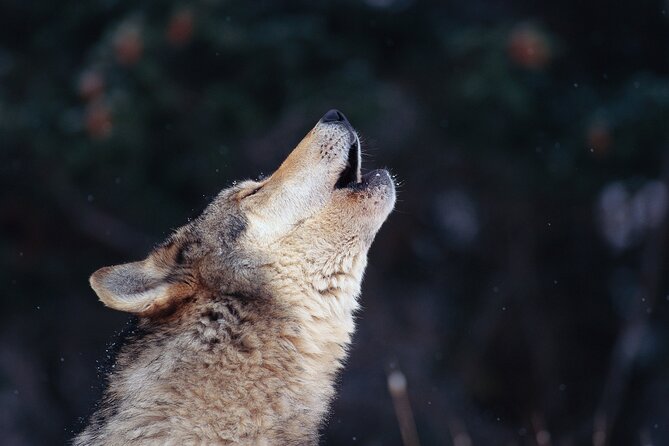
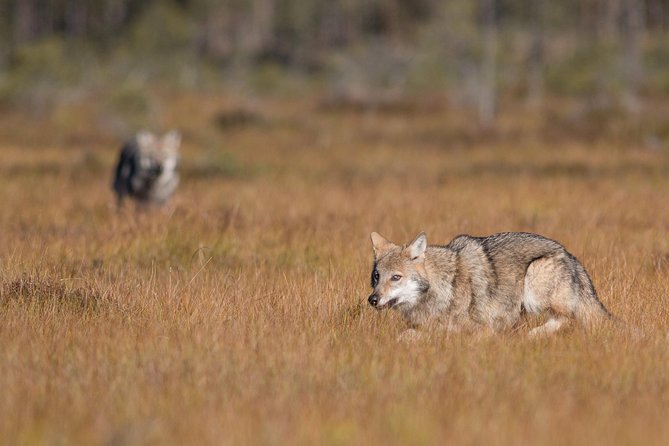
You should also know what the “wolf” part really means. Wolves are difficult to find, and hearing them is part biology, part weather, part timing, and part luck. The value of this tour is that you do not treat howling as the only win. You learn how to look for signs, and you practice calm night listening so the whole experience lands, even if the soundtrack is quiet.
Also within reach of Sweden:



Price, group size, and what $963.13 is really buying
At $963.13 per person, this is not a budget day trip. So you need to judge it by what’s included and how specialized it feels.
Here’s what pushes the value higher:
- Two days with two nights in the forest: you’re not just stopping by for an hour.
- Guided instruction tied to wolf conservation: you’re not only walking, you’re learning what territory looks like and why wolves behave the way they do.
- Provided camping equipment: you’re told not to bring your own gear, which usually costs money, space, and effort on travel days.
- Small group size (maximum 7 travelers): with a quieter group, the experience is easier to manage and more likely to stay focused.
What’s also clear is how the tour reduces hassle for you. You meet at Köping at 12:00 pm, then you transfer and repack before heading out. That “storage to forest” flow is built to make the wilderness part work smoothly for small groups.
The one thing to keep in mind is that this price also reflects the reality of wildlife tourism in Scandinavia. You’re paying for time in the right habitat with the right people, not a guaranteed animal show.
Day 1: leaving Köping and stepping into wolf territory
You start at Köping train station at 12:00 pm. From there, you drive to a storage area where everything gets repacked into the backpacks. That matters more than it sounds. If you’ve ever tried to travel light and then realized you still needed the right forest setup, you’ll appreciate this. They handle the gear organization so you can focus on the trek.
Once everyone is set, the group leaves civilization behind and heads to a nearby forest area associated with a resident wolf family. Your first big activity is a forest hike to set up camp. The tone is active, but not rushed. This is when you start getting your bearings in the woods and learning what “near wolf country” feels like in real time.
A key detail: you spend the first night in hammocks. That’s part of the experience style. It keeps you in camp, close to the rhythm of the forest, instead of breaking the night into hotel comfort. It also sets you up for what comes next: campfire warmth and an outdoor feast.
What I like about the Day 1 pacing
- You arrive, repack, hike, then settle. It’s not “run straight to the dark listening spot.”
- You get a full evening in the woods rather than a quick photo-and-go moment.
- The overnight setup helps the second day make sense, because you already know what the camp routine feels like.
Night one: hammocks, campfire cooking, and wolf listening mode
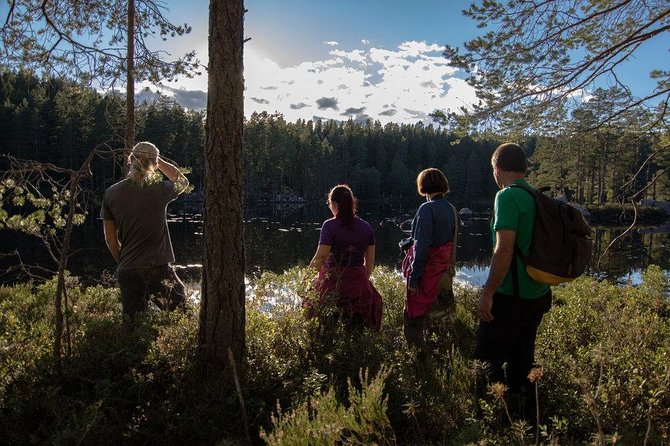
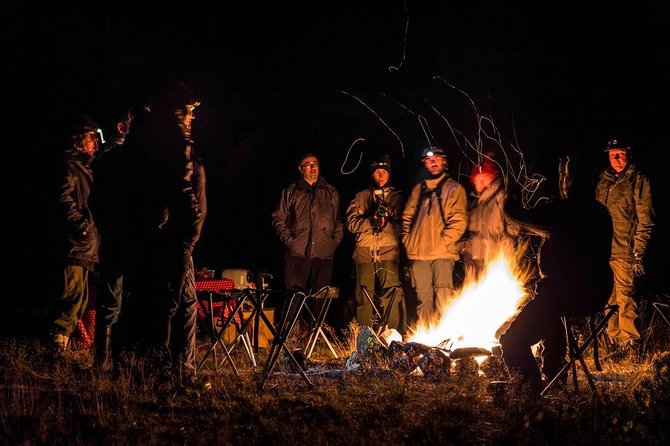
The first evening has a classic wilderness flow: fire going, people gathered, food cooked outdoors, and the night sky taking over once the sun goes down. The tour doesn’t pretend that you can control the wolves. Instead, it builds patience.
After dinner, you wait in anticipation. That wait is not passive boredom. It’s the start of your listening practice. In wolf territory, sounds carry and silence is part of the experience. One of the standout feelings from this kind of setup is how your brain starts tracking movement and distance differently than it does in a city.
You’ll also notice a pattern in the best feedback: the strongest moments are often described as a mix of sound plus evidence, like signs that you’re in wolf country. Even when the howling is the highlight, the overall “we were really there” feeling comes from the time spent learning and observing.
Comfort-wise, expect hammocks and outdoor cooking as the core experience elements. One review even mentioned yoga and meditation during the wilderness retreat vibe, and another guest noted a hot sauna at Shambala. Those are not universal guarantees based on the overall itinerary, but they show the trip can add wellbeing touches to the outdoors time.
Same daylight, a different plan:
- Stockholm: Archipelago Boat Tour
★ 4.4 · 3,110 reviews - Stockholm: Paradox Museum Entry Ticket
★ 4.2 · 3,031 reviews - Stockholm: Highlights Boat Tour
★ 4.2 · 2,845 reviews
Day 2: breakfast, tracking signs, and a headlamp walk for night listening
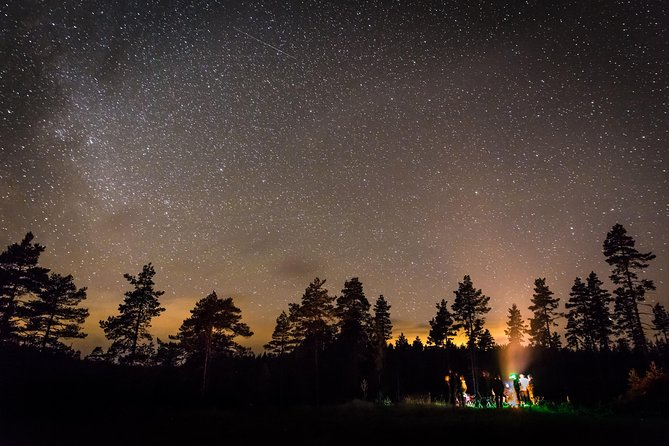
Day 2 starts with a forest breakfast. There’s steaming coffee and tea, which is exactly what you want before more time outside. If conditions are promising, you may also go out for a morning excursion. This is where the trip shifts from “settle in” to “read the environment.”
The main activity is tracking and watching. You’re taught to look for telltale signs like paw prints and droppings. That’s important because it turns the trip into learning, not guessing. Wolves are famous for being hard to spot, so if you know how to look, you can still feel connected even when you can’t see them.
Then you get a series of conservation and behavior questions that keep the learning practical and fun. You’ll talk about:
- What defines a wolf territory
- Why wolves howl
- Who’s the leader of the pack
- How many wolves it takes to kill a moose
That last one is the kind of question that sounds wild at first, but it helps you understand that wolf behavior fits into an ecosystem. It’s not fantasy. It’s survival math.
Night two: quiet listening on rugged terrain
As night falls, you switch to a silent walk with headlamps. The group moves through rugged terrain to a strategic listening spot, and then you settle in. The goal is to hear wolf howls, but the method is what you should pay attention to. Less noise, more stillness, better listening.
This is where small group size really pays off. With fewer people, you can keep the listening atmosphere calmer, which improves the experience regardless of whether howls arrive.
Some guests reported seeing other wildlife while out in wolf country, including a moose and a badger. That’s not something you should count on, but it’s a reminder that wolf territory often overlaps with other animals and signs.
Day 3: morning watch, one last breakfast in the trees, then back to civilization
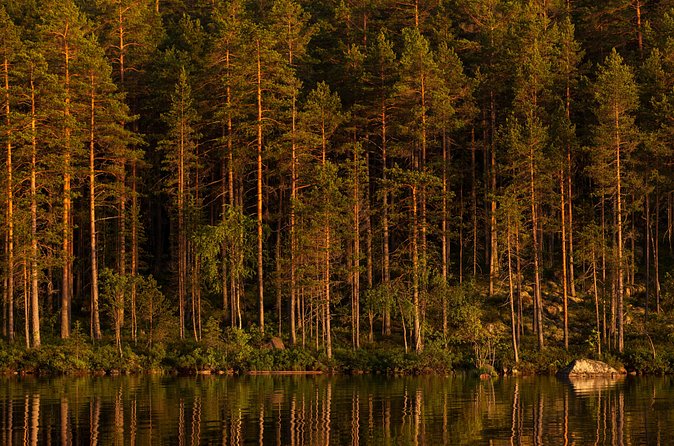
You get another morning in the forest with breakfast served in the trees. Then you have a final chance to track and watch before it’s time to pack up and head back toward the human world.
This day is shorter, with the focus on closure rather than building more camp days. You go from “learning and listening” to “wrapping up,” which is a good way to end. By the time you return, you’ve had multiple chances to practice the same core skills: observing, tracking signs, and listening.
One practical suggestion that came up is to consider staying the next night in Stockholm for a proper shower and a real bed. If you’re flying, that can be a smart way to turn a wilderness escape into a smoother travel day.
Guides and learning style, with names you might hear in the group
This is a guide-led experience, and the best parts are tied to how people share information while keeping the mood respectful.
You’ll meet guides such as Marcus and Christiana (spelled both Marcus and Markus in different places), and you may also work with other guides including Ronja, Simon, Per, and Mary. Across the feedback, what stands out is how they combine humor with genuine care for the wilderness.
In practice, that kind of guiding matters because wolf territory can feel intimidating. When you feel safe and guided, you’re more likely to slow down and truly pay attention. And when you learn the biology and behavior side, you stop treating the wolves like a rare fireworks show. You treat them like wild animals doing what they do.
I also like that the tour doesn’t just talk. It puts you in situations where you can use what you learn, like tracking signs during the day and listening at night. That turns the education into something you feel, not just something you hear.
Outdoor meals, vegetarian options, and why gear support matters
Food is part of the wilderness memory here. You’re not eating a boxed sandwich while thinking about the forest. You get an outdoor feast on the first night and breakfast in the trees both mornings. Coffee and tea show up in the morning routine, which helps you stay present and not just cold and tired.
One detail that’s worth flagging if you have dietary needs: you should advise your dietary requirements at the time of booking, and at least one vegetarian meal has been reported. That’s a helpful sign, because outdoor cooking can sometimes be flexible or sometimes not, depending on the setup.
Gear support is another quality-of-life factor. You’re encouraged not to bring your own camping equipment. That means you can travel with a simpler bag and avoid the risk of showing up with the wrong items for hammock nights in Sweden.
Managing expectations: how to get the best experience, even without howling
Let’s be real. You can do everything right and still not hear wolves. The trip’s own reality checks are part of what makes it feel honest. Wolves are completely wild, and you’re in their territory.
So how do you get the best outcome? I’d plan mentally around three wins:
- You learn to identify wolf territory clues during the day
- You practice calm night listening without forcing movement
- You enjoy the forest experience as a living place, not a staged event
When howling does happen, it tends to feel majestic because it’s rare and because you’re quiet enough to actually receive it. But even without howling, you should come away with a better understanding of wolf behavior and the conservation challenges that come with living alongside wild populations.
Weather and night conditions will affect sound travel, so your listening experience can change. Don’t treat silence as failure. Treat it as part of the species doing its own thing.
Should you book the Wolf Howl Experience?
You should book this tour if you want a small-group, conservation-minded wolf experience in central Sweden, and you value learning as much as hearing. The combination of Scandinavian Wolf Project support, provided camping setup, and time spent tracking and listening in wolf territory makes it feel like more than a hunt for a single moment.
You might skip it if you need guaranteed wildlife sounds or if hammock nights in the forest are a hard no for your comfort level. Also, keep the moderate physical fitness note in mind, since you’ll hike and move through rugged terrain on dark walks.
If you’re the type of traveler who enjoys patient nature time, likes being outdoors after dark, and doesn’t mind that the wolves set the schedule, this is a strong choice. And if you want a “wow” memory, the best feedback consistently points to the same thing: when the wolves do answer back, it hits deep.
FAQ
Where does the tour start?
The meeting point is Köping, Sweden, at Köping train station. Start time is 12:00 pm.
How long is the Wolf Howl Experience?
It runs for about 2 days.
What language is the tour offered in?
The tour is offered in English, and you receive a mobile ticket.
Is the group size limited?
Yes. The tour has a maximum of 7 travelers.
Is camping gear provided?
Yes. You’ll use provided camping equipment and are advised to avoid bringing your own gear.
Is the wolf howling guaranteed?
No. Wolf encounters are not guaranteed since wolves are wild animals, and hearing howls depends on conditions and chance.
New on the Sweden pages
- Discover Stockholm’s Christmas Market Magic with a Local★ 5.0 · 1 review
- Stockholm Tour + Drottningholm Palace by VIP car PRIVATE Guide★ 5.0 · 1 review
- Deluxe Stockholm Tour with Vasa Museum from Cruise Port★ 4.0 · 1 review
- First Class Airport Limousine Transfer: Arlanda Airport to Stockholm City★ 5.0 · 1 review
- Grebbestad: boat tour private★ 5.0 · 1 review
- Self-guided Food Tour in Malmö★ 3.0 · 1 review
- Malmo: Insta-Perfect Walk with a Local★ 5.0 · 1 review