Reviewed · GUIDED
Stockholm: Underground Metro Art Ride with a Local Guide
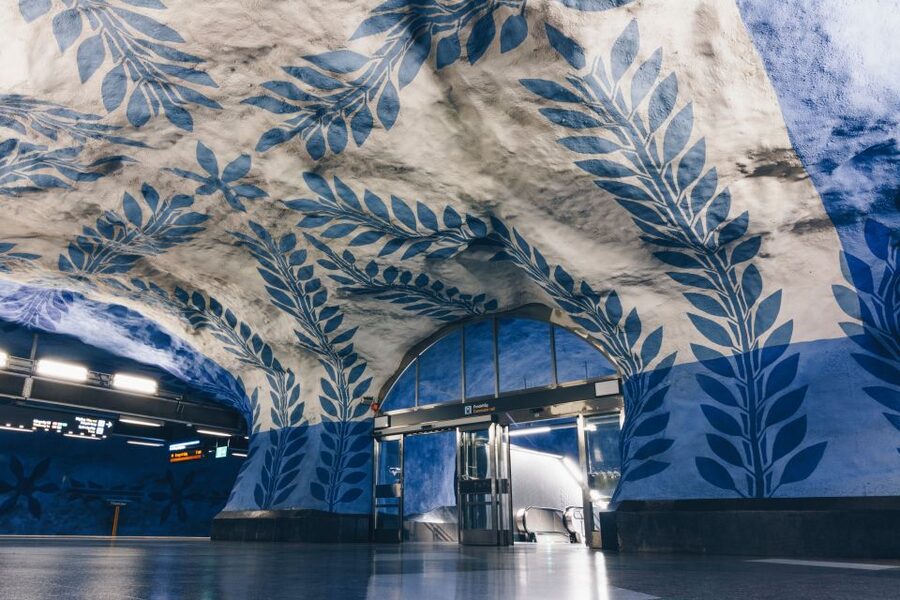
The subway can feel like a time machine. This small-group ride turns Stockholm’s metro into a living art museum, with a local guide pointing out works you’d miss on your own and connecting them to how Swedish culture changed. You’ll also get useful local tips for food and drinks, so the tour quietly improves the rest of your trip.
I especially like how the guide links art to the city, not just the station walls. I also like that you’re riding with a small group for about 1.5 to 2 hours, with the metro ticket sorted.
One possible drawback: at $128 per person, it’s best when you truly enjoy public art and stories, because it’s not a long sightseeing day.
In This Review
- Key highlights
- Stockholm’s Subway, the World’s Longest Art Gallery
- Meeting by T-Centralen and Building a Smart Underground Route
- Swedish Art Timeline You Can Actually See, From the 1950s Onward
- What You’ll Notice at Each Stop: Style, Craft, and Street-Level Meaning
- Ancient Columns and Other Historical Clues Underground
- Local Guide Tips That Improve the Rest of Your Trip
- Price, Value, and When It Feels Worth It
- Who Should Book This Metro Art Tour (and Who Should Skip It)
- Should You Book This Underground Art Ride?
- FAQ
- How long is the Stockholm Underground Metro Art Ride?
- Where do we meet for the tour?
- Is the subway ticket included?
- How big is the group?
- What languages are the tours offered in?
- What should I bring?
- Is the tour suitable for people with mobility impairments?
- Is there free cancellation?
Key highlights
- Stockholm’s metro as a museum, with art across 110 stations and more than 90 installations
- A local guide who adapts stops to your pace and interests (typically up to 8 people)
- A Swedish art timeline, from the 1950s through later decades up to the 2000s
- Multiple art forms, including paintings, mosaics, sculptures, reliefs, and changing installations
- Extra context underground, including archaeological finds like ancient columns
- Food and nightlife pointers, from cafes and restaurants to bars and lesser-known spots
Stockholm’s Subway, the World’s Longest Art Gallery
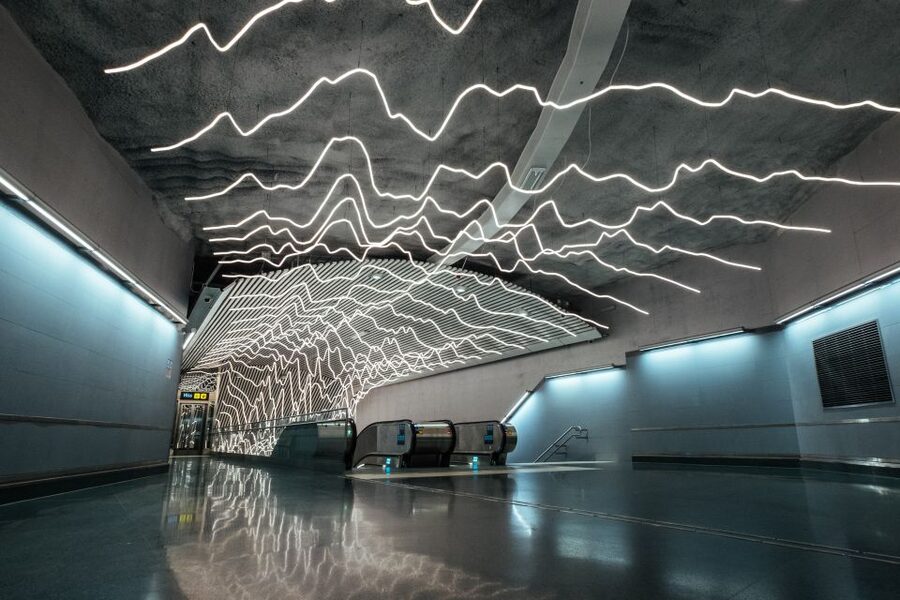
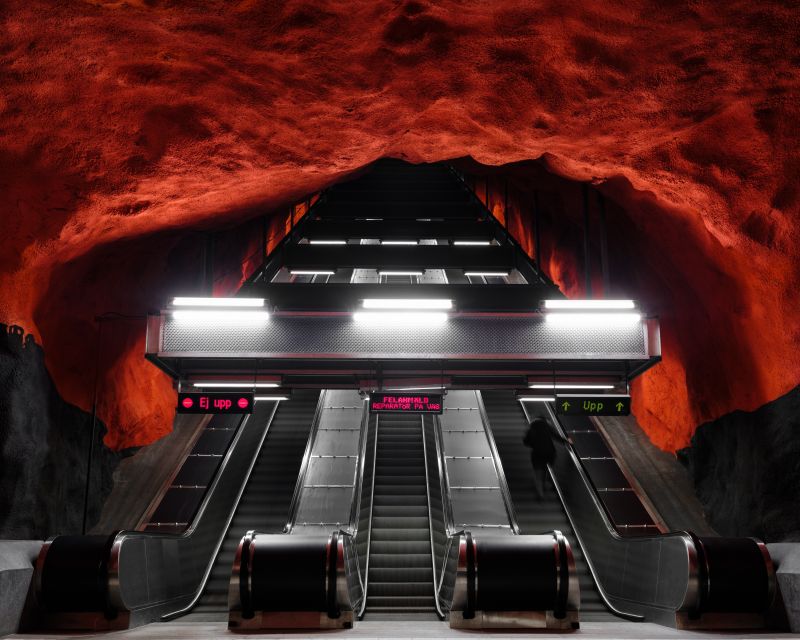
Stockholm’s metro is famous for a reason. It’s not just functional, it’s art on the move, with over 90 public art installations spread across 110 stations. The result is that every ride becomes a quick detour into Swedish creativity.
What makes this tour worthwhile is that you don’t just walk past the artwork. You learn to “read” it. You’ll see works by 150-plus artists, covering decades from the 1950s to the 2000s, and you’ll get help understanding how the style, themes, and materials reflect changing ideas over time.
The art isn’t limited to one look, either. Expect to encounter mosaics and paintings as well as sculptures and reliefs, plus installations that can feel like they’re meant for the moving rhythm of the subway. That range matters because it shows you why Stockholm’s metro stays interesting even after you’ve seen one or two stations.
And yes, there’s history down there, too. The tour adds archaeological context, including ancient columns you can spot in the underground space, which gives the whole experience an extra layer beyond modern art.
A few more Stockholm outings to weigh up



Meeting by T-Centralen and Building a Smart Underground Route
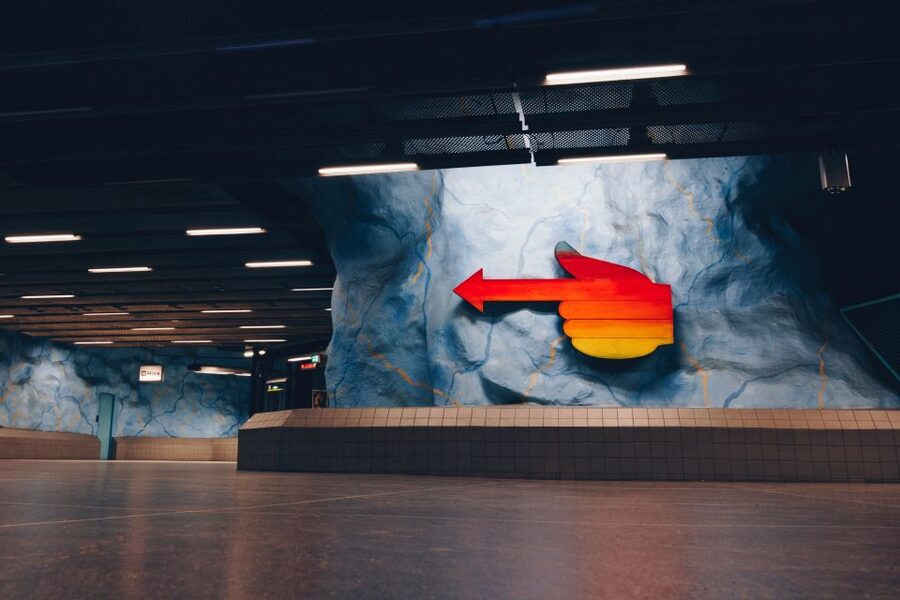
The meeting point is right where you’ll probably already be: T-Centralen metro station, on the right side of the flow near the entrance area, in front of the Nils Ericson statue. This is a practical spot because it helps you avoid extra transit puzzles before you even start the experience.
Plan for about 1.5 to 2 hours total, and know the pace is adjusted to your group. The route can shift based on weather and what fits your interests, so you’re not stuck doing a rigid highlight circuit that ignores what you actually want to see.
This is also a small-group setup, up to 8 travellers, which changes the feel immediately. You can ask questions, get clearer explanations, and keep up without getting pulled along like cargo. That matters underground, where stairs, platforms, and crowding can make self-guided wandering stressful.
Bring comfortable shoes. The metro has stairs and uneven surfaces, and you’ll be moving between stations. Also bring a charged smartphone, because you’ll likely want to take notes and photos as you go. (And since you’re inside a working subway, having the screen ready helps you capture what you want before it slips away.)
One note for planning: it is not suitable for people with mobility impairments, so if accessibility is a concern, you’ll want to choose a different way to explore.
Swedish Art Timeline You Can Actually See, From the 1950s Onward
The tour is designed like a visual history lesson, except you’re walking through it. You’ll experience Swedish public art as it evolves, from mid-century works into later decades reaching the 2000s. The guide helps you notice shifts in style and ambition, so it feels like you’re watching time pass instead of checking boxes.
Here’s the practical win for you: without a guide, it’s easy to treat each station like a pretty room. With context, you start asking better questions. Why does one station feel more sculptural? Why does another lean toward pattern or texture? Why do some installations feel fixed while others feel like they belong to the flow of transit?
You’ll also get a sense of how many artists contributed to this underground gallery. With over 150 artists involved, the point isn’t that one style dominates. It’s that Stockholm chose to turn public space into a platform for creativity, and it kept doing that across decades.
Expect the guide to choose standout pieces you might overlook. The installations are spread out, and some are subtle. A good guide helps you spot what’s going on at eye level, then nudges you to look again at details you’d otherwise ignore, like materials, composition, or the way artwork sits with station architecture.
And yes, there are changing installations. That keeps the experience from feeling like a one-time checklist, and it also means the guide can adapt what you see based on what’s currently on display.
What You’ll Notice at Each Stop: Style, Craft, and Street-Level Meaning
You’ll see several art types, and each one changes how you experience the station. Mosaics can make you slow down, because your eyes need time to connect the tiles into a bigger image. Paintings often reward a steady look, especially when lighting and distance play tricks on what you think you’re seeing.
Sculptures and reliefs tend to give you a different kind of satisfaction. Instead of staring straight ahead, you’ll find yourself shifting your angle to understand the form. That’s one reason I like doing this with a guide. They can help you look from the right place, not just stand where it’s easiest.
Then there are installations that feel intentionally “built into” the station. Those can be harder to appreciate when you’re rushing. With a guided stop, you get permission to take a breath, notice how the art interacts with movement, and connect the artwork to the station’s identity.
A really important part of the tour is that you don’t just get facts about the art. You get a better sense of why the city treats the metro as public space. The artwork isn’t isolated. It’s part of daily commuting life, and that changes the stakes. You start seeing the metro as a civic decision, not a gimmick.
Guides also tend to point out what you might miss. That might mean a small detail at platform level, a relief that only reads correctly from a certain angle, or a piece you’d normally walk past while focused on the train. This is where the guided format pays off most.
Ancient Columns and Other Historical Clues Underground
The metro art gets most of the attention, but the tour also brings in archaeology. You’ll get shown historical remnants in the subterranean setting, including ancient columns. That combination works because it reminds you the city’s layers do not reset underground.
When you see artwork and then spot older structures or finds, Stockholm starts to make more sense as a place that builds on itself. It also changes the pace of the tour. You stop thinking only about modern design and start noticing how space has been reused and reinterpreted.
This is one of those details that can turn a good tour into a memorable one. You’re walking through an environment that is both functional transit and a public exhibition, while also getting hints of what the area used to hold. Even if art is your main reason for booking, the added history helps the experience feel more grounded and less like an artificial museum setting.
And because this is guided, you’ll know what to look for. Archaeological clues can be subtle, especially in a busy station. A local guide helps you recognize them instead of glossing over them while you’re thinking about the next train.
Same daylight, a different plan:
- Stockholm: Archipelago Boat Tour
★ 4.4 · 3,110 reviews - Stockholm: Paradox Museum Entry Ticket
★ 4.2 · 3,031 reviews - Stockholm: Highlights Boat Tour
★ 4.2 · 2,845 reviews
Local Guide Tips That Improve the Rest of Your Trip
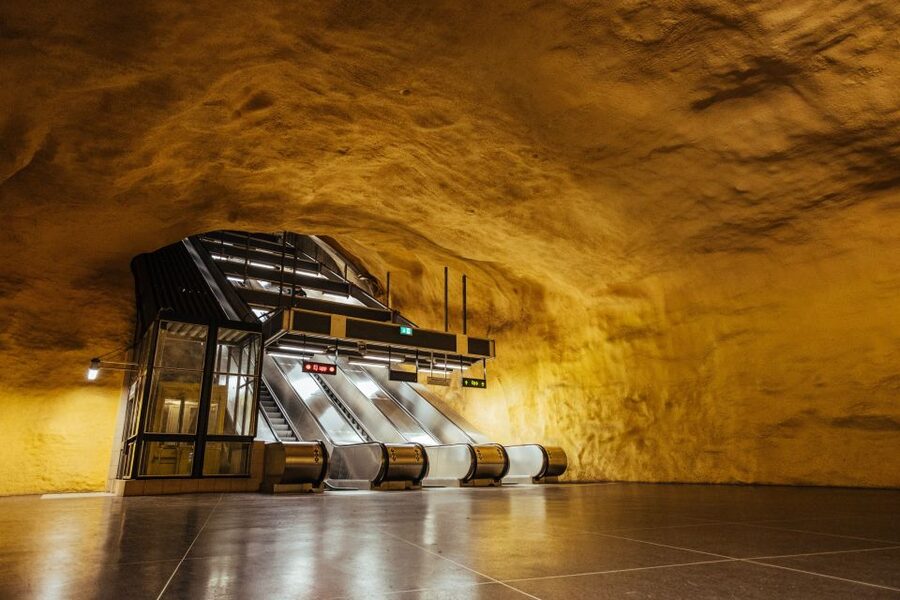
One of the best parts is what happens after the art. Your guide shares local recommendations, including the best bars, cafes, and restaurants, plus ideas for undiscovered gems. This is practical advice, not generic pamphlet stuff, because it’s tied to your walking route and your interests.
It also gives you a reason to stay curious. If you’re the type who likes to wander, these tips can point you toward neighbourhood-friendly spots that fit what you’ve just seen underground. You’ll leave with a sense of Stockholm beyond big attractions.
The quality of the guidance matters here. The tour has seen guides who go above standard expectations. For example, Agneta has been described as informative and kind, even picking participants up in their hotel lobby and staying longer to show an additional station. That kind of extra attention is a strong signal that you’re not just buying a route, you’re buying care.
Another guide, Rikta, has been highlighted for being professional, well informed, and accommodating. If that’s the norm, you can expect explanations that stay clear and engaging while you’re moving through the stations.
And since the itinerary can adapt to your walking pace and preferences, you’re less likely to feel rushed. You should feel like the tour fits you, not the other way around.
Price, Value, and When It Feels Worth It

The price is $128 per person for a 1.5 to 2 hour small-group experience, with the subway ticket included. That’s not a bargain, and you should treat it like a quality guided activity, not a casual add-on.
So where is the value coming from? Mostly from interpretation and efficiency. You’re paying for a local guide who helps you understand the evolution of Swedish public art, points out installations you might miss, and adds context like archaeological finds. Without that layer, you could still ride the subway, but it would be much easier to overlook what you’re actually seeing.
It’s also value for your time. Stockholm is easy to explore on foot, but the metro can be confusing for newcomers. This tour handles the route logic for you and keeps the group together, which is especially helpful underground.
One consideration is simply the economics. A comment calling the tour too expensive is a reminder to assess your priorities. If you mainly want iconic sights and scenery, this might feel like a splurge for a short window. But if you’re the kind of person who enjoys art in everyday places, the subway gallery becomes a bigger payoff per hour.
You’ll probably feel the best value if you can commit to paying attention. This isn’t a “look and go” tour. You’ll want to listen, take photos, and actually notice details.
Who Should Book This Metro Art Tour (and Who Should Skip It)
This is a smart choice if you fit one of these profiles:
- You love public art and want the meaning behind the visuals
- You’re a first-timer in Stockholm who wants a local lens quickly
- You enjoy walking with a guide and asking questions in a small setting
- You want a day that mixes culture with practical local tips, not just ticketed landmarks
It may be less ideal if:
- You have limited mobility, since it is not suitable for people with mobility impairments
- You dislike guided tours or prefer to move at your own pace with no explanations
- You’re on a strict budget and feel $128 is hard to justify for a short experience
If you’re unsure, ask yourself one question: do you want help understanding what you’re looking at? If yes, the format makes sense. If no, you might prefer a self-guided approach.
Should You Book This Underground Art Ride?
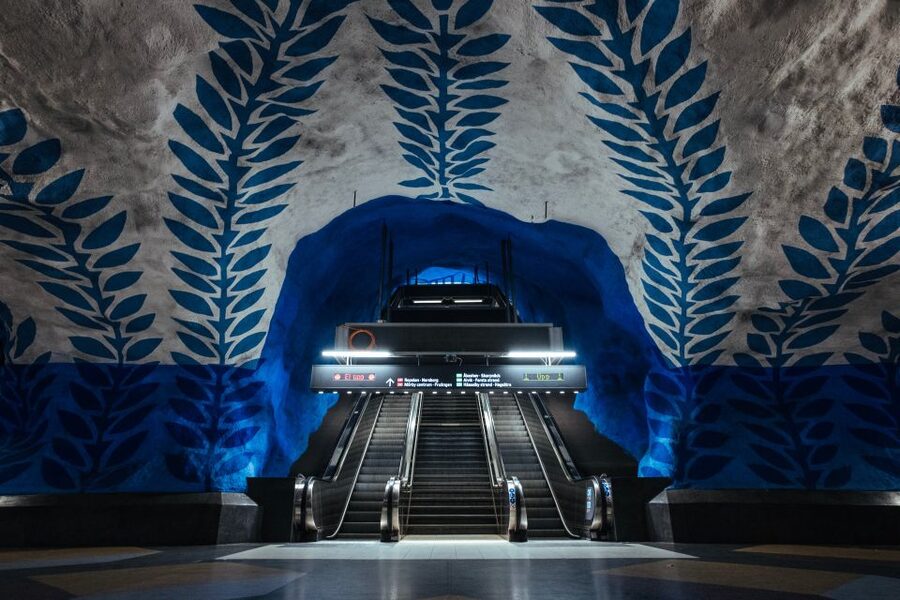
If you’re drawn to the idea of Stockholm treating the metro like a public gallery, I’d book it. The included metro ticket, the small-group size, and the focused art timeline from the 1950s through later decades make this one of the most “useful fun” ways to see the city quickly.
The deciding factor for me is the guide experience. When guides like Agneta and Rikta are known for being engaging, accommodating, and detail-minded, you’re not just getting access to pretty stations. You’re getting a story you can carry with you when you step back into daylight and choose where to eat and drink.
If you’re excited about art you can stumble onto, and you like local recommendations that help your evenings, this tour is a strong fit. If you’re indifferent to public art, you may want to save the money.
FAQ
How long is the Stockholm Underground Metro Art Ride?
It runs about 1.5 to 2 hours.
Where do we meet for the tour?
Meet right next to T-Centralen metro station, in front of the Nils Ericson statue.
Is the subway ticket included?
Yes. The metro ticket is included, so you do not need to buy one separately for the tour.
How big is the group?
This is a small-group tour with up to 8 travellers.
What languages are the tours offered in?
The live tour guide is available in English and Swedish.
What should I bring?
Wear comfortable shoes and bring a charged smartphone.
Is the tour suitable for people with mobility impairments?
No. It is not suitable for people with mobility impairments.
Is there free cancellation?
Yes, you can cancel up to 24 hours in advance for a full refund.
New on the Stockholm pages
- Stockholm Tour + Drottningholm Palace by VIP car PRIVATE Guide★ 5.0 · 1 review
- Discover Stockholm’s Christmas Market Magic with a Local★ 5.0 · 1 review
- Deluxe Stockholm Tour with Vasa Museum from Cruise Port★ 4.0 · 1 review
- First Class Airport Limousine Transfer: Arlanda Airport to Stockholm City★ 5.0 · 1 review
- Stockholm Shore Excursion from Cruise Port★ 5.0 · 1 review
- Stockholm Old Town Walking Tour + Archipelago Cruise★ 5.0 · 1 review
- Stockholm History Walking Tour★ 5.0 · 1 review
Guided, compared.

City Archipelago Sightseeing Cruise with Guide
Read our review →
Stockholm Gamla Stan: Old Town Walking Tour with Local Guide
Read our review →


Royal Bridges & Canal Boat Tour with Audio Guide
Read our review →