
Reviewed · CITY SIGHTSEEING IN STOCKHOLM
Stockholm City Center: Kungsträdgården Norrmalm Guided Tour
Stockholm hides power in plain sight. This small-group winter walk through Kungsträdgården turns central Stockholm into a story you can actually walk through, not just look at from a postcard view, with Kungsträdgården as the heart of it. You’ll cover the areas many people skip when they rush straight to Gamla Stan, and you’ll get guided, research-based context as you go.
I love that the route starts at St Jakobs kyrka and quickly pulls you into the old-money world around Blasieholmen, including the Swedish Match landmark Tändstickspalatset. I also like the ending, where you warm up with Swedish fika at the National Museum. One consideration: it’s a winter stroll, so you really need warm shoes and you should expect cold wind and uneven surfaces.
In This Review
- Key points worth knowing before you go
- Where Kungsträdgården Really Fits in Stockholm’s Story
- St Jakobs kyrka to a Six-Person Winter Pace
- Blasieholmen: Old Money, Gentlemen’s Clubs, and Behind-the-Façade Power
- Tändstickspalatset and the Swedish Match Building Story
- Kungsträdgården: Karl XII, Burned Palaces, and a Park with Politics
- Discreet Clubs, Meeting Houses, and WWII-Era Loyalties
- Skeppsholmen: Naval Heritage in City Form
- Ending at the National Museum, With Fika to Reset Your Hands and Head
- Price and Value for a $31 Six-Person Winter Tour
- Who This Tour Fits Best (And Who Might Be Happier Elsewhere)
- Should You Book This Stockholm City Center Winter Tour?
- FAQ
- How long is the Stockholm City Center: Kungsträdgården Norrmalm guided tour?
- Where do we meet for the tour?
- How big is the group, and is the tour in English?
- Is fika included in the price?
- What should I wear for this winter walking tour?
- Is the tour wheelchair accessible, and is there an age limit?
- Is there free cancellation?
Key points worth knowing before you go
- Max 6 people means you can actually ask questions and keep up at a relaxed winter pace
- Blasieholmen focus lets you see old-money addresses, private clubs, and the power behind the façades
- Tändstickspalatset stop connects Stockholm’s architecture to wider European themes and industrial ambition
- Kungsträdgården stories include burned palaces and the Karl XII statue controversies
- Skeppsholmen naval threads tie city buildings to Sweden’s sea heritage
- National Museum fika finish gives you a warm landing after the walk
Where Kungsträdgården Really Fits in Stockholm’s Story
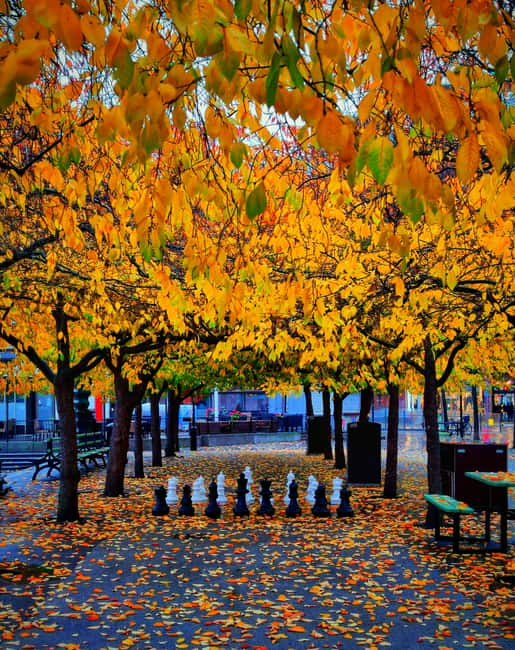
Kungsträdgården is called the King’s Garden, but on this tour it feels less like a park and more like a timeline. You move through central Stockholm and pick up how identity, status, and politics have shifted over centuries, even when buildings look calm from the street.
What makes it interesting is the framing. Instead of treating the city as a set of sights, the tour links places to power: who gathered, who influenced decisions, and how architecture quietly signals rank. You’ll spend time in districts that sit near the big sights but feel more like locals’ Stockholm.
More City Sightseeing in Stockholm
St Jakobs kyrka to a Six-Person Winter Pace
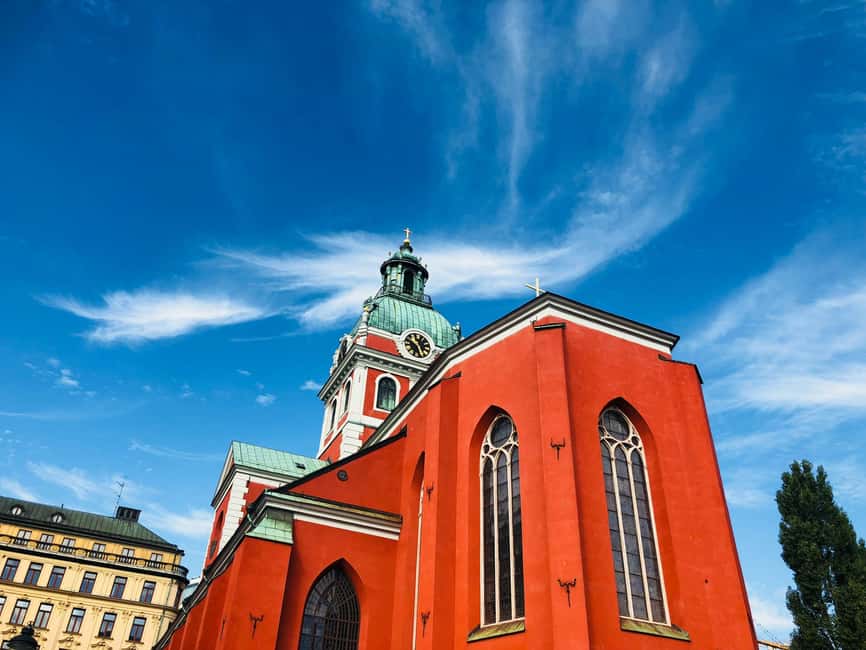
You meet right outside St Jakobs kyrka at Västra Trädgårdsgatan 2A. In winter, that matters, because the first part of a walking tour sets your rhythm. The guide’s easy to spot, usually wearing black with jeans and carrying a black umbrella.
The tour runs about 75 minutes (it can run 60 to 75). That shorter duration is a big deal in cold weather. You’re not committing to a long trek, so it’s easier to stay warm, keep your feet comfortable, and still learn a lot.
With a small group limited to six, the pace stays human. You can ask questions without the guide having to rush you along, which is especially helpful when you want details about Swedish politics, business, and the city’s elite spaces.
Practical note: this walk includes historical sites and may include uneven surfaces, so take your time on patches of ice or snow.
Blasieholmen: Old Money, Gentlemen’s Clubs, and Behind-the-Façade Power
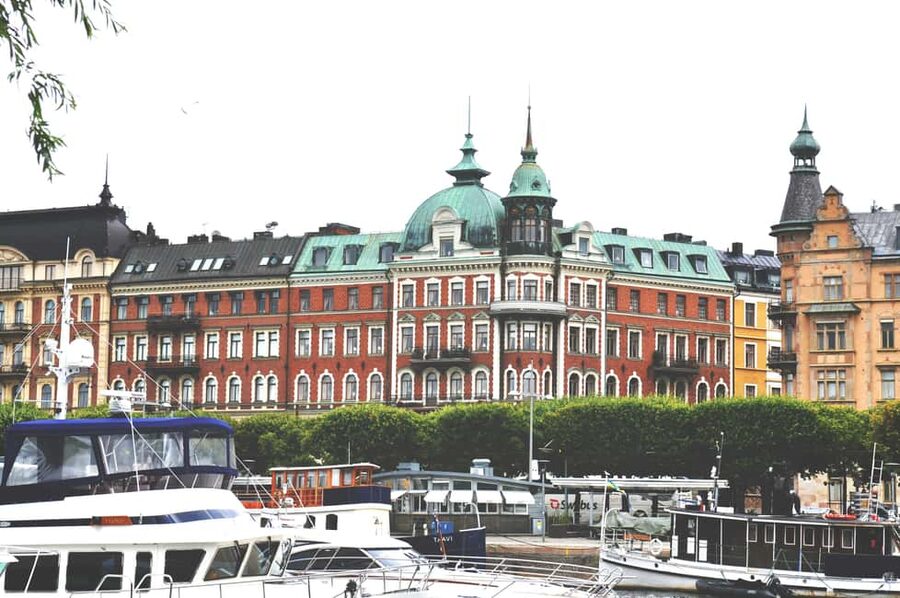
The tour begins by easing you into Blasieholmen, an elegant district where the power feels understated. From the street, you mainly see façades, but you learn what’s behind them. This is one of the tour’s strongest ideas: you don’t just look at buildings, you learn what kind of social machine they supported.
As you stroll, your guide explains how exclusive gentlemen’s clubs historically gathered in places like marble halls and private chambers. You hear how tradition and influence worked side by side, and you connect the people behind Swedish politics and business to addresses in central Stockholm.
This part works best if you like story-led walking. The route is built around research-based narration about power, intrigue, and history, and it stays grounded in what you can see: doors, courtyards, and the way certain buildings advertise status without being flashy.
Tändstickspalatset and the Swedish Match Building Story
One of the most concrete stops is Tändstickspalatset, once the headquarters connected to the Swedish Match empire. This isn’t just trivia. The tour treats the building as a clue to an era when industrial ambition shaped city identity.
You’ll learn how the landmark became a symbol of that ambition and how modern design enters the conversation through the architecture. That’s a useful lens because it makes the city feel coherent, not random.
There’s also a wider European connection: you’ll hear about links between Stockholm buildings and architecture in other European capitals. If you’ve ever wondered why certain elements look familiar across cities, this is the kind of explanation that makes it click.
Kungsträdgården: Karl XII, Burned Palaces, and a Park with Politics
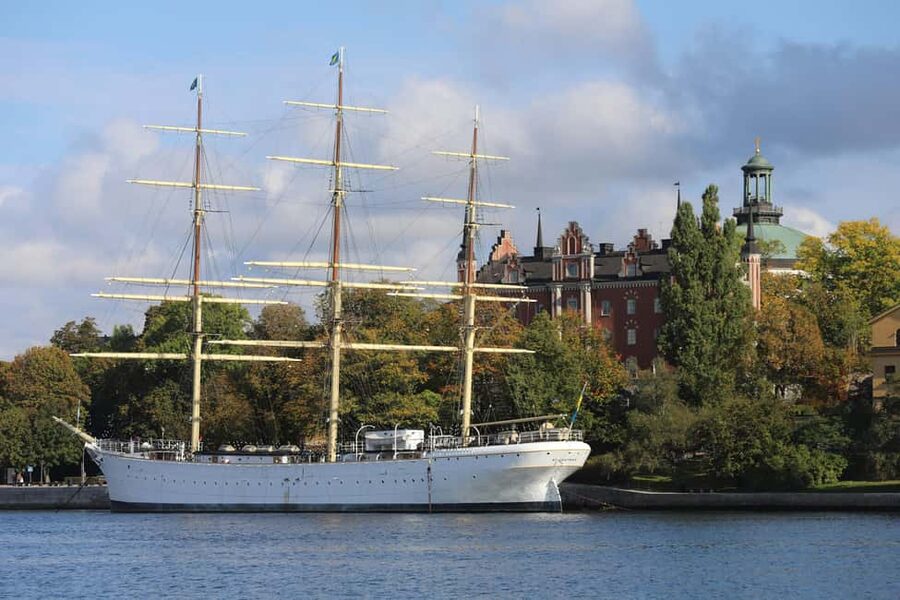
Then the tour shifts into Kungsträdgården, the King’s Garden itself. Here, you’ll hear about what stood in the space before: palaces that were consumed by fire, leaving the modern garden to carry layers of memory.
The tour also addresses the controversies surrounding the statue of King Karl XII. That detail matters because it shows how public memory is never neutral. A statue in a central garden can become a debate topic when history meets modern identity.
What I like about this section is how it avoids treating the park like a neutral green break from sightseeing. Even though you’re walking outdoors, the guide’s stories keep pulling you back to questions like: Who gets remembered, and why? It’s a small-group tour, so you can ask follow-ups if a topic hits your interest.
Same daylight, a different plan:
- Stockholm: ABBA The Museum Entrance Ticket
★ 4.7 · 11,280 reviews - Stockholm: Skansen Open-Air Museum Admission Ticket
★ 4.5 · 3,427 reviews - Stockholm: Hop-On Hop-Off Bus or Boat Option
★ 4.0 · 3,260 reviews
Discreet Clubs, Meeting Houses, and WWII-Era Loyalties
As you keep moving through central areas near Kungsträdgården, you pass discreet clubs and meeting spaces. You’re not just ticking off names. You get stories about political intrigue and quiet networks, including how Sweden played a careful role during the Second World War.
This is the section where the walking tour format really pays off. You’re learning the city’s social geography in motion, so the stories feel anchored. The guide ties what you see to the idea of loyalties that were not always loud, and influence that worked through relationships and institutions.
If you’re the type who enjoys understanding how decisions really get made, not just who the famous people are, this part will keep your attention.
Skeppsholmen: Naval Heritage in City Form
After Kungsträdgården, the route continues toward Skeppsholmen. Even if you’re not a dedicated maritime-history person, the tour gives you a simple reason to care: Stockholm’s naval heritage shaped how the city grew and how power operated.
You’ll also get architectural storytelling as you approach Skeppsholmen. The guide connects city form to sea-era priorities, including the practical logic of how a trading and naval city organizes space.
This is a nice contrast to the earlier “clubs and influence” theme. One side is social power in central addresses. The other side is Sweden’s sea heritage, where national strength and strategy shaped the city’s priorities.
Ending at the National Museum, With Fika to Reset Your Hands and Head
The tour finishes at the National Museum in Stockholm. The walk has scenic views on the way, and then you get a warm landing.
You’re welcome to end with Swedish fika there, which in plain terms means coffee or tea and a pastry in a cozy café. It’s a good move in winter because it turns the tour into a full experience, not just a cold march with a history lecture.
Important for your budget: food and drinks are not included. You’ll likely pay for what you order at the museum, but the idea is clear. You’ve spent 60 to 75 minutes outside learning stories, and now you get to warm up while the guide can point out extra context if you still have questions.
In the reviews, this fika moment comes up as a thoughtful touch, especially when the guide keeps the conversation going and offers extra details while you’re sitting comfortably.
Price and Value for a $31 Six-Person Winter Tour
At $31 per person for about 75 minutes, this tour sits in the “good value if you care about story” category.
You’re not paying for a long sightseeing bus circuit. You’re paying for time with a live guide, a tight group size, and a route that focuses on places outside the most crowded trail. That matters because winter walking tours live or die on comfort and pacing. A six-person limit helps the experience feel personal, and it makes the guide’s Q and A style possible.
Also, the price makes sense when you consider what you actually get: Blasieholmen and Skeppsholmen walking, a Kungsträdgården visit, and guided discussion of Swedish naval history and architecture, plus secret centers of power. If you only wanted broad highlights, you could find cheaper options. If you want a focused, narrative route with real context, $31 is reasonable.
One note: fika is not included, so plan a small extra amount if you want coffee and pastries as part of the ending.
Who This Tour Fits Best (And Who Might Be Happier Elsewhere)
This tour is a strong fit if you like:
- Small groups and a relaxed pace in winter
- Architecture you can read with a story attached
- Political and social history tied to real addresses
- A route that goes beyond the obvious Old Town shortcut
It’s especially good for first-time visitors who want something more “Stockholm-shaped” than a checklist, and for repeat visitors who think they already saw everything worth seeing in the center.
It might be less ideal if you:
- Need wheelchair access, since it is not suitable for wheelchair users
- Prefer very flat, easy terrain, because the walk involves sites that can be uneven
- Want a long, museum-heavy day, since this is focused on an outdoor winter walk and a museum-area finish
Also, it’s not suitable for people over 95 years, so keep that in mind when planning for older family members.
Should You Book This Stockholm City Center Winter Tour?
I think you should book if you want the feeling of a guided walk that actually explains what you’re looking at, with a group size that doesn’t freeze the conversation. The combination of Blasieholmen’s old-money atmosphere, Tändstickspalatset as a landmark tied to industry and design, and the way the tour threads Kungsträdgården into politics makes this a smart use of a winter afternoon.
You should skip it if you want a relaxed, scenery-first stroll with minimal context, or if cold weather walking will be difficult for you. In that case, save your energy for a warmer, fully indoor plan.
If you decide to go, wear warm layers, bring comfortable grip shoes, and be ready to ask questions. This is the kind of tour where curiosity pays off.
FAQ
How long is the Stockholm City Center: Kungsträdgården Norrmalm guided tour?
The tour lasts about 75 minutes, and it can run between 60 and 75 minutes.
Where do we meet for the tour?
Meet right outside St Jakobs kyrka at Västra Trädgårdsgatan 2A.
How big is the group, and is the tour in English?
It is a live guided tour in English, with a small group limited to 6 participants.
Is fika included in the price?
Food and drinks are not included. The tour ends at the National Museum, where you can enjoy a traditional Swedish fika there.
What should I wear for this winter walking tour?
Bring warm clothing and wear warm shoes. The walk can be windy and snowy, and you may encounter uneven surfaces.
Is the tour wheelchair accessible, and is there an age limit?
It is not suitable for wheelchair users and it is not suitable for people over 95 years.
Is there free cancellation?
Yes. You can cancel up to 24 hours in advance for a full refund.
New on the Stockholm pages
- Stockholm Tour + Drottningholm Palace by VIP car PRIVATE Guide★ 5.0 · 1 review
- Discover Stockholm’s Christmas Market Magic with a Local★ 5.0 · 1 review
- Deluxe Stockholm Tour with Vasa Museum from Cruise Port★ 4.0 · 1 review
- First Class Airport Limousine Transfer: Arlanda Airport to Stockholm City★ 5.0 · 1 review
- Stockholm Shore Excursion from Cruise Port★ 5.0 · 1 review
- Stockholm Old Town Walking Tour + Archipelago Cruise★ 5.0 · 1 review
- Stockholm History Walking Tour★ 5.0 · 1 review
City Sightseeing in Stockholm, compared.

City Archipelago Sightseeing Cruise with Guide
Read our review →
Guided City Sightseeing Open Electric Boat Tour
Read our review →
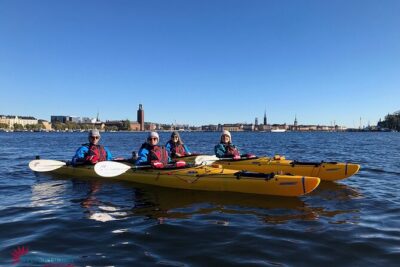
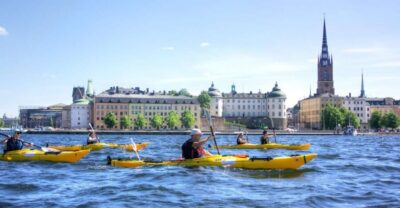
Guided Kayak City Tour & Optional Midsummer Meal
Read our review →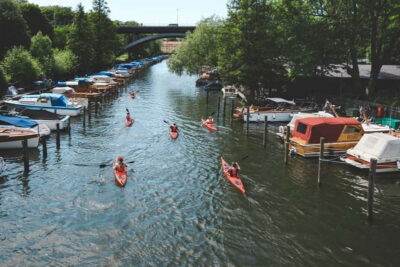
Browse the lists this tour appears in