
Reviewed · HISTORY TOURS IN STOCKHOLM
Small Group Swedish Church History 5h Tour to the countryside from Stockholm
Medieval churches start right outside Stockholm. This small-group Swedish church history trip takes you into the rural parishes north of the city, where you can see frescoes from the 1400s and rune stones tied to local names. My favorite part is how the guide connects what you see to how churches were built, altered, and decorated over centuries, even though it is a fast, 5 to 6 hour route. One drawback to plan for: lunch is not included, so you will want a snack and timing strategy.
I like that you get hotel pickup, then you spend your day with just your guide and a small group (up to 16). The tour is led by Olaf, who came across as very communicative and willing to tailor the day to what we wanted to focus on. If you hate walking around churches for photos, this may feel like more stop-and-go than you expect, but it is a great format for serious art and history fans.
In This Review
- Quick hits before you go
- A 5 to 6 hour circuit of church history, starting at 10:00 am
- Getting from Stockholm to rural parish life, with pickup and a small-group drive
- Täby Church: late 15th-century frescoes and the art of church walls
- Vallentuna Church: a 1750 reformation-era room, stone master signatures, and Jarlabanki
- Orkesta Church: 1450 frescoes, a 1750s altar piece, and a medieval cross from 1325
- How construction and “epoch art styles” make the day click
- Olaf, your guide, and why the small-group format matters
- Price and value: what $235.13 buys you for 5 to 6 hours
- Practical tips for a smoother church day
- Who this tour is best for (and who might want something else)
- Should you book Small Group Swedish Church History near Stockholm?
- FAQ
- What time does the tour start?
- How long is the tour?
- Is lunch included?
- Do I get hotel pickup?
- How many people are in the group?
- Can children and service animals join?
Quick hits before you go
- Small group max 16 means you get time for real questions and less waiting around.
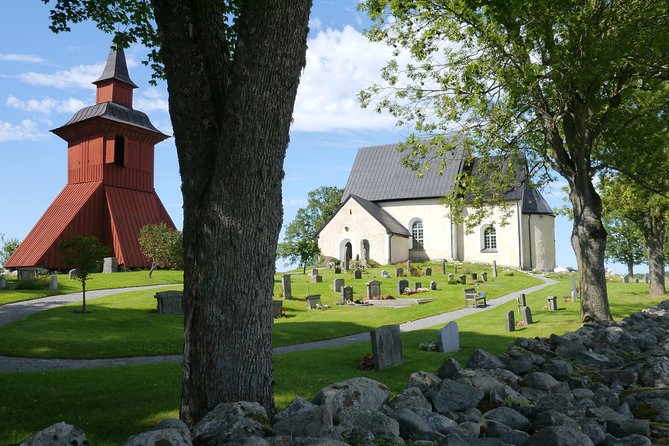
- Countryside parishes near Stockholm feel like Sweden beyond the usual city highlights.
- Täby, Vallentuna, and Orkesta churches each bring a different art layer, from late 1400s frescoes to 1700s furnishings.
- Runes and stone masters give you a rare look at how people marked identity and craft in the Middle Ages.
- Fresco details from specific periods (including 1450 and the late 15th century) help you read the churches like a timeline.
- Hotel pickup and a set start time (10:00 am) make the logistics straightforward.
A 5 to 6 hour circuit of church history, starting at 10:00 am
This is a half-day, 5 to 6 hour outing with a 10:00 am start, so you are not committing an entire day to church interiors. The payoff is that you get multiple stops in a single trip, instead of trying to coordinate rural sites on your own with limited time.
The group size stays intimate, with a maximum of 16 people, which matters when you are standing in old stone spaces. You can actually hear the guide and step aside to look closely at wall paintings and details without feeling like you are in a queue.
More History Tours in Stockholm
Getting from Stockholm to rural parish life, with pickup and a small-group drive
You begin with pickup from your hotel. The ride out runs in whatever vehicle fits the group size, from a car or minivan to a bus, so the day starts easy and you can stay focused on the theme.
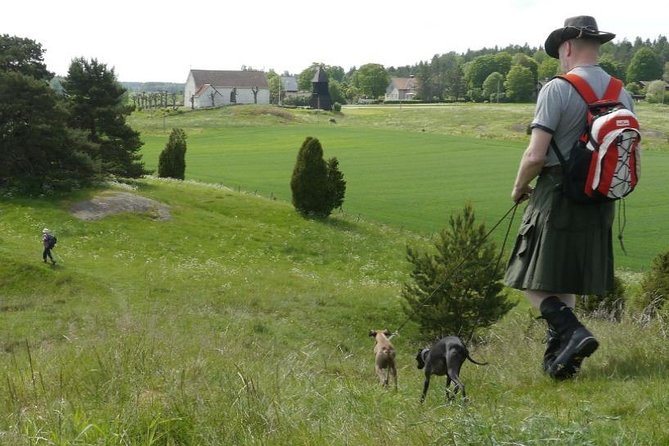
Once you are out of the city, the places feel quieter and more human-scaled. You are visiting strategic church locations in the countryside, which helps you understand why these communities built and preserved these buildings where they did. For me, that rural context is half the lesson, because these churches are not just museum objects. They are tied to local life and local identities.
Täby Church: late 15th-century frescoes and the art of church walls
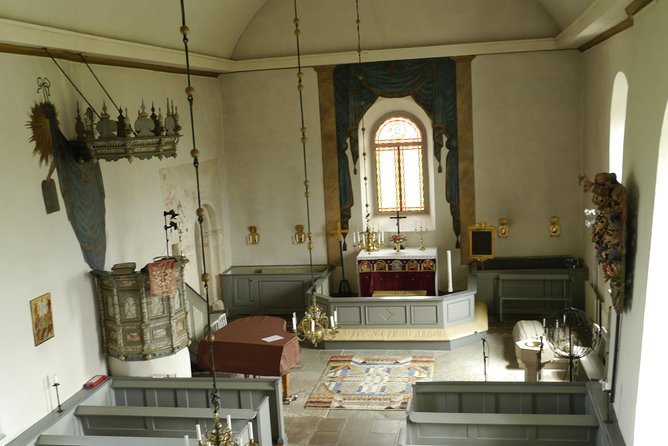
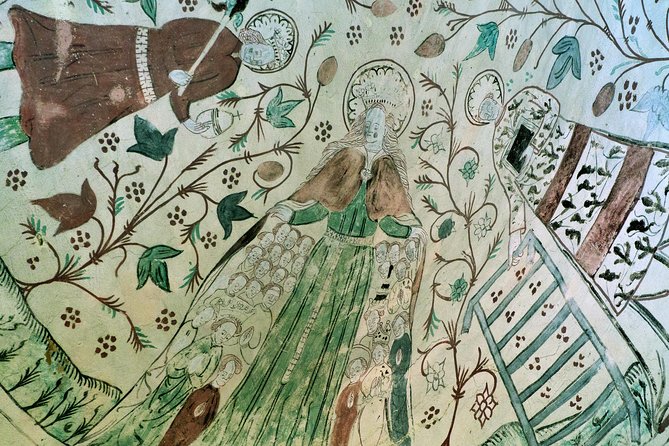
At Täby Church, you get to spend time with one of the best-preserved fresco sets connected to the late 15th century. Frescoes are one of those art forms that feel effortless when they are in front of you, but they take real craftsmanship and planning. Seeing them in situ helps you understand why decoration was a major part of how people experienced worship space.
This stop is also a good chance to look beyond the big images. The value here is learning how church decoration fits the period’s art styles, so you start noticing patterns and techniques rather than just admiring the paintings as pretty pictures. If you care about how styles change over time, Täby gives you a clear anchor point.
A small practical note: church interiors usually mean dimmer light than outdoors. If you are using your phone camera, plan for steady hands and expect some photos to be tricky, even when the frescoes are worth it.
Vallentuna Church: a 1750 reformation-era room, stone master signatures, and Jarlabanki
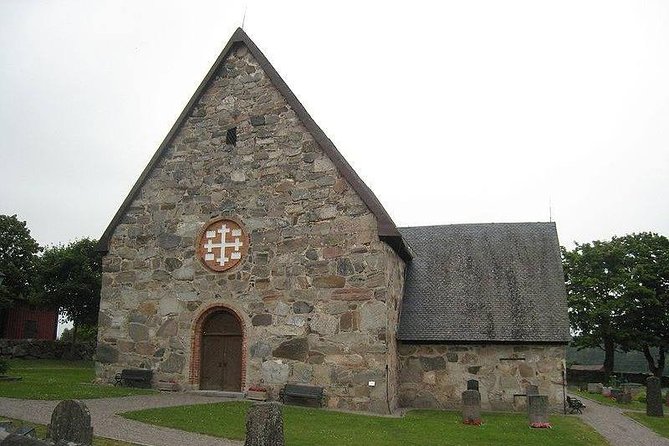
Vallentuna Church is where the day shifts from art-on-walls into deeper, story-heavy history. You will see a well-preserved reformatic church room from 1750. That matters because it shows how older church sites kept evolving long after their medieval roots, instead of freezing in time.
Then comes one of the most intriguing elements of the whole tour: 850 years old stone master signatures from the 12th century. These kinds of marks are a direct reminder that building work was done by real people with real reputations and trades. You are not only seeing a church, you are seeing evidence of the makers.
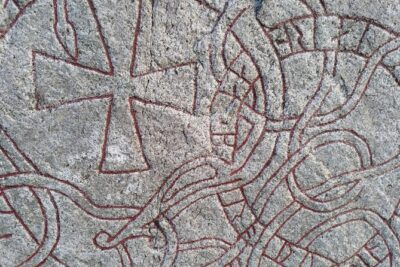
The tour also includes one of the most famous rune stones, plus a discussion of Jarlabanki. Rune stones are not just “cool rocks.” They were a way of naming, remembering, and staking identity in public space. When a guide connects the rune stone to a local figure like Jarlabanki, the stone stops being abstract and starts feeling like a message meant for a community.
Finally, you hear about the turbulent Reformation period in Sweden in the 1520s. Even if you already know the big outline, hearing it tied to how a church site changed helps you connect national events to specific rooms and decisions people made on the ground.
Orkesta Church: 1450 frescoes, a 1750s altar piece, and a medieval cross from 1325
Orkesta Church gives you a satisfying “time layered” experience. You will see beautiful frescoes from 1450 by an unknown painting school, which is a fascinating concept on its own. Unknown does not mean uncaring or careless. It often means the artistic team’s name did not survive in records, while their work did.
This stop also includes a special altar piece from the 1750s and a medieval cross from 1325. That mix lets you compare how different eras expressed religious art and symbolism. You can literally walk through the idea that a church is a living place, with additions and changes that reflect what a community valued at different times.
If you enjoy architecture and art detail, this is the kind of church visit where you will want to slow down. It helps to listen for the guide’s explanations about construction and decoration, because those details make the centuries feel connected instead of random.
Same daylight, a different plan:
- Stockholm: ABBA The Museum Entrance Ticket
★ 4.7 · 11,280 reviews - Stockholm: City Archipelago Sightseeing Cruise with Guide
★ 4.3 · 10,798 reviews - Stockholm: Skansen Open-Air Museum Admission Ticket
★ 4.5 · 3,427 reviews
How construction and “epoch art styles” make the day click
One of the most useful parts of this tour is that you are not just checking off sites. You get explanations about how the churches were built and what the era’s art styles looked like.
I especially like this approach because it prevents the common problem of church tours becoming a list of dates and names. When the guide frames frescoes, carvings, signatures, and later interior changes as part of one long process, the day becomes easier to remember and easier to understand when you get back to Stockholm.
Also, the history here is not only about kings and big events. Rune stones, stone masters, and church-room reforms bring it back to people, materials, and decisions made by real communities.
Olaf, your guide, and why the small-group format matters
You will be with a driver/guide and a local knowledgeable guide, and that pairing is important. The driver gets you out to the countryside on schedule, and the guide is there to interpret what you see once you arrive.
The strongest praise from a recent experience was how guide Olaf was communicative and how the tour felt individualized to match what the group wanted to experience. That is exactly what you want on a specialty topic like church art and medieval craftsmanship. If you ask a question at the right moment, you are more likely to get an answer that fits your interests rather than a generic lecture.
With a max of 16, you also avoid the feeling that you are always waiting for others to catch up. You can move with the group, then pause when something grabs you, like a rune stone detail or a specific fresco section.
Price and value: what $235.13 buys you for 5 to 6 hours
At $235.13 per person, this is not a budget “grab a bus and go” day. You are paying for pickup, transportation out of Stockholm, and guided interpretation inside multiple churches.
Here is how I think about value for this particular tour:
- You are paying to compress distance and context. Rural sites north of Stockholm can be time-consuming to reach and harder to interpret without help.
- The included guidance is the main product. The tour’s value is in learning what you see: construction, frescoes, and the story behind runes and church changes.
- You get multiple sites in one half day. That increases the “learning per hour” compared with a single-church visit.
What is not included is lunch, so factor in a planned snack stop or a proper meal after the tour. If you are the type who enjoys art details and architectural storytelling, the price tends to feel fair. If you mainly want a relaxed sightseeing stroll with no interpretation, you might feel you are paying for something you could do independently.
Practical tips for a smoother church day
A few things make this kind of tour much easier:
- Bring a snack or plan something simple after, since lunch is not included.
- Wear comfortable shoes. You are moving between churches and you might spend time standing close to walls, floors, and stair areas.
- Have your camera ready, but expect church lighting to be uneven. If you rely on night mode or heavy filters, test them quickly before you commit to lots of shots.
- Use your guide’s explanations as your “map.” When you understand what you are looking for in a fresco or carving, the rest of the details start making sense.
If you have any mobility concerns, ask before you book, because the day includes several stops in older buildings. You might find it helpful to let the guide know what you want to focus on, like rune stones versus frescoes.
Who this tour is best for (and who might want something else)
This tour is ideal if you love art history, church architecture, and medieval symbolism. You will get the most out of it if you enjoy learning how buildings and artworks evolved, and you like connecting decorative details to broader historical shifts like the Reformation in the 1520s.
You might consider skipping it if you prefer very long museum-style stays at one location. This is a route with multiple churches, so it rewards curiosity and listening more than wandering at your own speed.
It is also a good fit for travelers who want to see rural parishes without renting a car or dealing with tough logistics. Pickup solves the main headache.
Should you book Small Group Swedish Church History near Stockholm?
Book it if you want a guided, time-efficient way to see some of the oldest church-related landmarks near Stockholm, including medieval elements like 12th-century stone master signatures and rune stone history tied to names like Jarlabanki. I think this tour is especially worth it when you care about frescoes and want the guide to help you read the art styles and construction choices across centuries.
Skip it if you are mainly after quick photos and minimal interpretation, or if you hate the idea of spending 5 to 6 hours moving between several church interiors with no lunch included.
FAQ
What time does the tour start?
The tour starts at 10:00 am.
How long is the tour?
The tour lasts about 5 to 6 hours.
Is lunch included?
No. Lunch is not included.
Do I get hotel pickup?
Yes, pickup is offered from your Stockholm hotel.
How many people are in the group?
The tour has a maximum of 16 travelers.
Can children and service animals join?
Children must be accompanied by an adult. Service animals are allowed.
New on the Stockholm pages
- Discover Stockholm’s Christmas Market Magic with a Local★ 5.0 · 1 review
- Stockholm Tour + Drottningholm Palace by VIP car PRIVATE Guide★ 5.0 · 1 review
- Deluxe Stockholm Tour with Vasa Museum from Cruise Port★ 4.0 · 1 review
- First Class Airport Limousine Transfer: Arlanda Airport to Stockholm City★ 5.0 · 1 review
- Stockholm Shore Excursion from Cruise Port★ 5.0 · 1 review
- Stockholm Old Town Walking Tour + Archipelago Cruise★ 5.0 · 1 review
- Stockholm History Walking Tour★ 5.0 · 1 review
History Tours in Stockholm, compared.
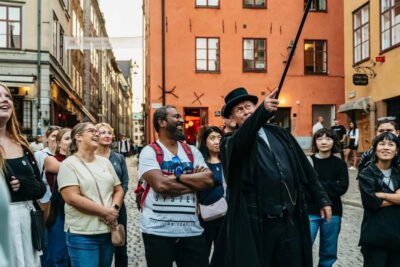
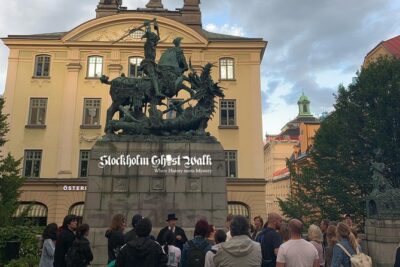
The Original Stockholm Ghost Walk and Historical Tour – Gamla Stan
Read our review →
Guided Historic Old Town Walking Tour with Local
Read our review →
Viking History, Runes & Countryside 9h Tour to Sigtuna & Uppsala
Read our review →
Stockholm Archipelago Guided Tour on Historic Ship with Fika
Read our review →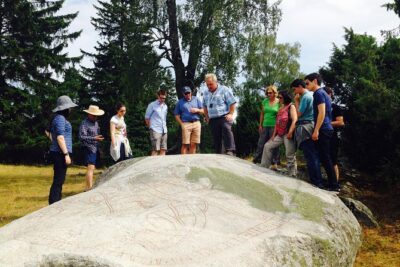
Viking History and Swedish Countryside Tour to Sigtuna & Uppsala
Read our review →
Viking History Small Group Tour from Stockholm: Half Day Including Sigtuna
Read our review →Browse the lists this tour appears in