
Reviewed · SNOWMOBILE ADVENTURES
North, Dogs, Snowmobiles & Lights
Dogs pull the day, then the aurora tries. This full-day outing in Norrbotten County pairs sled dogs with snowmobiles and an evening fire watch for northern lights at Norrland AIO Camp.
I love how the day starts with real dog work, not a quick photo stop, and you’re taught how Eurohounds and Alaskan Malamutes feel and behave on the trail. You also get a homey warm-up rhythm, hot drinks, homemade food, and enough downtime to stay human in the cold.
The main drawback to consider is that the camp is a family home-base rather than a polished lodge, and ride times or the feel of the day can vary, so I’d go in with flexible expectations and confirm key safety details like snowmobile helmets.
In This Review
- Key things I’d focus on before you go
- Where Swedish Lapland Starts Feeling Real in Norrbotten County
- Getting There: Pickup Options Around Luleå, Råneå, and Kalix
- The Dog-First Opening: Safety Briefing and a Guided Orientation
- Eurohounds vs Alaskan Malamutes: What You Learn Before the Sled Moves
- The 2-Hour Sled Ride: Forests, Open Country, and Real Winter Silence
- Break Time, Photo Stop, and Free Time: When You Actually Warm Up
- Lunch at the Camp Home-Base, Plus Coffee, Tea, and Snacks
- Optional Ice Fishing: Calm Stillness Between Big Thrills
- Snowmobiles for About 2 Hours: Frozen Lakes, Forests, and Tundra
- Northern Lights Time by Campfire: The Best Chance to See Them
- Price and Value: What $383 Buys in a Full 10-Hour Day
- Practical Notes on Safety, Rules, and Who Should Skip
- Who This Experience Fits Best (and Who It Does Not)
- Quick Tips to Make the Day Feel Smooth
- Should You Book North, Dogs, Snowmobiles & Lights?
- FAQ
- What time does the tour start, and how long is it?
- Where are the pickup and drop-off locations?
- What happens during the dog sled portion?
- Are lunch and drinks included?
- Is ice fishing included?
- Who is the guide, and what languages are offered?
- Is this tour suitable for people with mobility limitations or pregnancy?
Key things I’d focus on before you go
- Dog-led pacing from the first hour, with guidance on harnessing and handling
- Two big winter rides: about 2 hours on the sled and 2 hours on snowmobiles
- Aurora time built into the schedule, with campfire watching so you are not rushed
- Warm drinks and homemade meals, plus optional ice fishing if you want it
- Real family-run camp energy, which can feel cozy or casual depending on what you expect
Where Swedish Lapland Starts Feeling Real in Norrbotten County
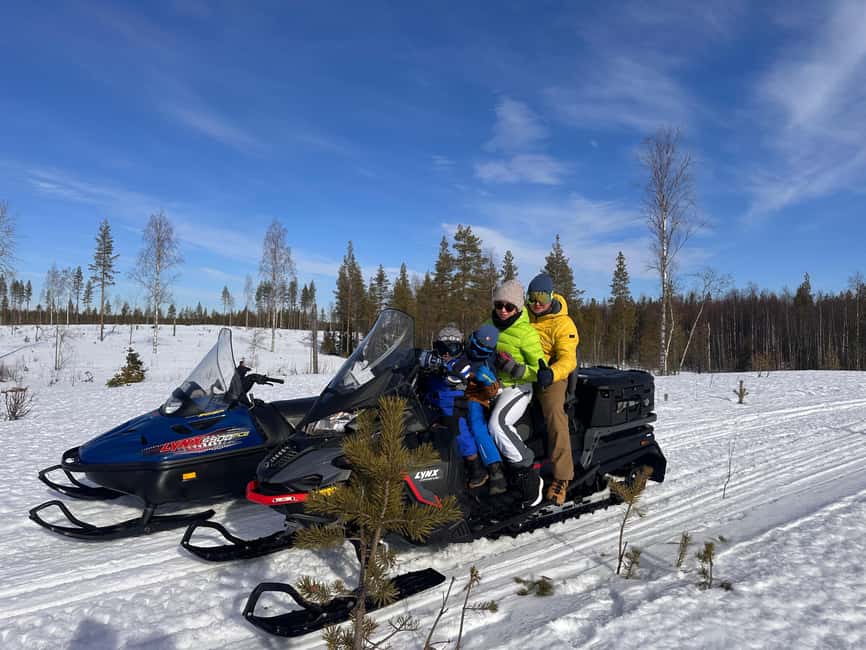
This is Swedish Lapland in the North, in Norrbotten County, with a day built around getting outside and staying outside. You travel by van from the coastal towns to the camp area, then the day turns into snow time, dog time, and cold-air wonder time.
Norrland AIO Camp is year-round and dog-first. That matters because it changes the tone. Instead of feeling like you’re consuming a checklist of winter thrills, you’re pulled into the daily routine: dogs first, then trails, then heat, then machines again.
You should know one thing going in. This is not positioned as a remote luxury resort with perfect hotel comforts. It is more like a family base in the wilderness, where warmth comes from people and a campfire, not from branding and polish.
More Snowmobile Rides in Lulea
Getting There: Pickup Options Around Luleå, Råneå, and Kalix
The schedule starts at 10:00 a.m., and the whole experience runs about 10 hours. You get one of three pickup options by van: Luleå, Råneå, or Kalix.
That van time is not just a transfer. It sets expectations. You’re going from a more settled town area toward the quieter Arctic edge, and once you’re out of town, the day shifts from travel mode to winter activity mode.
Plan to dress like you mean it, even before you arrive. Winter weather can change fast, and you will be outside long enough to feel it. If you’re the type who gets cold easily, you’ll feel it more here than on a city tour.
The Dog-First Opening: Safety Briefing and a Guided Orientation
Right after pickup, the day moves through a 15-minute safety briefing and then a guided tour that lasts about 1 hour. The point is simple: you need to be comfortable with how the camp works and how to move safely around dogs and equipment.
The dog section is not treated like a magic trick. It’s treated like skills. The team focuses on proper handling and confidence on the trail, even if you’ve never been on a sled before.
I like that the camp takes dog welfare seriously as part of the experience. It’s not just about speed or photo angles. You’ll spend time learning how the animals are cared for and what safe handling looks like in practice.
Eurohounds vs Alaskan Malamutes: What You Learn Before the Sled Moves
The dogs are the center of the day, and the camp trains and breeds Eurohounds and Alaskan Malamutes. The difference between the two types is explained as energy versus strength, which is a useful way to understand what you might feel when the sled starts moving.
You also learn how to handle and prepare for the sled outing. That matters because it changes the experience from watching to participating. You’re not just sitting there, hoping for a good ride. You learn the basics of how the harness system works and how to behave around the team.
This is also where the day earns its value. Dog sledding can feel touristy when it’s rushed. Here, the training piece helps you understand what you’re doing, so the ride feels earned instead of handed to you.
The 2-Hour Sled Ride: Forests, Open Country, and Real Winter Silence
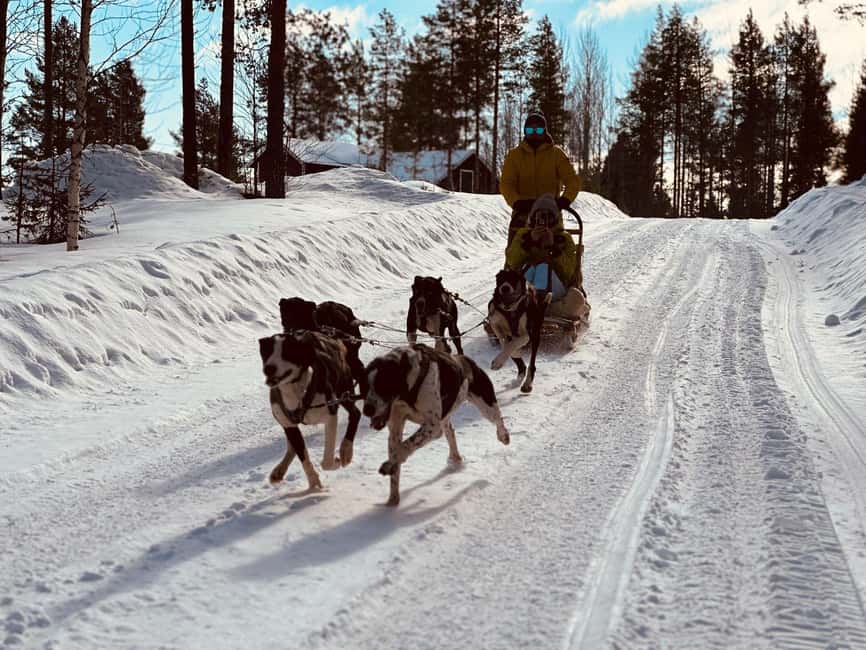
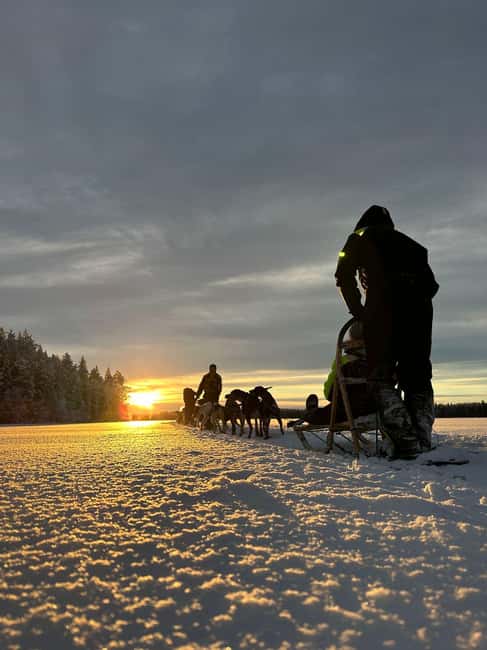
After preparation and guidance, you head out on the dog sled trip for about 2 hours. The route goes through forests and open country around Swedish Lapland, so you get variety rather than one long, identical stretch.
This part is where the magic usually happens. The motion is steady, the cold air is sharp, and the silence can feel surprisingly loud once you tune into it. When people say Lapland feels quiet, they are not exaggerating, and the sled is one of the best ways to feel that.
The practical tip here is mindset. Even when things are well run, the sled pace and timing can depend on trail conditions and how the day flows. So go in expecting about 2 hours, but stay flexible in case the timing shifts slightly.
Same daylight, a different plan:
- Lulea: Northern Lights Hunt by Car with Transfer
★ 4.4 · 56 reviews - Luleå: Northern Lights Tour by Car with Swedish Treats
★ 4.7 · 43 reviews - Luleå: Meet and Feed the Reindeer – Short Experience
★ 4.8 · 28 reviews
Break Time, Photo Stop, and Free Time: When You Actually Warm Up
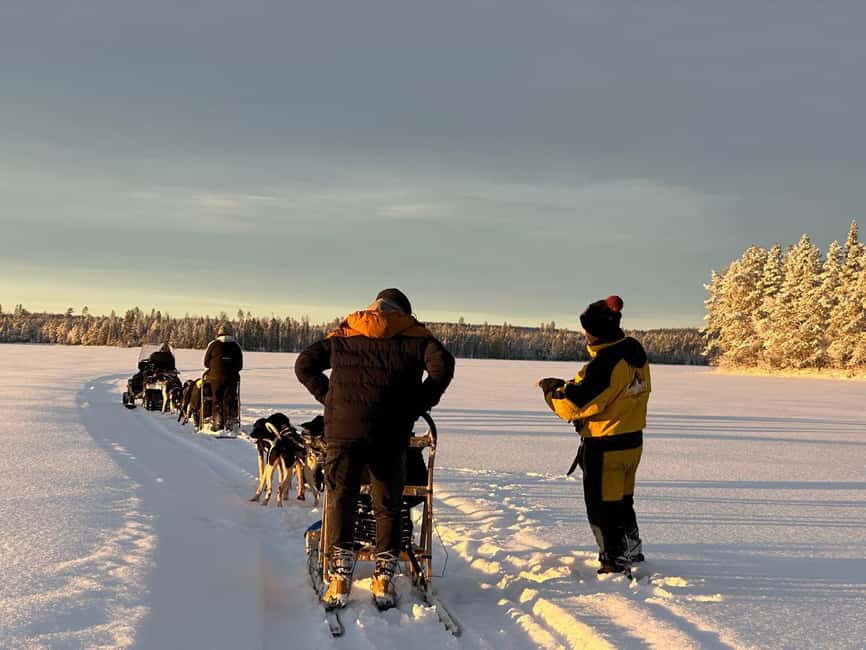
The schedule includes break time of about 30 minutes, then a photo stop and free time for about 30 minutes. This is your buffer. It’s where you get to warm hands, use the restroom if needed, and decide how you want to spend the extra moments.
This is also where you can reset if the dog ride got your adrenaline going. Winter tours can feel intense back-to-back. A real break keeps the day from becoming one long sprint through cold.
One word of advice: use this time. Don’t just stand around in cold silence thinking you’ll warm up later. If you need warmer layers for the afternoon snowmobile segment, this is the moment to adjust.
Lunch at the Camp Home-Base, Plus Coffee, Tea, and Snacks
After the breaks and free time, lunch is included and lasts about 1.5 hours. Along the way, you’re offered hot coffee, tea, and homemade snacks at the site.
Food is one of the best parts of this style of day trip, because it slows everything down. A good lunch gives you the energy to enjoy the snowmobile ride instead of just surviving it.
There’s also a homey, family atmosphere here. Some visitors describe it as feeling like being hosted, with meals served in a private home-style setting. If you’re expecting a formal cabin restaurant vibe, your mileage may vary, but the warmth of the moment tends to be the point.
Optional Ice Fishing: Calm Stillness Between Big Thrills
You can add ice fishing on a nearby lake if you feel like it. If you choose it, you get a slower, quieter activity that contrasts with the faster dog sled and snowmobile segments.
Ice fishing isn’t the same kind of adrenaline, so it’s best if you like steady patience. It’s also a good choice if you want a break from constant motion and want to feel the Arctic stillness for a while.
Even if you skip the ice fishing, the offer is part of why this camp feels grounded. The day isn’t only about speed. It includes the quieter north rhythms too.
Snowmobiles for About 2 Hours: Frozen Lakes, Forests, and Tundra
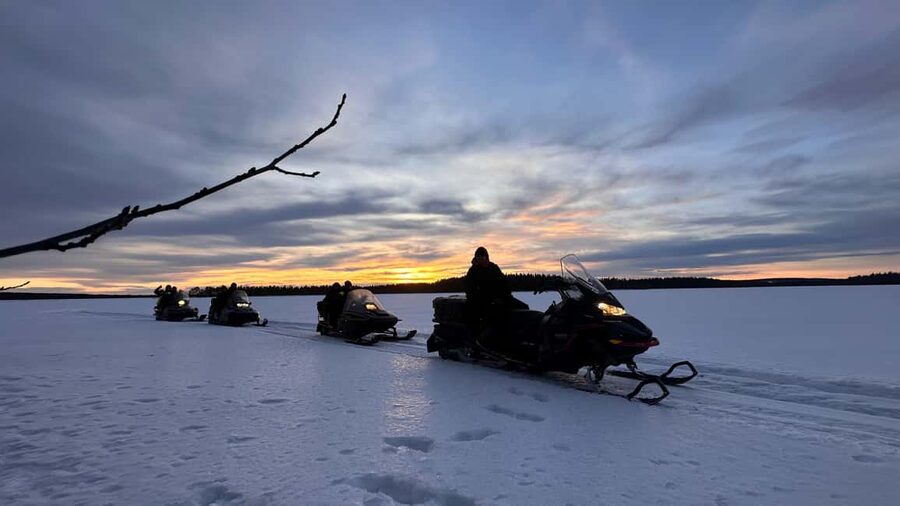
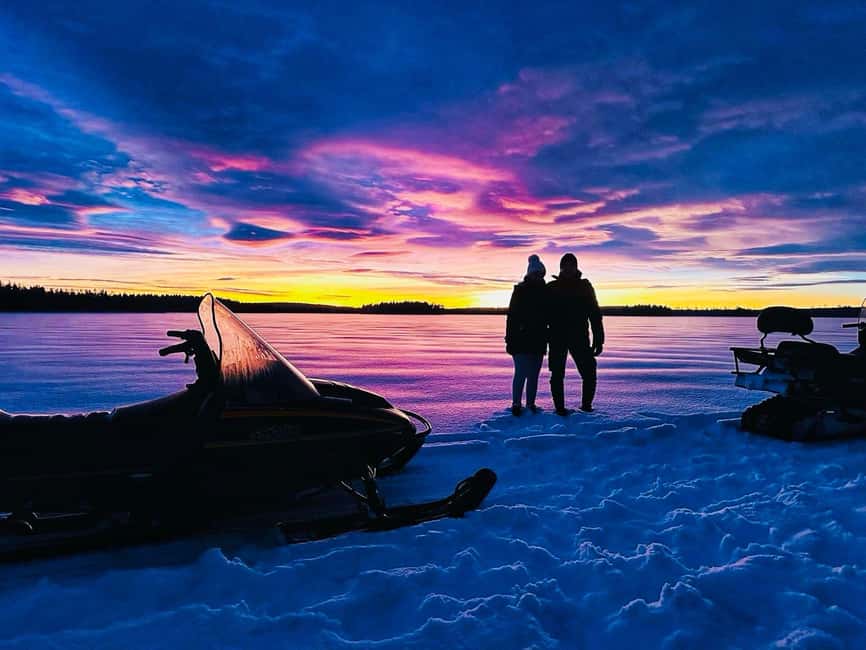
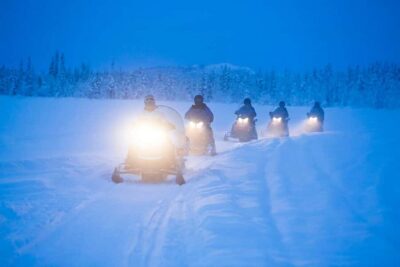
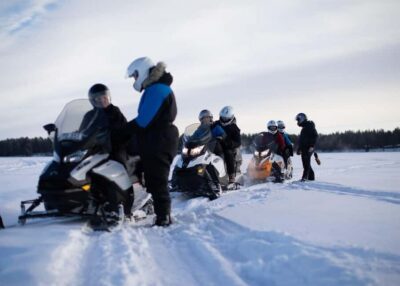
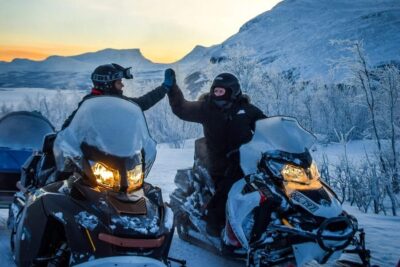
After lunch, you switch to snowmobiles for about 2 hours. This is the fastest way to reach wild corners of the region, and the ride can feel like pure Lapland momentum.
The scenery route is described as frozen lakes, forests, and tundra. That variety helps. You’re not just circling one area, and you’re not stuck staring at the same tree line for the entire ride.
Two practical considerations. First, schedule timing can shift in real life. Some people find the actual riding time can feel shorter than advertised, often because the day needs to stay organized with safety pauses and transitions. Second, confirm helmet policy before you ride. Helmets are not mentioned in the core details here, so ask clearly and get a straight answer.
If you’re nervous about operating a snowmobile, focus on what the guide asks you to do and keep your movements calm. Winter machines demand attention, and confidence grows when you follow instructions exactly.
Northern Lights Time by Campfire: The Best Chance to See Them
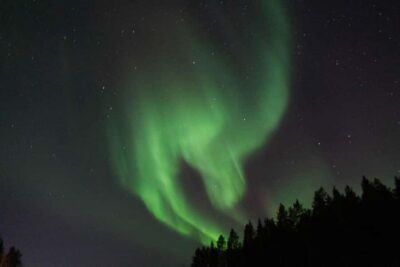
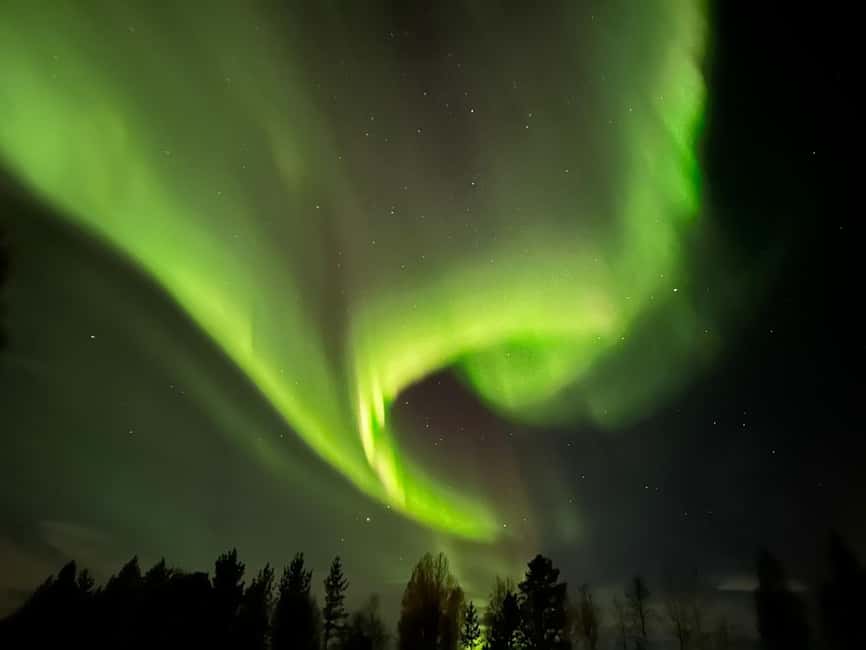
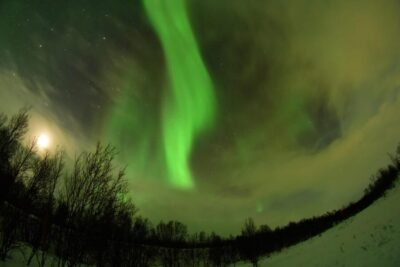
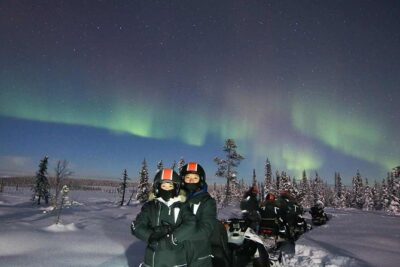
The evening ends outside by the campfire, and it’s also the best time to hunt for the aurora borealis without rushing. This part matters because northern lights are weather-dependent. You can do everything right and still get a sky that won’t cooperate.
The camp’s approach is simple: you slow down, you watch, you wait, and you let the night do its thing. If you get clear skies, the aurora often feels like it’s hovering just above the trees.
If it snows heavily or clouds move in, the experience can shift from aurora-chasing to stargazing and warm-fire comfort. That still can be a great memory, but it’s smart to treat the lights as a chance, not a guaranteed show.
Bring your mindset for both outcomes. Either you see the lights and it’s a bonus, or you don’t and you still end the day warm and outside in the Arctic dark.
Price and Value: What $383 Buys in a Full 10-Hour Day
At $383 per person, this is not a budget activity. The value comes from packing two major winter experiences into one day: about 2 hours on a dog sled plus about 2 hours on snowmobiles, along with lunch, hot drinks, and snacks.
You’re also buying something less measurable: a dog-centered operation where preparation, training, and animal care are part of the show. When the camp takes time with that, the day feels more authentic and less like a drive-through experience.
Can it feel expensive if the day runs shorter than the schedule or if you expected a more structured, hotel-like setting? Yes, that can happen. So I’d think of this purchase as paying for access to a family-run Arctic day and the chance at lights, not for a standardized product that never changes.
If you like to travel with flexibility and you care about dogs, this price can make sense fast. If you need everything to run exactly to the minute and you want a highly scripted narrative, you should ask more questions before booking.
Practical Notes on Safety, Rules, and Who Should Skip
This tour has clear rules. High-heeled shoes are not allowed. Bare feet are not allowed. Alcohol and drugs are not allowed. Fireworks and explosive substances are also not allowed.
There are also health and mobility limits. It is not suitable for pregnant women, people with mobility impairments, wheelchair users, people with epilepsy, visually impaired people, people with recent surgeries, babies under 1 year, and people over 95 years.
If any of those apply, don’t try to negotiate the situation. The day includes cold exposure and active winter riding, which raises safety needs.
If you do go, wear winter-appropriate footwear and clothing that stays warm and dry when you’re outside. Your comfort on the sled and snowmobile depends on staying insulated, not just on being brave for the first few minutes.
Who This Experience Fits Best (and Who It Does Not)
This is a strong match for you if you:
- Want sled dogs to be the core experience, not a short side activity
- Like hands-on learning, especially around dog handling and confidence on the trail
- Want a full Arctic day, active from start to finish, with campfire calm at night
It may be a rough match if you:
- Need polished English storytelling for every minute of downtime
- Expect a lodge-style setting with formal service and lots of space
- Are sensitive to timing variations between scheduled segments
A helpful mindset shift: treat the day as a family-run Arctic program. That often means it can feel relaxed and personal, but it may not feel like a big-budget production with tightly managed pacing in every segment.
Quick Tips to Make the Day Feel Smooth
Here’s what I’d do to help you enjoy the day more, with less guesswork:
- Arrive dressed for Arctic cold, not just for “winter weather.” You’ll be outside for long stretches.
- Confirm helmet availability for the snowmobile ride before you go out.
- Ask how the day’s ride-time will work for your specific group when you arrive, since real time can vary.
- If aurora viewing matters most, bring a camera strategy, but also plan to simply enjoy the waiting and the campfire.
Small preparation tricks can turn a good day into a great one, especially in cold conditions where energy matters.
Should You Book North, Dogs, Snowmobiles & Lights?
I’d book this if you want a genuine Swedish Lapland day that centers dogs, adds real snowmobile time, includes a full meal, and gives you a built-in northern lights chance by campfire. The mix is the point. You get movement, then warmth, then another burst of speed, then the quiet payoff of the night.
I’d hesitate if you need a very strict schedule experience, a formal lodge atmosphere, or you are worried about clear communication throughout the day. If those are your priorities, ask the camp questions ahead of time about practical timing and safety gear, then decide with confidence.
For the right traveler, this is a memorable Arctic day: dogs first, machines second, and the sky as the final mystery.
FAQ
What time does the tour start, and how long is it?
The experience starts at 10:00 a.m. and lasts 10 hours total.
Where are the pickup and drop-off locations?
You can be picked up from Luleå, Råneå, or Kalix. After the day ends, you return to drop-off in Kalix, Råneå, or Luleå.
What happens during the dog sled portion?
You get a preparation and harnessing start to learn how to handle the sled team. Then you go on a sled trip of about 2 hours through the area.
Are lunch and drinks included?
Yes. Lunch is included, and the camp provides hot coffee, tea, and homemade snacks.
Is ice fishing included?
Ice fishing is available as an optional activity on a nearby lake. It is not listed as required.
Who is the guide, and what languages are offered?
A live tour guide is included, speaking English and Polish.
Is this tour suitable for people with mobility limitations or pregnancy?
No. It is not suitable for pregnant women, people with mobility impairments, or wheelchair users, and it also lists limits for people with epilepsy, visually impaired people, and those with recent surgeries.
New on the Lulea pages
- Kalix – Lapland Snowmobile adventure half-day★ 5.0 · 1 review
- Tornio-Haparanda: Northern Lights Tour★ 5.0 · 1 review
- HaparandaTornio: Visit a heritage fishing village★ 5.0 · 1 review
- Kalix: Lapland ATV Adventure with Guide★ 5.0 · 1 review
- Överkalix – Lapland : Snowmobile Tour with Northern Lights★ 5.0 · 1 review
- Överkalix – Lapland : Private Husky meeting with Fika★ 5.0 · 1 review
- Luleå: Sami Culture & Reindeer Winter Experience★ 5.0 · 2 reviews
Snowmobile Adventures, compared.
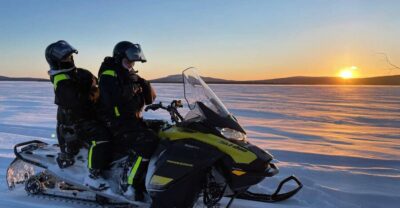
Guided Snowmobile Tour and Swedish Fika Experience
Read our review →
Abisko/Björkliden: Panorama Snowmobile Tour with Snacks
Read our review →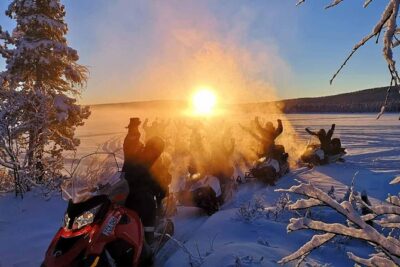
Browse the lists this tour appears in