

Reviewed · GUIDED WALKS IN GOTHENBURG
Gothenburg: Haga Old Town Walking Tour
Haga is Gothenburg’s time machine in shoe leather. This walking tour takes you through Haga Nygata, one of the city’s oldest streets, where preserved wooden houses and neighborhood lore show how this area changed from a rough 19th-century reputation to today’s cafe-and-shop culture. It’s a focused, story-first way to understand why Haga looks the way it does.
I especially love two things: the wooden house details (including the classic Gothenburg style called landshövdingehus) and the way the guide connects those sights to how Swedish life feels today. It’s not just dates and names, it’s the human angle, with plenty of time for questions.
One drawback to plan for: your route can include a steep climb up to Skansen Kronan, so if hills are hard for you, wear good shoes and ask about options right from the start.
In This Review
- Key Highlights You Should Know
- Entering Haga Nygata, Where Old Houses Still Do the Talking
- Meeting Outside Haga Church, Then Getting Oriented Fast
- The Landshövdingehus Factor, Half Brick and Half Wood
- How a 19th-Century Slum Turned Into Gothenburg’s Most Walkable Cool Spot
- The Tour’s Storytelling Style, Folklore and Insider Details
- What Stops You’ll Actually Notice, Not Just Landmarks
- Skansen Kronan, The Steep Bit With the Best Payoff
- Small-Group Energy, With Guides Who Bring the City Alive
- Price and Value, Why $55 Can Be Worth It in Gothenburg
- Best Time to Go and How to Make the Most of the Walk
- Who Should Book This Haga Old Town Tour
- Should You Book This Tour?
Key Highlights You Should Know

- Haga Nygata and the landshövdingehus style you can actually see up close
- 2 hours of local storytelling that explains how Gothenburg evolved
- A small-group feel that can turn into a near-private walk on some days
- Swedish-life Q and A, including topics like education and parental leave
- Food and coffee recommendations that help you plan the rest of your day
- Skansen Kronan viewpoints may be part of your walk, including a challenging climb
Entering Haga Nygata, Where Old Houses Still Do the Talking
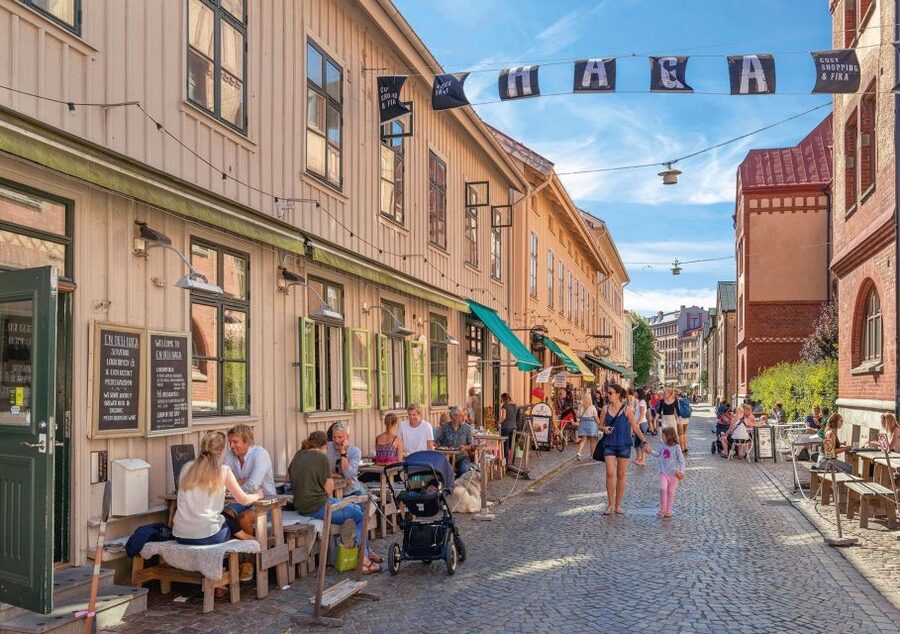
If you want Gothenburg without the noise, start with Haga. This is one of the city’s oldest neighborhoods, and the charm is physical. You walk past streetscapes that still read like 17th-century Gothenburg, even as the neighborhood’s role kept shifting over time. The guide’s job is to point out what your eye might miss, like why certain buildings look the way they do and what those designs meant for life in earlier centuries.
You’ll follow a pedestrian-friendly route built for wandering. That matters, because Haga is meant for slow glances, not quick photos between attractions. Your best results come from moving at a comfortable pace, stopping when the guide says to look up at facades, window rhythms, and the wooden textures that survive because people cared enough to preserve them.
More Guided Walks in Gothenburg
Meeting Outside Haga Church, Then Getting Oriented Fast
Your start is simple: meet your guide right outside the main entrance to The Haga Church. That’s a smart choice, because churches tend to anchor neighborhoods historically, and here it also gives you a clear visual starting point before you head into the older lanes.
Right away, expect your guide to set the frame. Not in a lecture way, but in a storyline way. In the tone of the tours described, the guide uses the buildings as evidence, explaining what kind of area Haga used to be, what changed over time, and why the street still feels different from other parts of Gothenburg.
One reason this matters is time. On a first visit, you can easily wander Haga for an hour and still not know what you’re looking at. Starting at the church helps you connect landmarks into a mental map.
The Landshövdingehus Factor, Half Brick and Half Wood

Here’s the standout visual: the landshövdingehus style. Along Haga Nygata, you’ll see houses with one floor in brick and the rest in wood. That mix is so characteristic of Gothenburg that it’s worth slowing down for. The guide will point out why it was used and how you can read a building’s materials like a clue about practicality, status, and the era.
I like this style because it makes history tangible. You’re not just hearing that the neighborhood evolved, you’re watching the physical evidence. Wood changes with weather and time, so seeing well-preserved examples tells you something about preservation choices and local pride.
If you enjoy architecture and streetscapes, this part is the payoff. It’s also an easy way to keep kids or non-experts engaged, because the guide can point out visible features fast: the wood, the brick section, the arrangement, and the feeling of order in the buildings.
How a 19th-Century Slum Turned Into Gothenburg’s Most Walkable Cool Spot
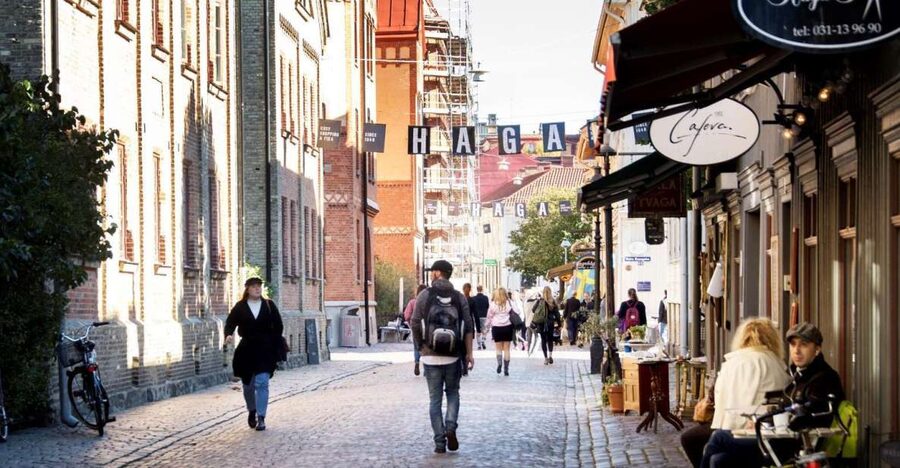
Haga’s storyline has a clear twist. In the 19th century, it had a seedy reputation and included areas that were considered more rough than charming. Today, it’s often described as the city’s hippest area, with cafes, delicatessens, and independent shops right along the same lanes.
Your guide doesn’t just say gentrification happened. The better guides explain what changes when an area flips. You start to see it in the mix: historic-looking buildings with modern uses. You might notice how storefronts and small businesses fit the neighborhood’s scale, and why Haga feels more like a lived-in district than an open-air museum.
This is also where the guide’s local voice really shows. Some guides, including people named Kalina and Sarah in past tours, are especially strong at turning the neighborhood’s past into a story about Gothenburg itself. That’s why this tour works even if you’ve got limited time in the city.
The Tour’s Storytelling Style, Folklore and Insider Details
The magic of a good guided walk is the small facts that make you look differently when you’re on your own. The tour is built around that. You’ll hear insider stories and local folklore tied to specific buildings and corners, and your guide will usually use examples to help you picture earlier life in Haga.
I also like the Q and A element. Several tour descriptions and guide highlights mention conversations about Swedish culture, not only the neighborhood. For instance, one guide discussion included Swedish education and parental leave benefits like maternity and paternity leave, plus the idea of free education up to university level. Even if that exact topic comes up or not, the format suggests you can ask questions and get thoughtful answers.
This is practical travel value. When you leave the tour, you’re not just able to locate Haga Church or name the street. You’re better equipped to understand what locals mean when they talk about daily life, benefits, and how the society is organized.
More of Gamla Stan on foot:
- Gothenburg: Old Town Sightseeing Tour
★ 4.5 · 88 reviews - Gothenburg Old Town Sightseeing Tour
★ 4.5 · 15 reviews - Stockholm Gamla Stan: Old Town Walking Tour with Local Guide
★ 4.7 · 1,714 reviews
What Stops You’ll Actually Notice, Not Just Landmarks
The tour is designed around key points, but it’s more than a list of stops. The guide moves you from one building to the next in a sequence that teaches you how to read the area.
Here’s what typically gets attention:
- Front facade details on the half-brick, half-wood homes, where the materials explain more than looks alone
- Street-level rhythm on Haga Nygata, including how pedestrian flow shapes the feel of the neighborhood
- Historic anchors around the church and surrounding streets, which helps you orient fast
- Viewpoints if your route includes the fort area, which changes the pace and perspective of the walk
You’ll likely be nudged to notice how cafe culture fits inside older structures. That blend is part of what makes Haga such a fun neighborhood to revisit later.
Also, pacing matters. The tour is listed at 1.5 hours, but multiple experiences describe it running closer to 2 hours. In plain terms, I’d plan for a little extra time, especially if you want photos, extra questions, or a slower look at the houses.
Skansen Kronan, The Steep Bit With the Best Payoff
Let’s talk about the part people sometimes don’t expect: Skansen Kronan. One experience notes that the walk includes a hike up to this former fort on a hillside that overlooks Gothenburg. The views are called out as amazing, but the climb is steep enough that at least one person had trouble with the ascent.
So treat this as a real consideration, not a theoretical one.
What I recommend:
- Wear shoes with grip and support.
- If you have mobility limits or a fear of steep grades, ask your guide early whether an alternate route is possible.
- Keep an energy buffer. A stair or slope effort can slow the entire group, and guides generally want everyone safe and comfortable.
If you’re up for hills, this is the moment where Haga stops being only pretty buildings and becomes a strategy lesson in how the city protected itself and how geography shaped views.
Small-Group Energy, With Guides Who Bring the City Alive

The price may look like a simple flat rate, but what you’re paying for is a local guide who can tailor the walk in real time. Past experiences highlight that some days run with very small groups, sometimes even solo. That changes the feel. You get more back-and-forth, and the guide can answer the questions you’re actually curious about.
Names that have appeared in tour experiences include Kalina, Sarah, David, Luka, Luca, Helena, Karen, and Sara. Not every guide will be identical, but repeated mentions show a pattern: strong storytelling, thoughtful pacing, and helpful recommendations for what to do next.
A few practical notes based on those experiences:
- Some guides use pictures to support stories, which helps the past feel clearer rather than abstract.
- Guides often give specific food and coffee suggestions after the tour, not generic lists.
- When weather turns, guides can be flexible about timing and adjustments so you still get the best day possible.
Price and Value, Why $55 Can Be Worth It in Gothenburg
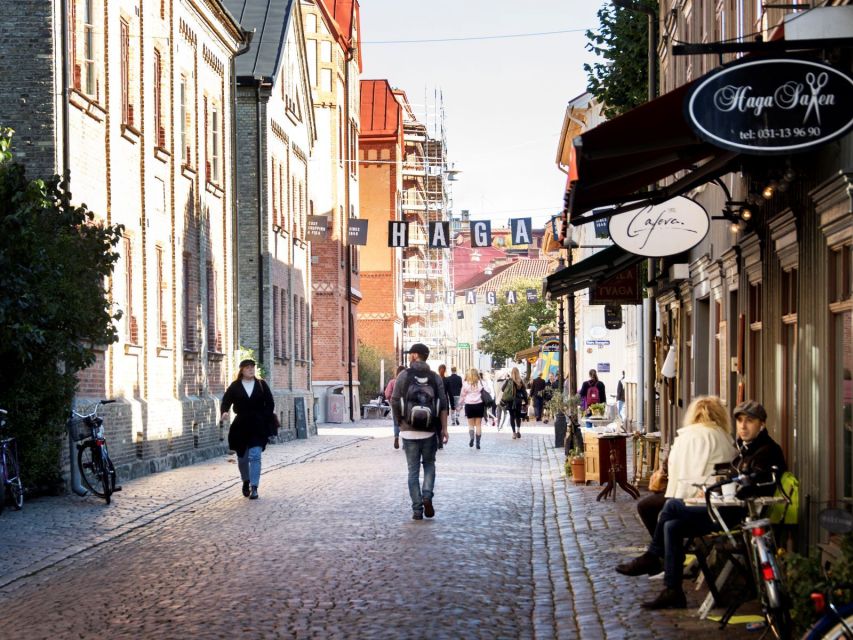
At $55 per person for about 1.5 to 2 hours, this isn’t a budget freebie. But it can be good value if you care about context. Haga is easy to stroll without a guide, sure, but you risk missing why the buildings matter and what changed over time.
This tour is strongest for:
- First-time visitors who want a mental map and stories quickly
- People who like architecture but want it explained in human terms
- Travelers who want local recommendations for cafes and shops after the walk
Also, gratuity isn’t included, so if this is your one splurge, plan a tip accordingly. Even if you don’t tip heavily, budgeting a small extra amount keeps you from feeling awkward later.
Best Time to Go and How to Make the Most of the Walk
The tour is a walking experience, and Gothenburg weather can shift. Plan for layers, and don’t count on the sun staying cooperative. If you can choose times, consider going earlier in your day if you like extra time to wander afterward, or mid-day if you want cafes ready right after the tour.
How to make it better:
- Keep your camera ready, but also keep looking. Some of the best moments are at eye level, not only at landmark height.
- Write down one or two cafe names your guide recommends. Haga has plenty of places, and it’s easy to forget the best ones once you’re hungry.
- Bring a small amount of patience if your group includes anyone taking the Skansen Kronan climb slower, because the guide may adjust the pace to keep everyone together.
Who Should Book This Haga Old Town Tour
This is a great match if you want:
- A guided introduction to Gothenburg old neighborhoods
- Strong storytelling with plenty of time to ask questions
- A mix of past and present, from 19th-century reputation to today’s cafe culture
- A route that includes both street charm and possible hillside viewpoints
It may be less ideal if:
- Hills and steep climbs are a hard no for you, especially if your route includes Skansen Kronan
- You prefer independent sightseeing with no guide interaction
For most people, it’s a sweet spot. You get a structured walk, then you can spend the rest of your day doing exactly what Haga is best at, wandering.
Should You Book This Tour?
Yes, if you’re visiting Gothenburg for the first time and you want Haga to make sense fast. The wooden landshövdingehus architecture, the neighborhood’s transformation from rough 19th-century days to today’s cafe culture, and the guide-led storytelling all combine into a high-utility experience for a short time commitment.
Book it especially if you like tours where you can ask questions and get practical recommendations afterward. Skip it or choose carefully if steep climbs like the one to Skansen Kronan would be too difficult for your body, since that can be part of the route.
If you want, tell me your travel dates and how you feel about hills, and I’ll suggest a smart half-day plan around Haga.
New on the Gothenburg pages
- Grebbestad: boat tour private★ 5.0 · 1 review
- Goteborg Landvetter Airport (GOT) to Goteborg City – Arrival Private Transfer★ 5.0 · 1 review
- Escape The City Gothenburg City Walk With Puzzles★ 5.0 · 1 review
- Self-Guided Secrets of Gothenburg Exploration Game★ 3.0 · 1 review
- Gothenburg: Insta-Perfect Walk with a Local★ 5.0 · 1 review
- Gothenburg Must-See Attractions Private Guided Walking Tour★ 3.0 · 1 review
- Entry Ticket To Gothenburg Museum of art with pickup★ 5.0 · 1 review
Guided Walks in Gothenburg, compared.




Best of Gothenburg: Private Walking Tour with a Local
Read our review →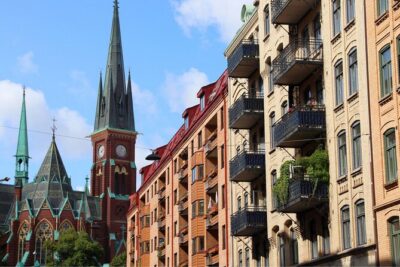
Private Walking Tour with A Guide (Private tour)
Read our review →
Historical Walking Tour in Restaurant and Bars in Central City
Read our review →
Browse the lists this tour appears in