
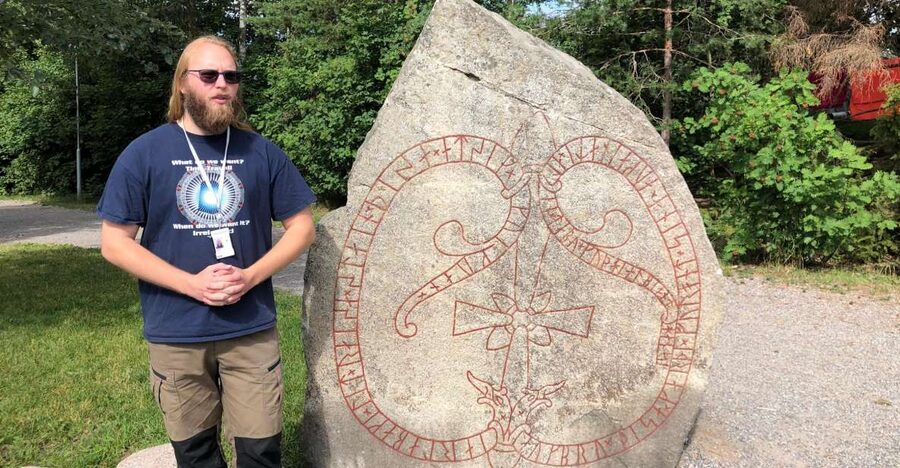
Reviewed · HISTORY TOURS IN STOCKHOLM
From Stockholm: Viking Culture and Heritage Small Group Tour
Viking sites are easier to picture out here. This 3-hour small-group tour takes you from central Stockholm into Uppland’s countryside, where you’ll see runestones, a reconstructed Viking bridge, graves, and the landscape Viking leaders shaped. I especially like the practical small-group size (no more than 16), and how the tour focuses on real places and real names like Estrid and Jarlabanke, not a theme-park script. One drawback to plan for: it’s outdoors, so weather matters, and there’s no food included.
You’ll start with hotel pickup in central Stockholm (within 5 kilometers of Stockholm Central Station) and head into quieter roads fast. The guide, often identified as Erik in recent feedback, uses English and keeps it fact-forward, with stories that connect pagan and Christian traditions you can still feel in the burial sites. If you’re hoping for a casual, mostly inside-the-car lesson, this may feel a bit “historical.” If you want Viking life translated into a clear, walkable setting, you’ll be in good hands.
In This Review
- Viking Culture and Heritage Tour: why Uppland feels different from Stockholm
- From hotel pickup to countryside quiet: the small-group drive setup
- Broby bro and the Jarlabanke Runestones: graves, Estrid, and changing beliefs
- Jarlabanke Bridge and the causeway entrance: runes you can read with context
- Arkils tingstad and the Viking parliament remains: how society may have worked
- How pagan and Christian traditions show up in the landscape
- The countryside walk: what to expect on timing and weather
- Guide style and what you’ll learn, not just what you’ll see
- Price and value: is $138 for 3 hours worth it?
- Who this Viking Culture and Heritage tour suits best
- Should you book it: my decision guide for the Stockholm-to-Uppland swap
- FAQ
- How long is the Viking Culture and Heritage small group tour?
- How big is the group?
- Is pickup included?
- What language is the guide?
- What Viking sites will we see?
- Is food included?
- Are there any costs included besides the tour price?
- Is the tour only for winter?
- Is it free to cancel, and how far in advance?
- Can I pay later?
Viking Culture and Heritage Tour: why Uppland feels different from Stockholm
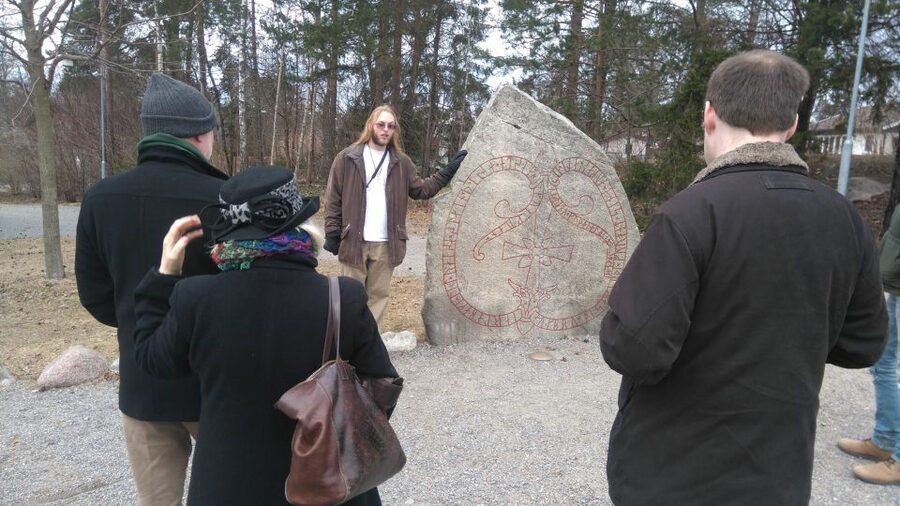
Stockholm is great for museums and waterfront views, but this tour swaps city flow for something older. In Uppland, you’re not just looking at artifacts behind glass. You’re walking in the setting where people carved runes, built causeways, and marked status through stones and burial grounds.
That change in scenery is the big payoff. I like that the tour is built around specific locations, not vague “Viking vibes.” When you stand by named runestones and a causeway entrance, Viking history stops being a list and starts being a map you can follow.
From hotel pickup to countryside quiet: the small-group drive setup
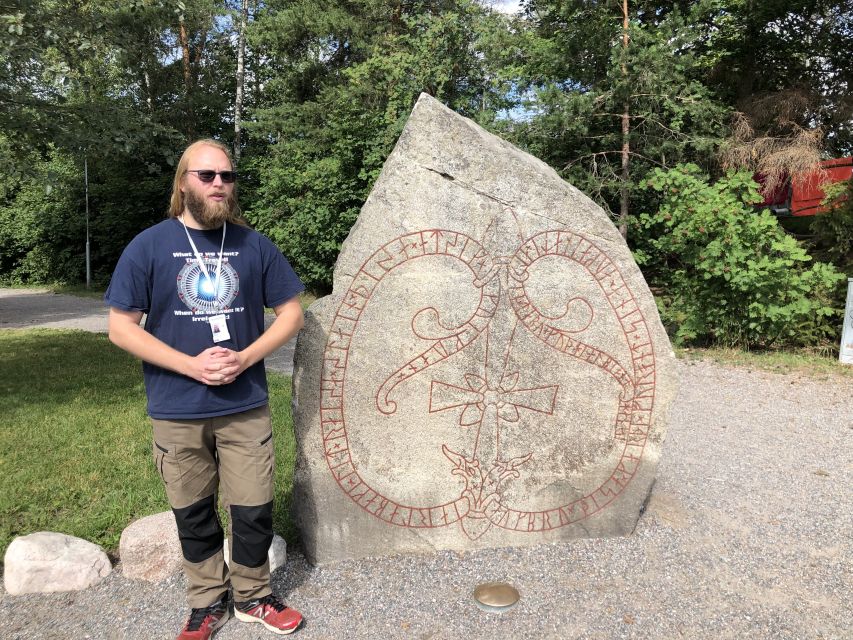
This tour is designed to start easy. You get hotel pickup and drop-off if you’re staying within 5 kilometers of Stockholm Central Station, and then you’re on your way to the countryside. With a group capped at 16, you’re less likely to feel like a passenger in a long lecture, because the guide can actually address questions along the route.
You also get timing that works for short stays. At 3 hours, you can fit it into an itinerary without giving up a full day. That matters in Stockholm, where you may want to balance city sights with one or two countryside excursions.
One more thing: the tour is live-guided in English, so you don’t have to piece together context from signage. The goal is interpretation, tied to what you’re seeing.
More History Tours in Stockholm
Broby bro and the Jarlabanke Runestones: graves, Estrid, and changing beliefs
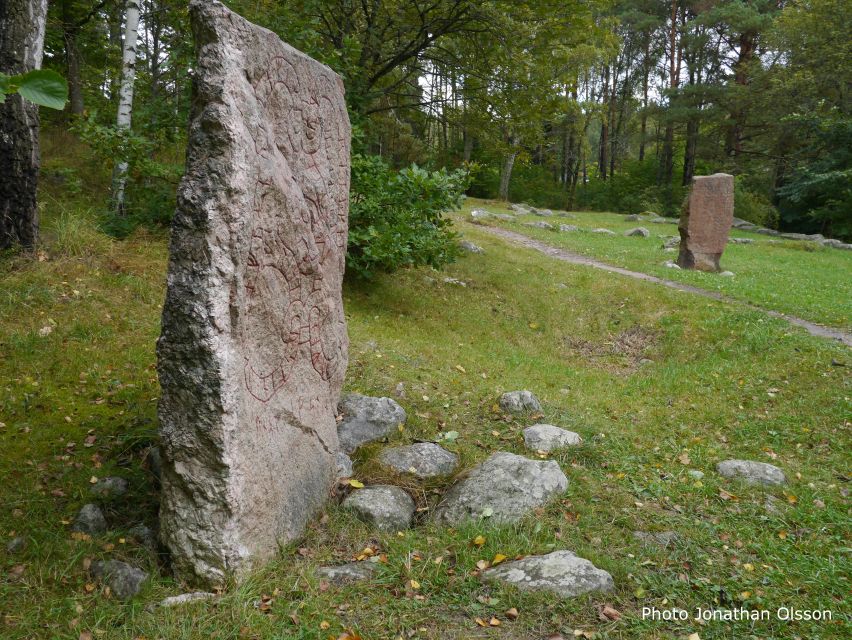
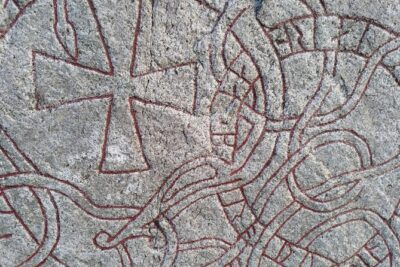
The first major stop is the burial ground of Broby bro, known for the Jarlabanke Runestones in historic Uppland. Burial sites are a strong place to start because they show what mattered to real communities: rank, memory, ancestry, and how people wanted to be remembered.
Here, you’ll hear about Viking burial rites, and you’ll also get stories that link pagan traditions and Christian influence. That is an important angle. Viking Age Sweden wasn’t frozen in time, and this tour treats the era as a period of transition, not a single belief system.
This is also where the tour brings in Estrid, the Viking woman highlighted in the narrative at the burial grounds. Her presence helps you see Viking society as more than just male warriors and trading raids. You get a sense of how women, power, and family connections factored into what got commemorated.
Practical tip: if it’s cold or snowy, this is where your outerwear pays off. You’ll want layers you can move in, because burial sites and walks go together.
Jarlabanke Bridge and the causeway entrance: runes you can read with context
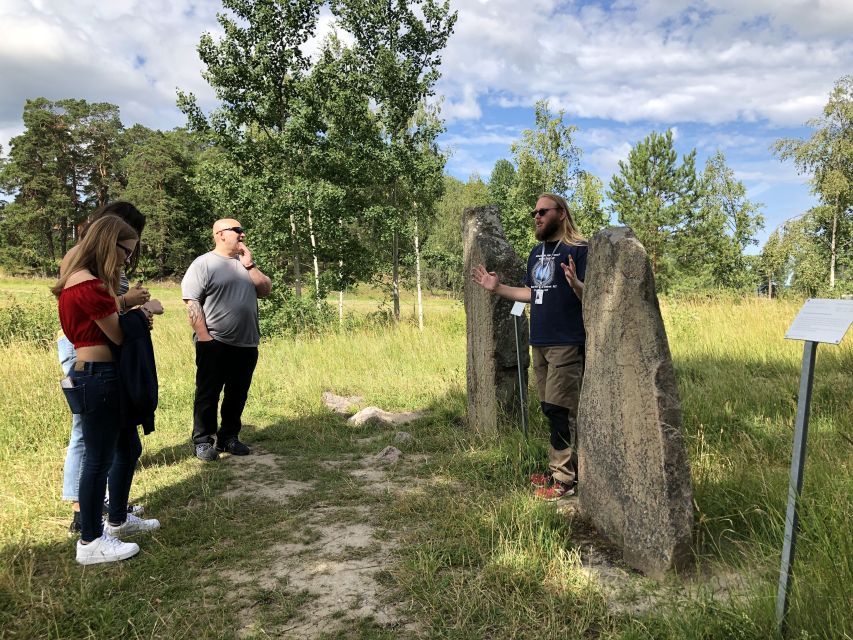
Next, you move to the Jarlabanke Bridge at the entrance to a causeway area. This is one of those stops where the reconstructed Viking bridge and the nearby raised runestones work together. You’ll see what the landscape looked like when the causeway functioned as a way to cross and connect places, and you’ll hear how Vikings built routes that made travel and communication possible.
I like that the tour uses the bridge and runestones to explain engineering and planning, not just artwork. Raised stones are visual markers, but they also reflect how communities organized space. When you connect runes to a roadway, you start to understand how information and identity could be tied to movement and access.
You’ll also get the story of Jarlabanke, the Viking chief and clan figure connected to this region. The point isn’t to memorize a family tree. It’s to understand how local leadership left long-term traces in the land.
If you’re a fan of maps, this stop is especially satisfying. You can almost picture the “why here” logic that made the causeway matter.
Arkils tingstad and the Viking parliament remains: how society may have worked
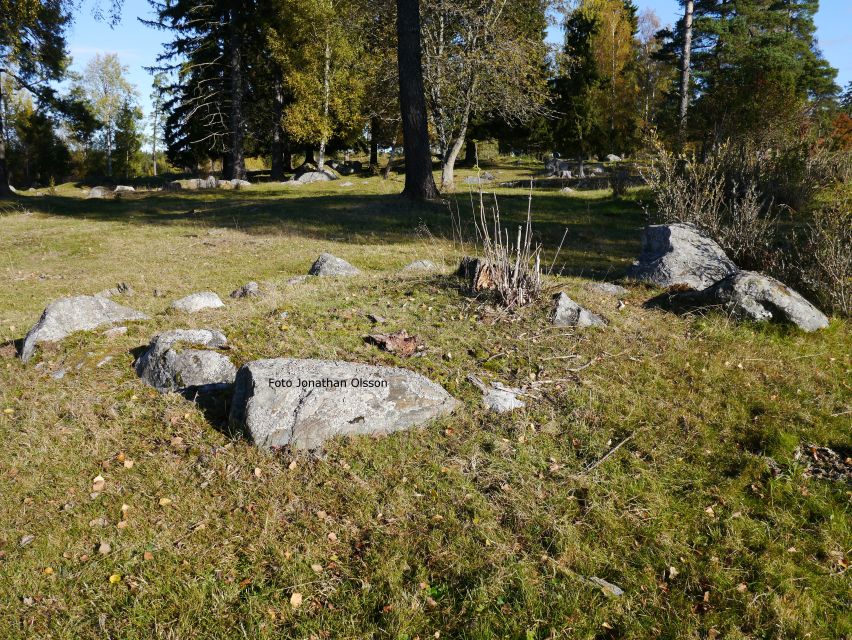
The tour then shifts from sites that communicate status, to a location that hints at decision-making. You’ll visit the remains of a Viking parliament at Arkils tingstad and learn how Viking society was organized.
This is a big theme changer. It’s easy to think Vikings only make headlines for violence or seafaring. A parliament site brings the focus back to governance, negotiation, and community structure. It also helps you understand that power was not just top-down. It was shaped through gatherings and shared authority, at least in how the remains suggest people organized public life.
I appreciate this stop because it gives your Viking knowledge a more complete shape. It turns “Vikings” from a slogan into a functioning society you can recognize as human, complicated, and political.
How pagan and Christian traditions show up in the landscape
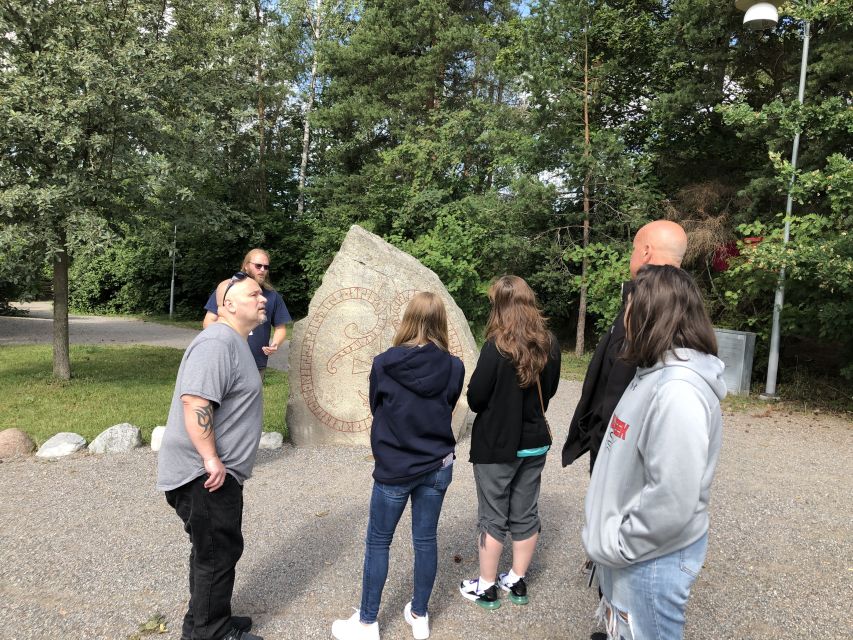
One of the reasons this tour feels stronger than a generic outing is how it handles belief change. In the burial ground and related storytelling, you’ll hear about pagan and Christian traditions side by side. Even if you’re not religious, you’ll likely find the contrast useful because it explains why people commemorated in certain ways, and why some markers survived.
A few recent experiences also point out that the tour can include a churchyard context from later periods, with runic references described as part of the story. That works well for what the guide is doing overall: showing you Viking-era society as it shifted over time rather than as a locked snapshot.
More Viking-age sites near Stockholm:
- Stockholm: The Viking Museum Exhibition and Viking Ride
★ 4.5 · 667 reviews - Entrance ticket to The Viking Museum
★ 4.0 · 301 reviews - Viking History, Runes & Countryside 9h Tour to Sigtuna & Uppsala
★ 4.5 · 283 reviews
The countryside walk: what to expect on timing and weather
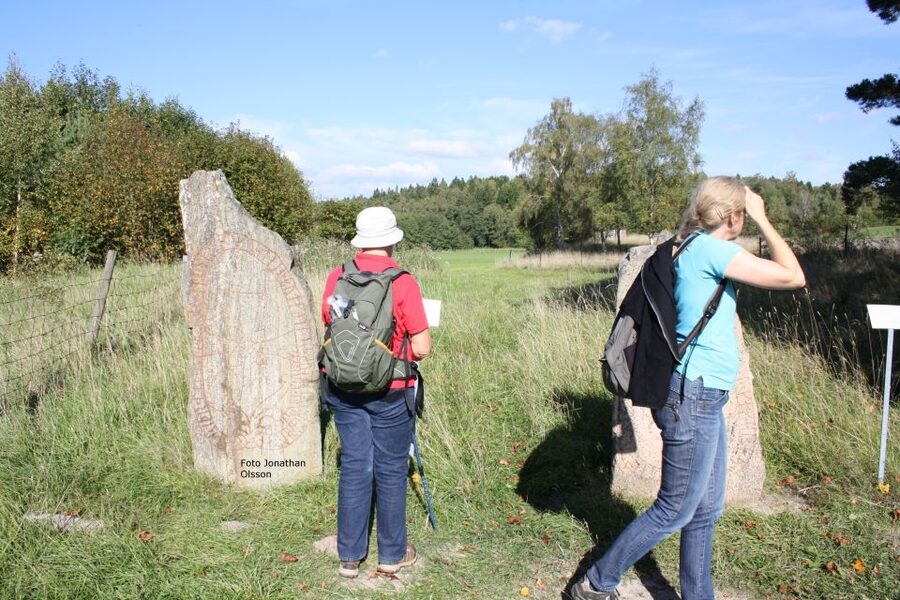
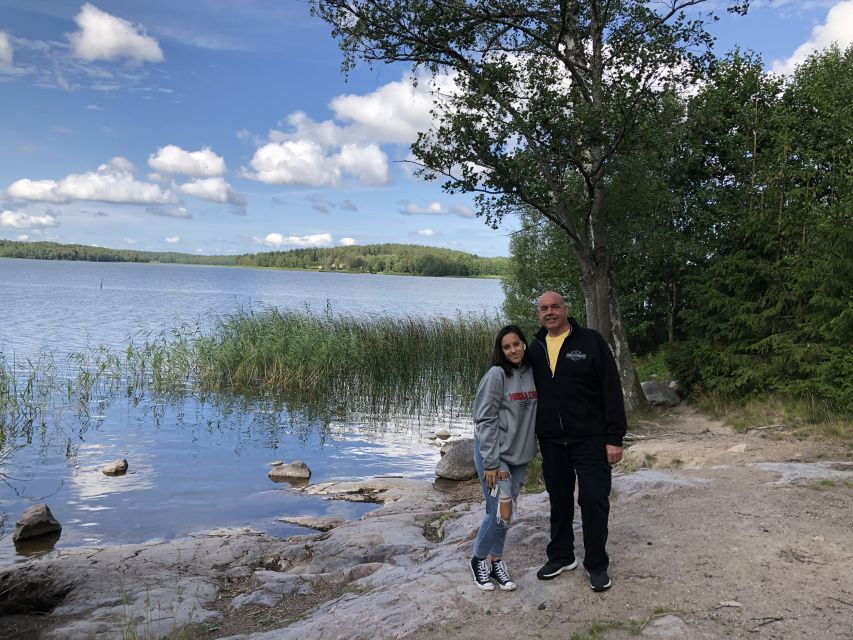
This is a countryside tour, so you’ll be outdoors for parts of it. Reviews include winter conditions, including deep cold like around -10 degrees Celsius, and at least one guest described snow-covered paths and a forest route leading toward a frozen lake. That doesn’t mean every day matches that exact weather, but it does confirm the main point: you should dress for real winter outdoors, not just “cool Stockholm.”
For planning, I suggest you pack:
- Warm layers and a hat you trust
- Gloves you can actually grip with
- Boots with traction if conditions are icy
Also, wear what lets you walk comfortably. The tour is only 3 hours, but the outdoor stops still add up.
Guide style and what you’ll learn, not just what you’ll see
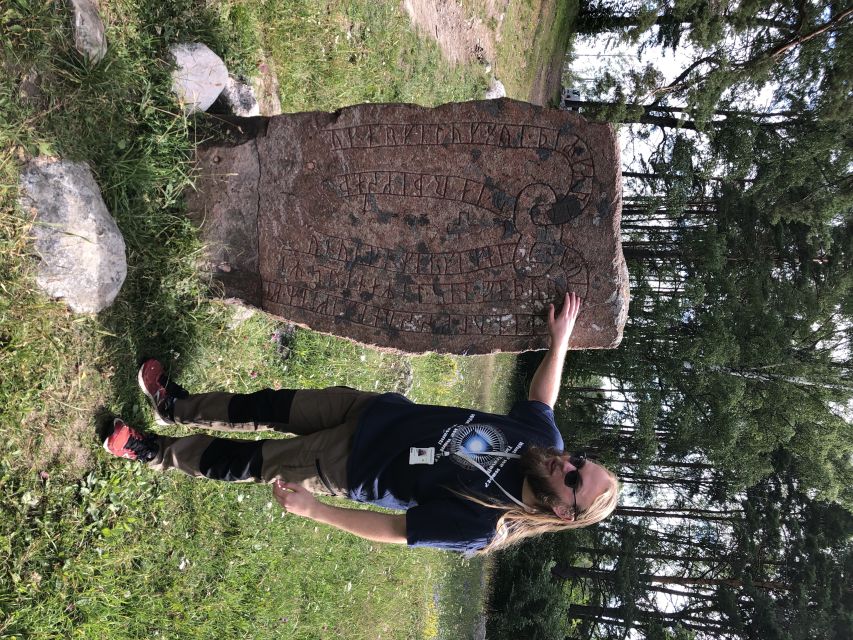
This tour is fact-focused. Several comments highlight that it stays away from film-and-series style fluff and leans into history with real details. I like that approach, because it means you leave feeling you learned something you can repeat, not just something you watched.
The guide is also a key part of the value. Recent feedback specifically names Erik and praises his depth of Norse and Viking Age knowledge. You can expect English explanations that tie runestones, bridge construction, and parliament remains into a single story about how people lived.
And yes, there’s practical kindness too. One guide detail that came up more than once is that you can ask for Swedish food recommendations. Even though food is not included, that kind of local suggestion can help you land the rest of your day well.
Price and value: is $138 for 3 hours worth it?
At about $138 per person for a 3-hour guided experience, this isn’t a “cheap add-on” tour. The value comes from the combination of what’s included: pickup and drop-off within 5 kilometers of Stockholm Central Station, an English-speaking guide, and all costs covered, plus the small-group limit of 16.
For a short stay, you’re paying for access plus interpretation. You’re also paying to go beyond Stockholm’s city center into Uppland, where these runestone sites and historical remains are the whole point. If you tried to DIY it, you’d still need transport and someone to connect the dots, and you’d likely spend more time figuring out what you’re looking at.
Where the price may feel less appealing is if you only want “a quick photo stop.” This tour is structured to explain things while you’re there, so it rewards attention. If you’re the type who likes reading runes and learning what sites were for, this feels like solid value.
Who this Viking Culture and Heritage tour suits best
This tour fits best if you want:
- Viking history tied to named places like Broby bro, Jarlabanke, and Arkils tingstad
- An educational format that stays real, not costume-show style
- A short countryside break from Stockholm that still feels meaningful
It’s also a great match for travelers who like context. If you’re the kind of person who asks why a road or bridge mattered, you’ll enjoy the causeway and bridge portion. If you like social history, the parliament remains will land well.
If you’re traveling with mobility limitations, you should consider that countryside stops and outdoor ground are part of the experience. The duration is short, but it’s not described as an indoor-only tour.
Should you book it: my decision guide for the Stockholm-to-Uppland swap
Book this tour if you want Viking history you can stand on. The runestones, burial ground setting, bridge and causeway area, and the parliament remains give you a layered picture of Viking life, leadership, and community organization. The small-group size keeps it interactive, and the English live guiding makes the sites easier to understand fast.
Skip it if you’re chasing a mostly relaxed, minimal-walking outing, or if you dislike cold-weather field stops. Also, remember that food is not included, so plan your timing for lunch afterward.
If you’re deciding between another city museum day and one countryside hit, I’d choose this for most first-time Stockholm visitors who want Viking culture in context. It’s short, focused, and tied to places with names you can actually carry with you after the tour ends.
FAQ
How long is the Viking Culture and Heritage small group tour?
The tour lasts about 3 hours.
How big is the group?
The group is kept small, with no more than 16 people.
Is pickup included?
Yes, hotel pickup and drop-off are included if your hotel is within 5 kilometers of Stockholm Central Station.
What language is the guide?
The tour includes a live guide in English.
What Viking sites will we see?
You’ll visit Broby bro burial ground with the Jarlabanke Runestones, the Jarlabanke Bridge and causeway area, and the remains of a Viking parliament at Arkils tingstad.
Is food included?
No. Food is not included.
Are there any costs included besides the tour price?
The tour states that all costs are included.
Is the tour only for winter?
The tour is scheduled based on availability and you can check starting times. Conditions depend on the season, and it is an outdoor countryside tour.
Is it free to cancel, and how far in advance?
The tour offers free cancellation up to 24 hours in advance for a full refund.
Can I pay later?
Yes, it’s offered as a reserve now and pay later option, so you can book without paying immediately.
New on the Stockholm pages
- Stockholm Tour + Drottningholm Palace by VIP car PRIVATE Guide★ 5.0 · 1 review
- Discover Stockholm’s Christmas Market Magic with a Local★ 5.0 · 1 review
- Deluxe Stockholm Tour with Vasa Museum from Cruise Port★ 4.0 · 1 review
- First Class Airport Limousine Transfer: Arlanda Airport to Stockholm City★ 5.0 · 1 review
- Stockholm Shore Excursion from Cruise Port★ 5.0 · 1 review
- Stockholm Old Town Walking Tour + Archipelago Cruise★ 5.0 · 1 review
- Stockholm History Walking Tour★ 5.0 · 1 review
History Tours in Stockholm, compared.
The Original Stockholm Ghost Walk and Historical Tour – Gamla Stan
Read our review →
Guided Historic Old Town Walking Tour with Local
Read our review →
Viking History, Runes & Countryside 9h Tour to Sigtuna & Uppsala
Read our review →
Stockholm Archipelago Guided Tour on Historic Ship with Fika
Read our review →
Viking History and Swedish Countryside Tour to Sigtuna & Uppsala
Read our review →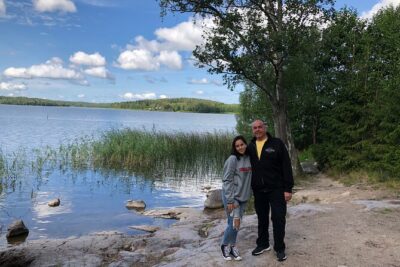
Viking History Small Group Tour from Stockholm: Half Day Including Sigtuna
Read our review →Browse the lists this tour appears in