
Reviewed · ARCHIPELAGO BOAT ESCAPES
Culinary Kayaking Adventure – Saint Anna Archipelago of Sweden
Wild food, then a kayak right after.
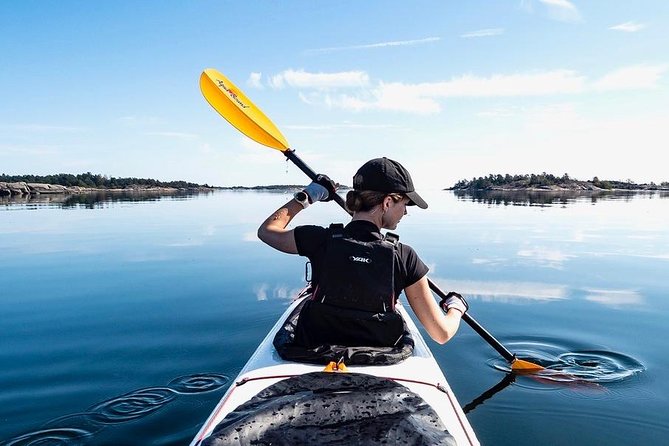
This culinary kayaking adventure turns the Saint Anna archipelago into an outdoor classroom, where you paddle between islands and learn what to gather and cook. I love the foraging focus, from sea meadow greens to rose hips and juniper berries, because it feels both practical and rooted in how people once lived here. One thing to consider: the water days can involve real effort, so you should be ready for a steady paddling rhythm.
I also love the way the trip builds the day around camp. After paddling, you help set up, prep ingredients, and cook over fire with guides like Rob and Helena, which is a big part of why the food tastes better than it has any right to. A possible drawback is gear comfort. One reviewer noted they did not pack warm enough gear, and conditions can turn cold fast when you are on the water and then cooking outside.
If you want a quiet, hands-on trip that mixes nature, teamwork, and seriously good meals, this is a strong fit. The group stays small (max 8), so you get time with your guide and enough space to learn without feeling rushed.
In This Review
- Key highlights worth your attention
- Food on the move in Saint Anna, Sweden
- Getting to Norrköping and starting at 10:00
- Day one in the inner archipelago: sea meadow foraging and campfire cooking
- Day two near Aspöja Gården: bird sanctuaries, a morning dip, and forest foraging
- Day three toward the outer archipelago: salt-resistant islands and the last-night feast
- Day four back to civilization: canal passage, cabins, and Tyrislöts Sommarlanthandel
- Guides who make camp food work, from Rob to Helena to Tomas
- What you eat and learn: foraging ingredients that show up on your plate
- Kayaking skill level and how strenuous it really feels
- Price and value: what $1,954.27 covers over 4 days
- Who this tour suits best
- Should you book Culinary Kayaking Adventure in the Saint Anna Archipelago?
- FAQ
- What time does the tour start?
- Where do you get picked up in Norrköping?
- How long is the experience?
- What group size should I expect?
- Is kayaking beginner-friendly?
- What are the age and weight limits?
- What is included in the price for meals and drinks?
- Can I cancel for a full refund?
Key highlights worth your attention
- Foraging with a purpose, gathering edible greens, herbs, and berries that show up in your meals
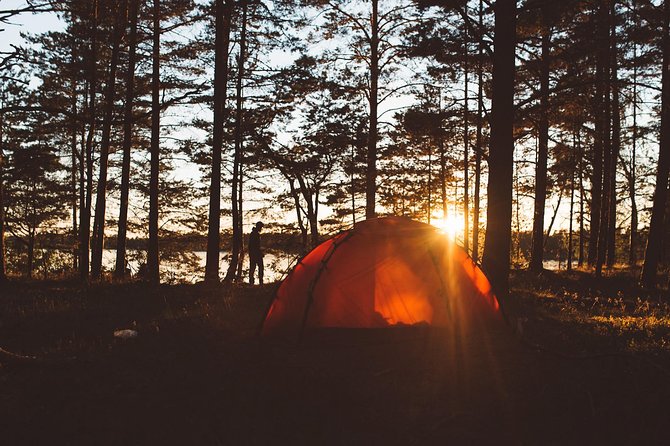
- Real camp life on the islands, including helping with setup and prepping items for the next days
- Guides who teach, including Rob as kayaking guide and chef, plus Helena’s camp kitchen skills
- Bird sanctuaries and wildlife potential, with sea eagles and seal sightings possible
- Outer archipelago solitude and salt-resistant island plants that change the feel of each day
Food on the move in Saint Anna, Sweden
This trip is built for people who like food and also like moving under their own power. You are not just sightseeing, you are paddling through changing parts of the Saint Anna archipelago and then turning what you find into meals. That combo does something special: it makes the scenery feel useful, not just pretty.
I like the clear theme across the days. Morning paddles get you into the islands. Midday stops and camp time help you slow down. Evenings revolve around cooking and preparation, which means you learn by doing, not by watching from a distance.
And the “culinary” part is not vague. You gather actual ingredients like sorrel, orpine, chives, juniper berries, oregano, and ground-ivy. You also spend time looking at habitats such as sea meadows and salt-resistant plant zones. That’s the sort of detail you can use later at home, even if you are not camping on an island.
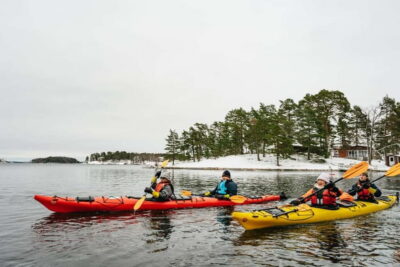
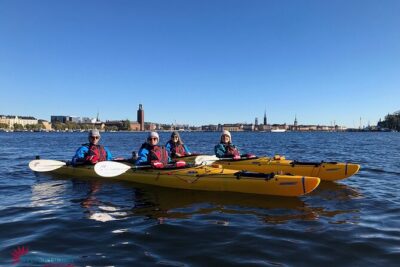
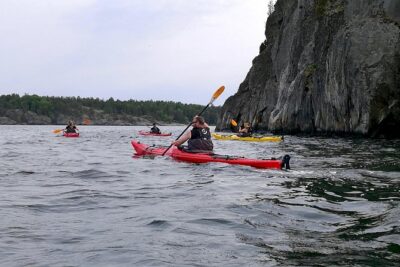
More paddling out through the archipelago:
Getting to Norrköping and starting at 10:00
Your base point is Norrköping, a major hub in the region. Pickup happens at 10:00 am, either at the train station or at a hotel or hostel of your choice in Norrköping. If you are flying in, it makes sense to arrive the night before, since Norrköping is described as having a great mix of restaurants and waterfront atmosphere.
From there, you get private support. The tour includes hotel pickup and drop-off plus round-trip private transfer, so you are not doing the awkward part of travel planning with maps and time tables while also trying to enjoy the start of your holiday.
If you are coming via Stockholm airports, the transfer time depends on which airport you use. Stockholm Skavsta (NYO) is listed as about 55 minutes from Norrköping by shuttle. Stockholm Arlanda is about 2 hours by direct train. This matters because a smooth arrival means you can focus on your gear and your meals, not on getting stressed about schedules.
Day one in the inner archipelago: sea meadow foraging and campfire cooking
Day one starts in the inner archipelago, where big forested islands and older wooden houses give you that time-worn Nordic feel. After a short paddle, you pause for lunch by a sea meadow, one of Saint Anna’s more distinctive habitats. This is not just a pretty break. You learn how salt-resistant plants grow at the edge of the sea, and you even forage edible greens plus rose hips, hawthorne, and barberries.
What I like here is the pacing. You get movement first, then a guided stop where the ingredients make sense in context. You also hear about wild food tied to how the islands were used in the past. That turns foraging into a story, not a scavenger hunt.
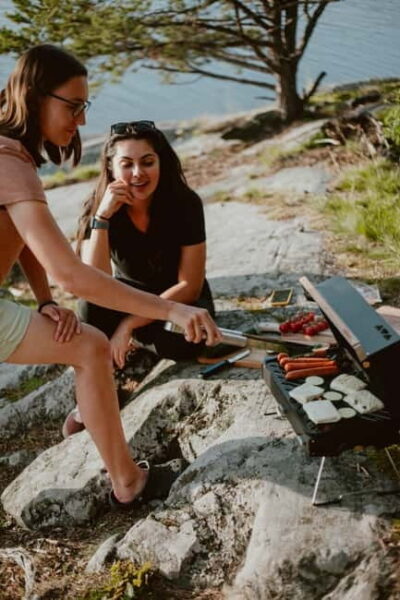
Later, you paddle through a maze of islands, and you reach camp in the late afternoon. This is where the trip’s rhythm really locks in. Your culinary guide is already preparing for the evening and the next day, and you help with cooking and with getting ingredients ready ahead of time. On day one, the list includes sorrel, orpine, chives, and juniper berries, which sets you up for some truly Swedish-feeling flavors.
One practical detail: this is a night where you cook as a group. You are not eating and leaving. You are learning the workflow, and that makes the rest of the trip easier.
Day two near Aspöja Gården: bird sanctuaries, a morning dip, and forest foraging
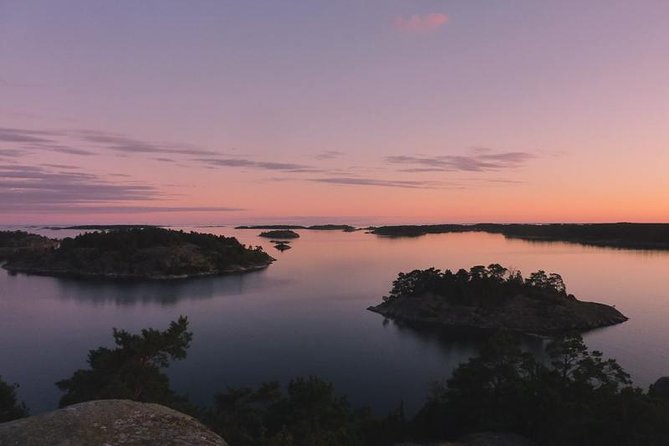
Day two begins gently. When you wake up, the sea might be mirror calm, with sky reflected on the water. If conditions are right, you start with a refreshing morning dip. That moment matters because it changes how you read the environment. You go from camping sleep to feeling the water and weather firsthand.
After breakfast, you paddle through bird sanctuaries, small island clusters where bird life is plentiful. The chance of seeing sea eagles is explicitly mentioned, and seals are possible too. This is not guaranteed wildlife watching, but it does give the day a natural focus beyond “just keep paddling.”
As you move toward the middle part of the archipelago, the islands get smaller and more plentiful. Then you switch habitats for camp. You aim for the next site in early afternoon, surrounded by deciduous forest, open glades, and grazing animals. This is where your foraging list shifts again, with a chance to look for mushrooms and berries, plus picking wild herbs for dinner such as oregano and ground-ivy.
I like how the trip keeps changing what you look for. It prevents foraging from feeling like one repeatable trick. Instead, you learn to notice differences between sea-edge meadows, forest edges, and more outer, harsher island conditions.
Day three toward the outer archipelago: salt-resistant islands and the last-night feast
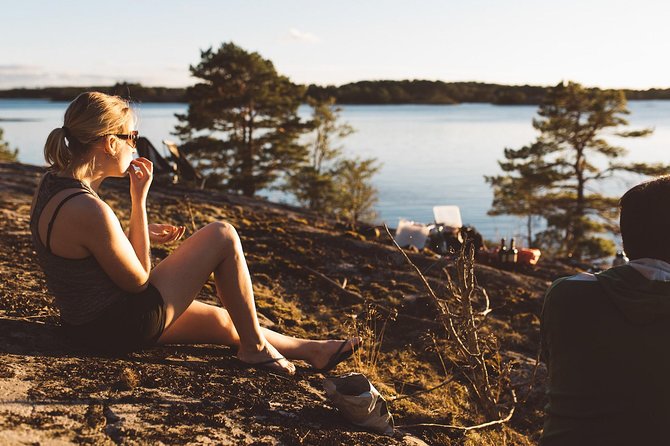
Day three is the “outer archipelago” day, assuming weather allows. The scenery becomes harsher and more exposed. You can end up among hundreds of tiny barren islands with wind-pined trees and unique flora of salt-resistant plants. The big change is how solitude feels out there: fewer features, wider views, and less sense of human presence.
This day is described as involving a more strenuous paddle. So if you have never done multi-hour kayaking, this is the moment where you will feel the effort most. The upside is that the hard paddling is followed by a payoff. You paddle back to camp by late afternoon.
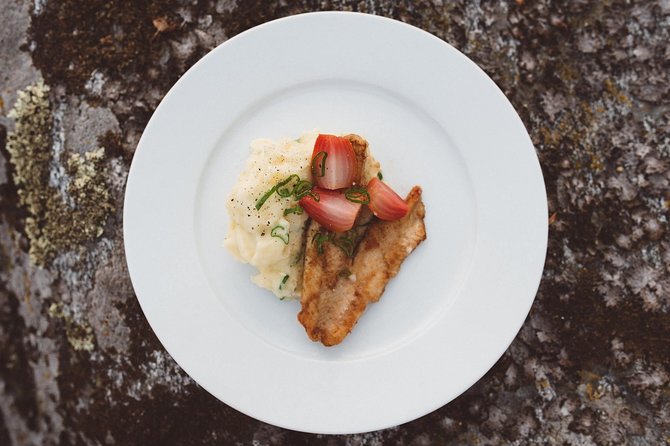
Then the day turns into food mode. A local fisherman arrives with his catch of the day, and you cook a proper feast for the last night in the archipelago. You also invite the rest of the Do the North crew to join, which turns your final dinner into a small celebration of what you built together.
This is also the day where you see why the earlier prep mattered. When you have been collecting herbs and berries, and you have cooked together at camp, the final meal feels like a culmination rather than a one-off event.
More island runs from Sweden:
- Stockholm: City Archipelago Sightseeing Cruise with Guide
★ 4.3 · 10,798 reviews - Stockholm: Archipelago Boat Tour
★ 4.4 · 3,110 reviews - Stockholm Archipelago Cruise with Guide
★ 4.0 · 1,125 reviews
Day four back to civilization: canal passage, cabins, and Tyrislöts Sommarlanthandel
On the last morning, you pack up camp and eat a hardy breakfast. Then you paddle toward a different mainland site than where you started, passing more bird sanctuaries as you near the end of your exploration.
The most dramatic moment on day four is the canal passage. You move through a narrow channel from the wilderness maze, and suddenly civilization appears in a bay filled with little cabins and old houses. That contrast is a great way to land the trip: you feel the scale of the archipelago, then you see what it looks like when people cluster close to shore.
Your final stop is Tyrislöts Sommarlanthandel, where the trip closes. It is a fitting end point because it signals a return to food and daily life after days of cooking outside and relying on what the islands provide.
You leave with more than memories. The whole trip nudges you to rethink cooking as an active process tied to seasons, weather, and what grows nearby.
Guides who make camp food work, from Rob to Helena to Tomas
This tour relies on a small team, and the guide chemistry shows. Rob is described as both kayaking guide and chef, and one review also calls him a whittling tutor. That matters if you like learning practical outdoor skills, because it means the knowledge is not limited to the stove.
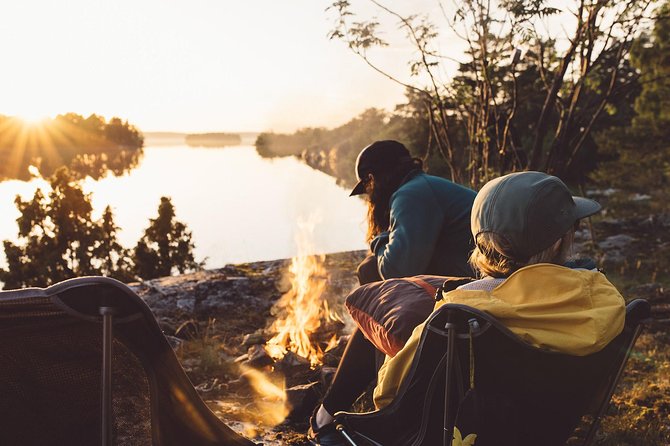
Helena is repeatedly credited for culinary expertise and for making impressive meals over a fire, even when it rains for a long stretch. She also teaches and puts you to work, which turns the camp kitchen into a shared project instead of a show.
You may also work with other guides such as Tomas or Thomas, both mentioned in different contexts as wilderness guide. One review also notes that when a traveler hurt their wrist, the guide fashioned a splint out of birch and arranged a water taxi at the right time. That kind of care is not something you plan for, but it gives you confidence in how the group handles real-world situations.
The best part is that reviews describe a laid-back vibe with a clear structure: set up camp, forage, cook, and support each other.
What you eat and learn: foraging ingredients that show up on your plate
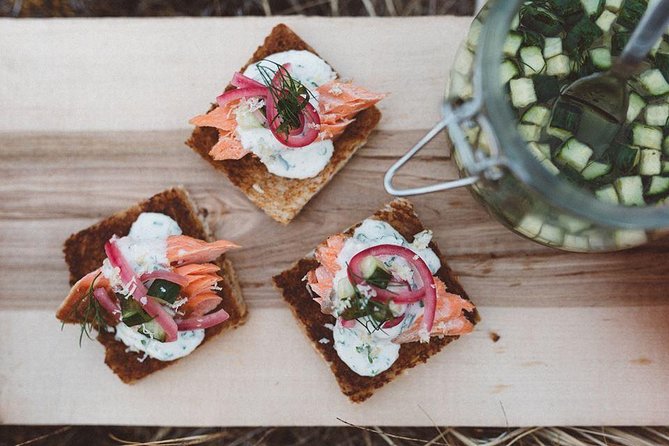
The meal plan is one of the strongest reasons to choose this specific trip, not a generic kayaking tour. You get breakfast (3), lunch (3), and dinner (3), plus coffee and alcoholic beverages are included.
And the food is not just Swedish comfort. You learn ingredients tied to specific island conditions:
- Sea meadow plants plus rose hips, hawthorne, and barberries
- Foraged herbs like sorrel, orpine, chives, and juniper berries
- Dinner herbs such as oregano and ground-ivy
- The chance to forage mushrooms and berries in deciduous forest areas
I love that you are not handed a menu and told to enjoy. You get a reason to care about each ingredient, because it connects to a habitat you just paddled through. That makes your future cooking experiments more meaningful.
You also help cook as a group. Reviews mention that campers cooked jams and pickles from harvested plants. Even if your specific hands-on tasks vary by day, you should expect real participation. You are helping create the meal, then eating it while surrounded by water and dark sky.
Kayaking skill level and how strenuous it really feels
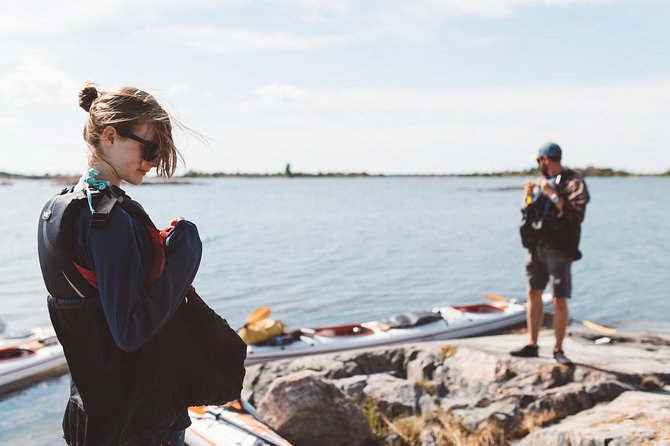
Good news first: kayaking beginners are welcome, as long as you have a genuine interest in cooking. Most people can participate, and the group size is kept small with a maximum of 8 travelers, which makes it easier for guides to keep an eye on everyone.
That said, day three is described as strenuous. If you get tired easily with repeated paddling, you will want to treat this as an active trip, not a casual paddle-and-postcard vacation. It is still camping and cooking outdoors, so you should be prepared for physical effort plus cold, wet, or windy conditions.
Weight limit is listed as max 120 kg. Age limit is minimum 18 years. If you fall into those ranges, you are within the tour’s stated guidelines.
One more practical point: gear warmth matters. One review specifically called out help from the guide because they did not pack warm enough gear. So plan to bring layers you can trust, especially if you get wet or spend extra time outside.
Price and value: what $1,954.27 covers over 4 days
At $1,954.27 per person for about 4 days, this is not a budget-friendly weekend. But it is also not just “kayak rental plus meals.”
Your price includes:
- Driver/guide and local guide
- Hotel pickup and drop-off, plus round-trip private transfer
- Coffee or tea
- Alcoholic beverages
- Three breakfasts, three lunches, and three dinners
- Dinner and lunch are included in the package count, not add-ons
When you break it down, the value comes from three things:
- Guiding and teaching (not just navigation)
- A full food program with foraged ingredients
- Private logistics support so you spend less time figuring out transport and more time actually doing the trip
What is not included is flights and airport transfers. You will still need to handle getting yourself to the region. But once you arrive, the trip handles the rest.
If you want kayaking plus meaningful cooking skills, the price starts to make more sense. If you only want a scenic paddle and a basic meal, you might decide something else fits better.
Who this tour suits best
This trip is ideal if you:
- Love food and want to learn to cook with wild ingredients
- Enjoy kayaking but do not need a full-on technical expedition
- Like small groups and hands-on camp work
- Want nature that connects to real tasks, foraging and cooking, not just photos
It is also a strong match for people who want a structured adventure without micro-managing every minute. Camp is the base. Then you head out for paddling around the archipelago.
If you dislike outdoors cooking, or if you want everything done for you, then this may not feel right. The whole concept is teamwork.
Should you book Culinary Kayaking Adventure in the Saint Anna Archipelago?
Yes, if you want kayaking that ends with memorable meals you helped make. The repeated focus on foraging and wild cooking is what makes this stand out, and the guide team names like Rob and Helena show up again and again with praise for real instruction and real camp food.
Before you book, consider two practical things. One, the paddling can be strenuous on day three, so be honest about your fitness and comfort on longer water sessions. Two, plan for cold and wet conditions by bringing warm layers you trust.
If that fits your style, this is a rare kind of trip where the food lesson is the point, not an extra.
FAQ
What time does the tour start?
The start time is 10:00 am.
Where do you get picked up in Norrköping?
You are picked up at 10:00 in Norrköping, either at the train station or at a hotel or hostel of your choice.
How long is the experience?
It runs for 4 days (approximately).
What group size should I expect?
The tour has a maximum of 8 travelers.
Is kayaking beginner-friendly?
Yes. Kayaking beginners are welcome, as long as you have a genuine interest in cooking.
What are the age and weight limits?
Minimum age is 18 years, and the maximum weight is 120 kg.
What is included in the price for meals and drinks?
You get coffee and/or tea, alcoholic beverages, and meals including dinner (3), lunch (3), and breakfast (3).
Can I cancel for a full refund?
Yes. You can cancel up to 24 hours in advance for a full refund. If you cancel less than 24 hours before the start time, the amount paid will not be refunded.
Kayak Time near Sweden
- Stockholm: Guided Kayak City Tour & Optional Midsummer Meal
★ 4.6 · 170 reviews - Stockholm: Winter Kayaking, Swedish Fika and hot Sauna Experience
★ 5.0 · 156 reviews - Stockholm: 2-Hour Guided Kayak Tour in City Center
★ 4.7 · 137 reviews - Stockholm Archipelago Tour by Kayak
★ 5.0 · 99 reviews
New on the Sweden pages
- Discover Stockholm’s Christmas Market Magic with a Local★ 5.0 · 1 review
- Stockholm Tour + Drottningholm Palace by VIP car PRIVATE Guide★ 5.0 · 1 review
- Deluxe Stockholm Tour with Vasa Museum from Cruise Port★ 4.0 · 1 review
- First Class Airport Limousine Transfer: Arlanda Airport to Stockholm City★ 5.0 · 1 review
- Grebbestad: boat tour private★ 5.0 · 1 review
- Self-guided Food Tour in Malmö★ 3.0 · 1 review
- Malmo: Insta-Perfect Walk with a Local★ 5.0 · 1 review
Archipelago Boat Escapes, compared.
City Archipelago Sightseeing Cruise with Guide
Read our review →
1-Day Small-Group Stockholm Archipelago Kayak Tour
Read our review →Browse the lists this tour appears in