
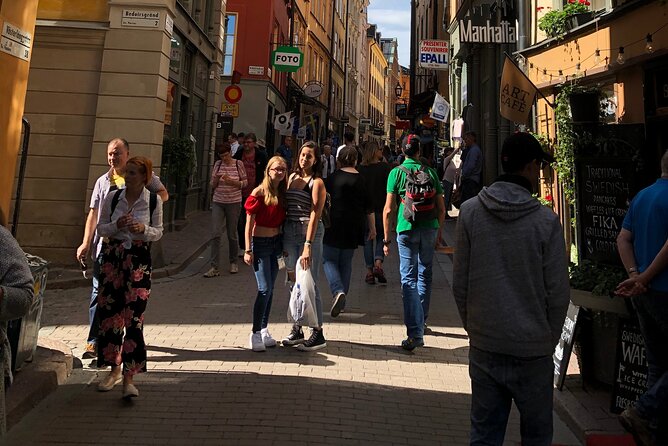
Reviewed · GHOST & FOLKLORE NIGHTS
Bloody Stockholm 2h – ghosts, horror and Dark Folklore Tour
Dark stories in bright Stockholm? Yes. You get a guided walk through Old Town that mixes dark folklore with street-level history, from executions to protective household myths. Two things I really like are how the guide ties scary ideas to specific street corners, and how the tone stays curious and human, not movie-scary.
I also like that it is not just random ghost tales. You learn why iron, doors, and baptism mattered in traditional beliefs, and you hear about water vaesen like Näcken in a way that makes you look at the city differently. One possible drawback: it is still an outdoor walking tour, so wind, rain, or cold can make the experience less comfortable.
In This Review
- Key things to know before you go
- How Bloody Stockholm moves through Old Town in about 1.5 hours
- Stortorget: executions, blood curses, and why folklore got so specific
- Prästgatan’s Hell past: a street name that carries a warning
- Old Town door magic: iron wards, vaesen, Tomte, and baptism protection
- Logårdstrappan and water spirits: Näcken, bäckahästen, Sjörå, and skepps-rå
- Kungsträdgården to S:t Jacobs Kyrka: Myrling, huldran, exorcism, and church-door fears
- Who this dark folklore walk suits best
- Make it worth your time: questions to ask and how to pace yourself
- Should you book Bloody Stockholm 2h?
- FAQ
- How long is the Bloody Stockholm tour?
- Is the tour in English?
- Where do I meet the guide, and where does the tour end?
- Do I need an admission ticket for the stops?
- Is a mobile ticket used?
- Can I get a full refund if I cancel?
Key things to know before you go
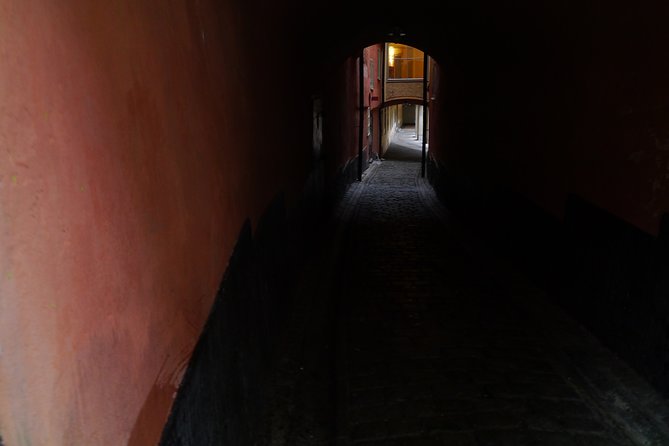
It is more folklore walk than jump-scare ghost tour, with real-world history mixed in.
Stortorget is the big opener, with stories tied to executions and beliefs about cursed body parts.
Door protection themes show up more than once, including iron as a ward against vaesen.
Water spirits are a highlight, featuring Näcken and related creatures from Swedish folklore.
The ending circles S:t Jacobs Kyrka, focusing on church doors, weak points, and baptism protection.
English guided walk with a guide who welcomes questions, with examples like Jonathan and Åsa mentioned by guests.
How Bloody Stockholm moves through Old Town in about 1.5 hours
This is a tight, evening-friendly route through the historic core. Expect a steady walking pace along narrow streets and small squares, with short stops where the guide points out details and explains the darker ideas behind them. The total time is around 1.5 hours, even though the tour name hints at 2 hours, so plan for a compact evening slot.
The good news is the tour format keeps you from getting stuck in long lectures. Each area has a theme, so the story stays moving. And since the content focuses on death, curses, protective symbols, and feared creatures, it works well as an add-on if you already plan to see Gamla Stan anyway.
Group size matters here because the tour is talk-heavy. The maximum group size is 30, so you will usually hear the guide well. One family experience also suggested that very small groups can happen, which is great if you like asking follow-ups.
More folklore walks after dark in Stockholm:
Stortorget: executions, blood curses, and why folklore got so specific
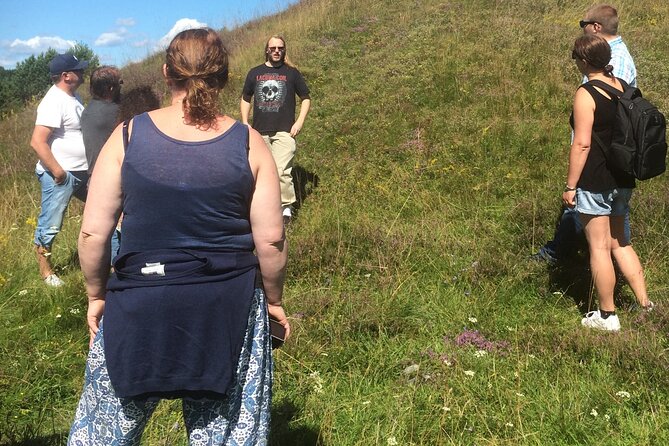
Your walk kicks off near the Nobel Prize Museum on Stortorget 2. This square gives the tour a strong anchor, because it is where public power and public punishment became part of everyday memory. Here, the guide talks about the executions carried out when the Danish king Kristian took Stockholm, including the grim scale of around 90 souls.
What makes this stop more than just a history lesson is the bridge to folklore. You hear about beliefs that treated the blood of the dead as usable for curses. You also hear how parts of the dead, including gallow-related elements, were imagined as ingredients in tales and rituals. Even if you do not buy into the folklore, it is useful to understand the logic: when people fear death, they also try to control it, explain it, and make it mean something.
If you like story-based learning, this is a highlight. The guide ties the dark past to the physical city you are walking in right now. That is how Stockholm starts to feel less like a postcard and more like a lived-in place with memories.
Prästgatan’s Hell past: a street name that carries a warning
From Stortorget you move toward Prästgatan, a street that used to be called something closer to Hell. The tour keeps this stop short, around 10 minutes, but the point is clear: names and street lore can act like cultural shortcuts. Even today, a street label can hint at what people once feared or respected.
This stop is also a nice reset. After the harsh opening, the tour shifts from execution-era events to the everyday mythology people attached to where they lived and walked. It is a reminder that folklore is not only about monsters. It is about geography, too, and the idea that certain places carry risk.
If you are the type who likes to connect maps to stories, you will enjoy this. You will start noticing how old city layouts create natural stages for superstition.
Old Town door magic: iron wards, vaesen, Tomte, and baptism protection
In the Old Town section, the tour centers on the idea that you protect yourself at thresholds. You hear about using iron to guard against vaesen, including fears connected to mist and restless souls that did not get rest. The guide also brings in the Swedish Tomte, grounding the conversation in a broader range of local beings, not just the scary ones.
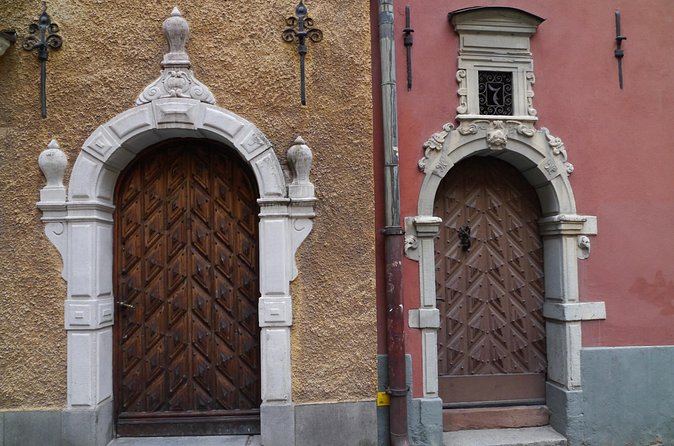
The door theme keeps getting practical in a folklore way. You learn that the doorway mattered because it was a boundary between inside safety and outside danger. You also hear about newborn protection before baptism, because in traditional belief that early period left someone more exposed to trolls and the Devil. It is unsettling, but it also explains why people would treat certain symbols and rites as urgent.
You can make this part more rewarding by looking around as you walk. Old Town doorways, ironwork, and entry details are everywhere, and the tour’s structure nudges you to notice them. When a guide points out a concept like door protection, it turns normal sightseeing into something you can actually interpret.
Logårdstrappan and water spirits: Näcken, bäckahästen, Sjörå, and skepps-rå
Then comes one of the most fun segments, because water folklore is vivid and strangely specific. At Logårdstrappan you hear about vaesen connected to water and how they tried to drown people and lure them into the deep.
The guide covers Näcken and the bäckahästen, the Swedish version of Kelpie, along with Sjörå and skepps-rå. Each name points to a different flavor of fear, but they share a theme. The danger is not a vague monster in the distance, it is something tied to sound, movement, and getting pulled off balance.
This is also where the tour earns its darker title without needing cheap theatrics. The stories give you sensory clues you can remember: water as a trap, mist as a veil, sound as a call. Even after the walk, you can recall how those ideas were meant to keep people cautious.
If you love mythology, this portion is a keeper. If you do not, it still works because the guide uses the folklore to explain how people once talked about risk in their daily environment.
A few more Stockholm outings to weigh up
- Stockholm: ABBA The Museum Entrance Ticket
★ 4.7 · 11,280 reviews - Stockholm: City Archipelago Sightseeing Cruise with Guide
★ 4.3 · 10,798 reviews - Stockholm: Skansen Open-Air Museum Admission Ticket
★ 4.5 · 3,427 reviews
Kungsträdgården to S:t Jacobs Kyrka: Myrling, huldran, exorcism, and church-door fears
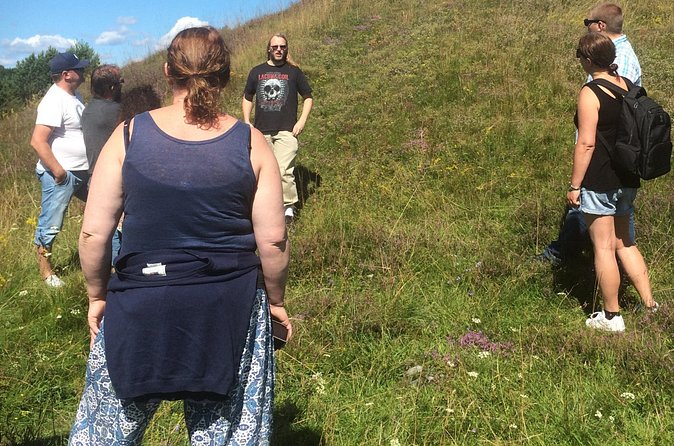
As you head toward Kungsträdgården, the tour expands to other vaesen types, including Skogsrået, also tied to the idea of huldran. You also hear about the undead living child called Myrling, which adds a heavy emotional tone. At this point the tour feels like it is building a full map of fears: home, water, forest, and then places of worship.
The ending near S:t Jacobs Kyrka is especially interesting because it focuses on church door beliefs and the idea that even sacred buildings had weak points. The guide discusses the church door concept, exorcism of a child at baptism, and what one might do when facing a worst enemy to punish.
This is not a horror walkthrough. It is more like learning the old vocabulary people used to handle fear and wrongdoing. The fact that the tour ends outside, not inside, also makes it practical. You get the narrative without turning it into a stop-and-start ticket hunt.
Once you finish, the tour ends just outside Old Town on the north side beside Kungsträdgården. From there, it is about a 10-minute walk back to the start area, which is handy if you plan dinner nearby.
Who this dark folklore walk suits best
This tour fits best if you enjoy one or both of these styles:
- Dark history with a human voice, where executions and punishment are handled as real events tied to the city’s memory.
- Folklore that explains behavior, like why doors, iron, and baptism mattered for protection.
It is also a solid choice for families who want something more intellectual than scary. One family account highlighted how a 10-year-old found it exciting, interesting, and educational, which tells me the guide can scale the tone without stripping away the facts.
If you hate heavy topics, this might feel intense. The stories include death, murder, and execution-era details. The upside is the guide keeps it organized and conversational, so you are not stuck in a bleak mood for hours.
Make it worth your time: questions to ask and how to pace yourself
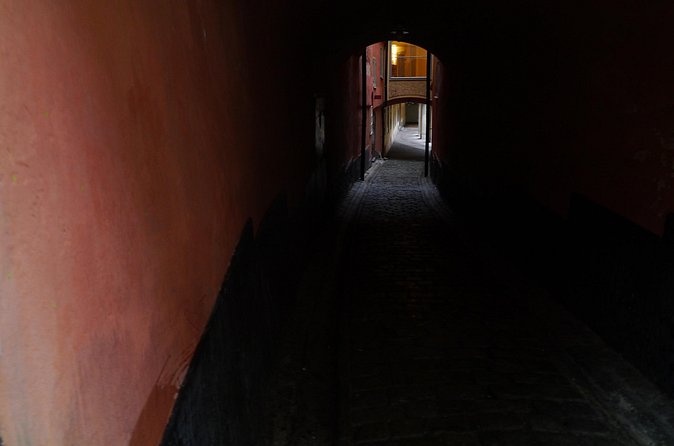
Walking tours live or die on engagement. If you like learning, come ready with questions. The guides are described as open to questions and humor-friendly, so you will likely get good answers instead of generic lines.
Here are a few question angles that match what the tour covers:
- Ask why iron shows up as protection in so many places in Scandinavian belief.
- Ask how the tour connects execution history to later folklore ideas about blood and curses.
- Ask which creatures are tied to water versus mist or forest, so you can keep the “map of fears” straight in your head.
Also, treat weather like part of the itinerary. It is a walking loop in a historic district with outdoor stops, so dress like you plan to be outside the whole time. If it is windy or rainy, you will feel it.
If your schedule is tight, this works well as an evening activity because it does not demand museum-level time blocks. And since it ends near Kungsträdgården, it sets you up for a relaxed walk afterward instead of a long return trip.
Should you book Bloody Stockholm 2h?
Book it if you want Stockholm in a different key. You get a compact 1.5-hour guided stroll that blends grim city history with folklore beliefs you can actually spot in the streets, like doors, iron wards, and water spirits.
Pass, or at least adjust expectations, if you want only light sightseeing or a purely spooky ghost experience. This is not built as a scare-fest. It is built as a dark storytelling walk with strong cultural context, and the content can be heavy.
If you come curious, bring comfy shoes, and plan to look at doorways and street corners like they have hidden meaning, this tour is an excellent use of an evening in Gamla Stan.
FAQ
How long is the Bloody Stockholm tour?
The tour runs about 1 hour 30 minutes (approximately).
Is the tour in English?
Yes, it is offered in English.
Where do I meet the guide, and where does the tour end?
You start at Nobel Prize Museum, Stortorget 2, 103 16 Stockholm. The tour ends outside Saint Jacob’s Church at Västra Trädgårdsgatan 2A, 111 53 Stockholm, near Kungsträdgården.
Do I need an admission ticket for the stops?
The stops listed are marked as admission ticket free.
Is a mobile ticket used?
Yes, the tour includes a mobile ticket.
Can I get a full refund if I cancel?
Yes. You can cancel up to 24 hours in advance for a full refund. If you cancel within 24 hours of the start time, the amount you paid is not refunded.
New on the Stockholm pages
- Stockholm Tour + Drottningholm Palace by VIP car PRIVATE Guide★ 5.0 · 1 review
- Discover Stockholm’s Christmas Market Magic with a Local★ 5.0 · 1 review
- Deluxe Stockholm Tour with Vasa Museum from Cruise Port★ 4.0 · 1 review
- First Class Airport Limousine Transfer: Arlanda Airport to Stockholm City★ 5.0 · 1 review
- Stockholm Shore Excursion from Cruise Port★ 5.0 · 1 review
- Stockholm Old Town Walking Tour + Archipelago Cruise★ 5.0 · 1 review
- Stockholm History Walking Tour★ 5.0 · 1 review
Ghost & Folklore Nights, compared.
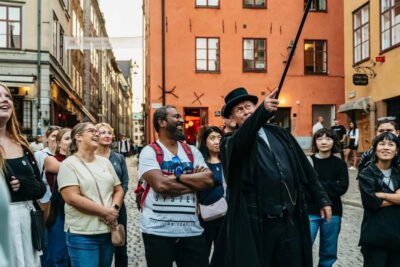
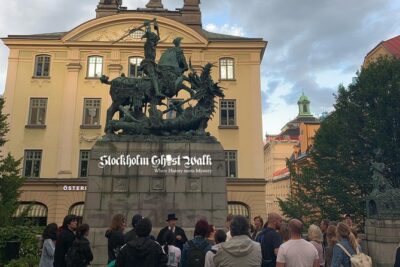
The Original Stockholm Ghost Walk and Historical Tour – Gamla Stan
Read our review →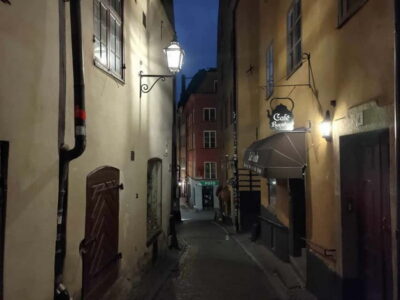
Bloody Stockholm: ghosts, horror and dark folklore 2h
Read our review →
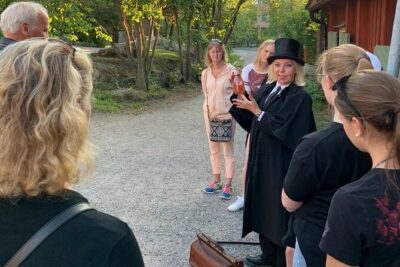
The Original Stockholm Ghost Walk and Historical Tour – Södermalm
Read our review →
Ghosts of Stockholm: A Guided Tour of Horror and Dark Folklore
Read our review →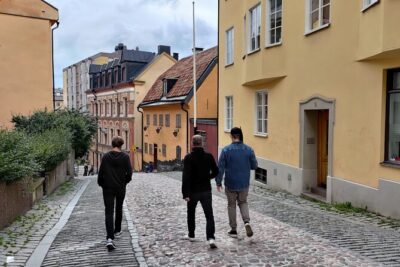
Private blood, ghosts and folklore Old Town 2h Stockholm tour
Read our review →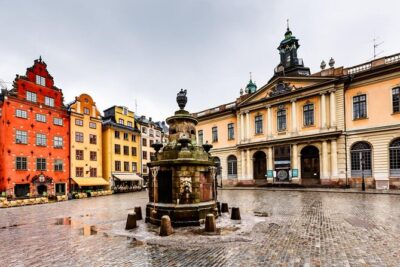
Stockholm Ghost Hunt: Self-Guided Tour and Puzzle Adventure
Read our review →Browse the lists this tour appears in